Most homeowners view their gutters as a secondary feature—something meant to keep water from dripping on their heads as they walk through the front door. However, your gutter system is actually a critical component of your roofing architecture, serving as the primary drainage highway for the thousands of gallons of water that fall on your home each year. When this system fails due to clogs, cracks, or improper alignment, the consequences aren’t just limited to your landscaping. The damage often travels upward, compromising the very roof meant to protect you.
Understanding the relationship between your drainage system and your shingles is essential for any long-term maintenance plan. If water cannot exit your roofline efficiently, it will find a place to settle, and standing water is the ultimate enemy of structural integrity. Healthy gutters are important for maintaining a healthy roof for several reasons:
Proper Drainage: Gutters collect rainwater and direct it away from the roof and the foundation of the house. If gutters are clogged or damaged, water can overflow onto the roof, leading to water damage, leaks, and potential structural issues. Effective drainage prevents soil erosion around your foundation, which protects your home from basement flooding and settling cracks.
If gutters are leaking and causing water damage to the roof, it’s essential to address the issue promptly to prevent further damage. Here are steps you can take:
- Inspect and Identify the Source of the Leak: Determine where the leak is occurring along the gutter system. Check for areas of damage, such as holes, cracks, or disconnected seams, as well as any debris blocking the flow of water.
- Clean Gutters: Remove any debris, leaves, twigs, or other obstructions from the gutters and downspouts. Use a gutter scoop, garden hose, or pressure washer to clean out the gutters thoroughly.
- Repair Leaks: Depending on the extent of the damage, you may need to patch holes or cracks in the gutter using a waterproof sealant or gutter patch kit. For more significant damage, you may need to replace sections of the gutter or repair/reseal seams.
- Check and Adjust Slope: Ensure that the gutters have the correct slope to allow water to flow toward the downspouts. Adjust the gutter hangers or brackets as needed to maintain proper slope and alignment.
- Replace Damaged Components: If the gutters or downspouts are severely damaged and cannot be effectively repaired, consider replacing them with new ones.
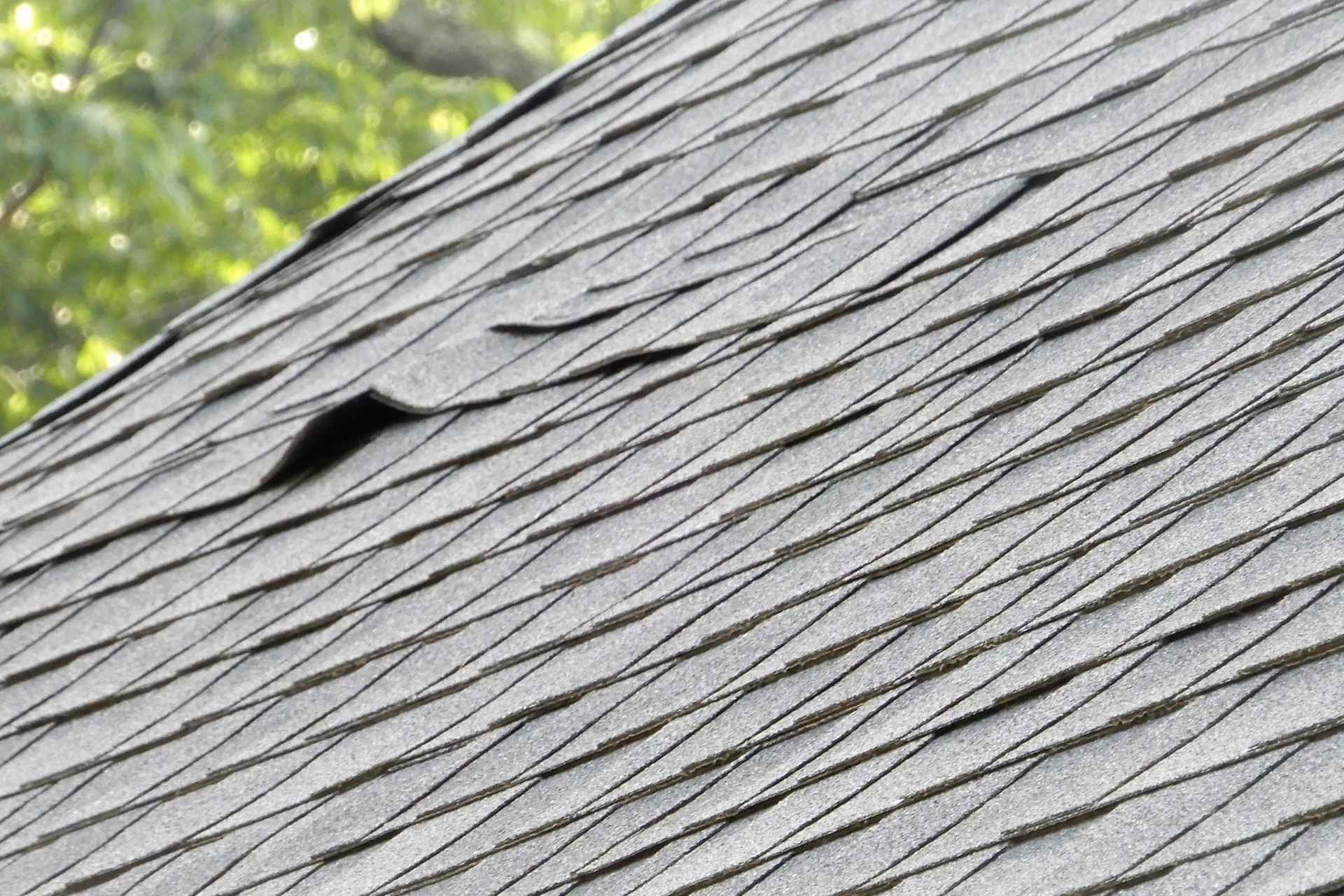
- Inspect Roof for Damage: Once the gutter leaks are repaired, inspect the roof for any signs of water damage, such as water stains, mould growth, or rotted roofing materials. Address any roof damage promptly to prevent further deterioration.
- Address Interior Damage: If water has infiltrated the interior of the house due to roof leaks, assess the extent of the damage and take appropriate steps to repair any water-damaged ceilings, walls, insulation, or other affected areas.
- Consider Professional Help: If you’re unsure about how to repair gutter leaks or assess roof damage, or if the damage is extensive, it’s advisable to seek assistance from a professional roofing contractor or gutter specialist.
Prevention of Water Damage: Clogged gutters can cause water to pool on the roof, leading to water damage, rotting of roofing materials, and even structural damage to the roof deck and interior of the house. This standing water eventually seeps into the fascia boards and rafters, causing hidden wood rot that compromises your home’s stability.
Prevention of Ice Dams: In colder climates, clogged gutters can contribute to the formation of ice dams, where melted snow refreezes at the edge of the roof. Ice dams can cause water to back up under the roof shingles, leading to leaks and damage to the roof and interior of the house. Clear gutters allow snowmelt to drain quickly before it can freeze into a heavy barrier that forces moisture under your shingles.
Prevention of Mould and Mildew: Excess moisture from clogged gutters can create a conducive environment for the growth of mould and mildew on the roof and in the attic, which can compromise indoor air quality and pose health risks to occupants. By directing water away from the roofline, you prevent dampness from feeding mould colonies that can spread through your attic insulation.
Preservation of Roofing Materials: Properly functioning gutters help to protect roofing materials such as shingles, underlayment, and flashing from premature deterioration caused by exposure to excess moisture. Ensuring a dry roof perimeter prevents shingles from losing their protective granules and rotting years before their expected lifespan ends.
In summary, maintaining healthy gutters is crucial for the overall health and longevity of a roof. This care helps prevent water damage, mould growth, and other issues that can compromise the integrity of the roof and the house’s structure. A roofing company in Hamilton can ensure that your roof’s gutters are in top condition, protecting your investment effectively.
Neglecting this simple aspect of home maintenance can lead to a domino effect of expensive structural repairs that far exceed the cost of a routine cleaning. By keeping your drainage system clear, you are not just managing water; you are actively extending the lifespan of your shingles, fascia, and foundation. Professional oversight ensures that minor clogs don’t turn into major liabilities, providing you with total peace of mind regardless of the season or weather conditions. Hiring an expert to handle these tasks ensures that your home’s primary defense system remains robust, efficient, and capable of withstanding the local climate for decades to come.