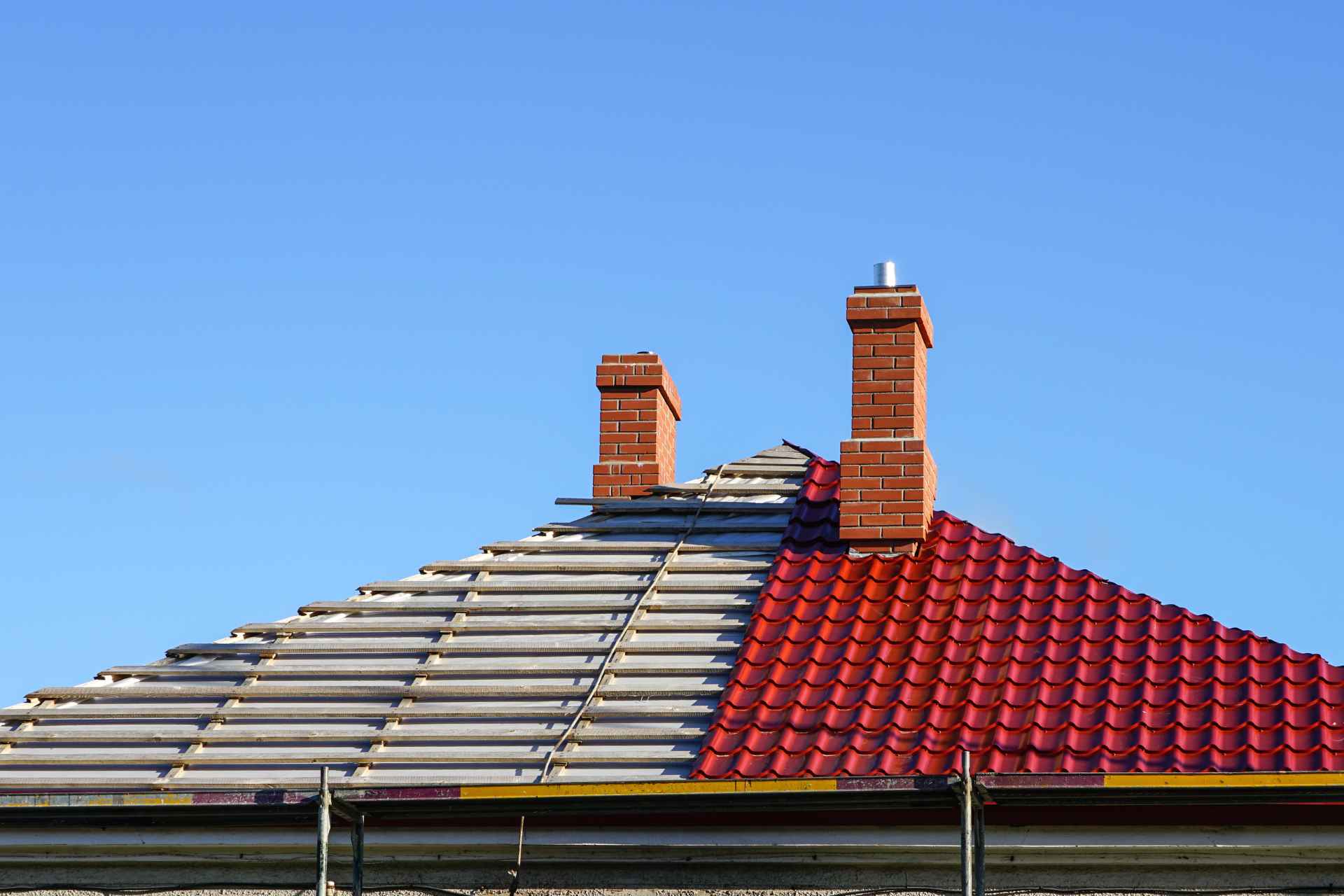
Like most things in your home, your roofing system will require some form of maintenance, this includes inspections, adjustment and repairs. If your roofing system is damaged extensively and it reaches a point where a repair is not possible, it is time for a roof replacement. A roof replacement is a very common home improvement project most often performed by a crew of roofing professionals. Roof replacements are usually pretty straight forward, however they don’t always go as planned, there are many factors that could affect your next roof replacement.
Here are 5 key factors that impact roof replacement:
The Workmanship
The most impactful aspect of your next roofing replacement is the contractor you hire to complete the project. Their experience and efficiency determines not only the cost of your roof but also its longevity. If the contractor makes a mistake and does not install your new roof properly, then it can never reach its full potential and you will experience issues and premature damages to the system. This will lead to more money out of your pocket as you will need to have additional repairs to fix the damages you may experience from a poor roofing installation. Taking all of this into account, it would be best if you would do your research and find the proper contractor for you.
A reputable contractor will provide a clear, written warranty that covers both the materials used and the labour performed on your home. This professional accountability ensures that if an installation error does occur, the company will return to rectify the issue without further expense to you. By vetting your roofer’s past projects and checking their local reputation in Hamilton, you protect yourself from the long-term financial headache of a substandard installation.
Attic Ventilation
Proper attic ventilation is key to a well-executed roof replacement. Attic ventilation helps your home and your roof breathe. If your attic is not ventilated sufficiently, then hot or cold air (depending on the season) will be trapped inside, shortening your roof’s life expectancy. Possible outcomes from this are decking deterioration and shingles curling. These can be dangerous for not only your roof, but your framing and your home’s overall structure as well.
Weather Conditions
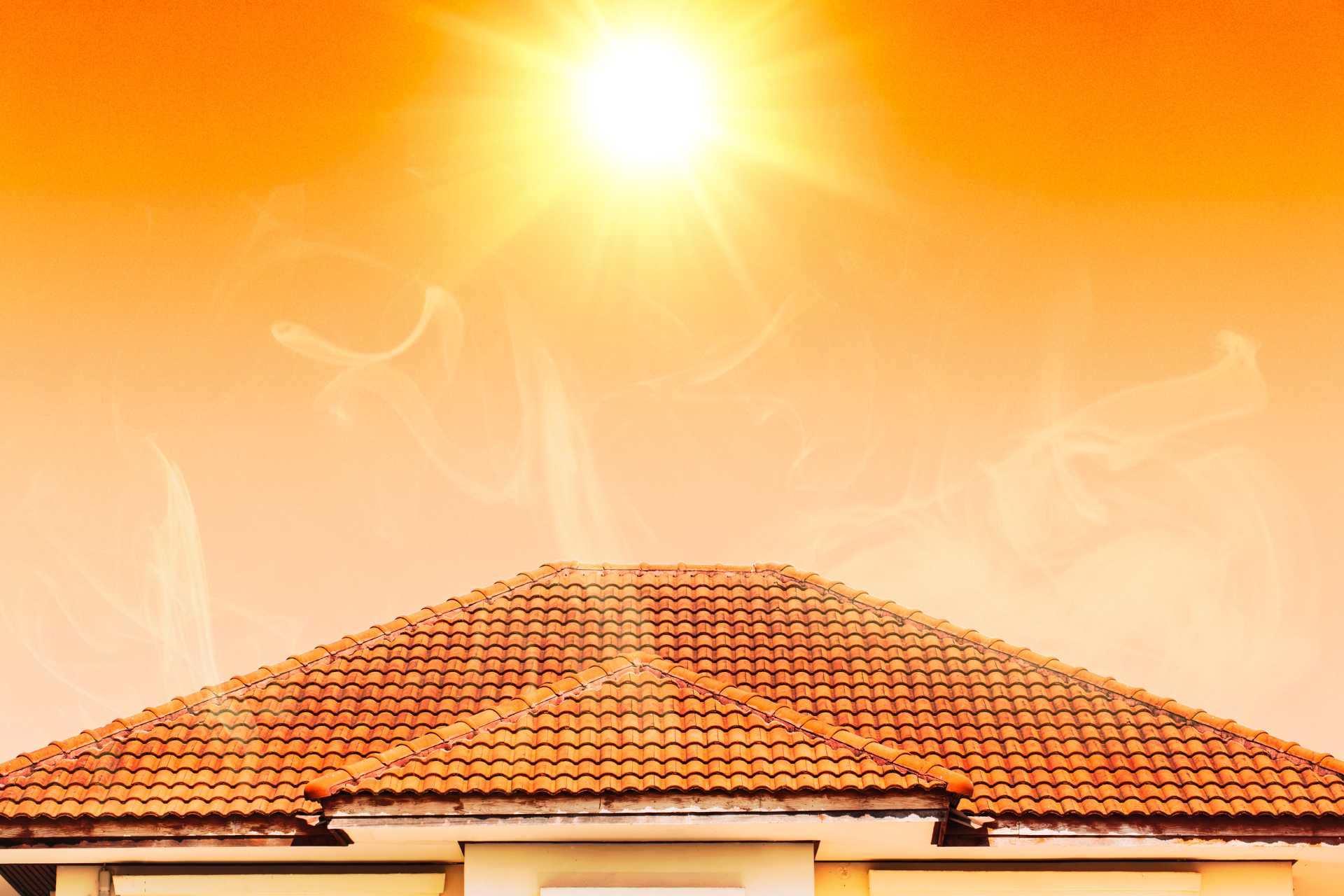
It is certain that every home’s roof will experience a roof replacement at least once in their life. But, if your home is in an area that experiences harsh weather conditions, then it is more than likely that your roof will need more than the usual amount of roof replacements. Some of the weather conditions that can negatively affect your roof are hail, great amounts of snow and dry climates. Although it is not possible to avoid these conditions, it is best to keep them in mind for your next roofing replacement appointment.
Local climates that undergo rapid freeze-thaw cycles put immense stress on the seals and flashing of your roofing system. Constant exposure to heavy UV rays can also cause shingles to become brittle and lose their protective granules prematurely. By choosing materials specifically engineered for your regional weather—such as impact-resistant shingles for hail-prone areas—you can mitigate these environmental risks and extend the time between necessary replacements.
Frequency of Maintenance
Having a constant maintenance check on your roof is very important for how long your roof lasts. With the help of a regular check-up, you will be able to prevent any small problems that could spiral into a detrimental issue that could ruin not only your roof, but also your home. Furthermore, maintaining your roof would help your next roof replacement run more smoothly. By preventing moisture and debris build-up in your roof, the contractors will have less work to do when replacing your roof, which decreases the work intensity and the overall cost for the roof replacement.
Materials and other Components
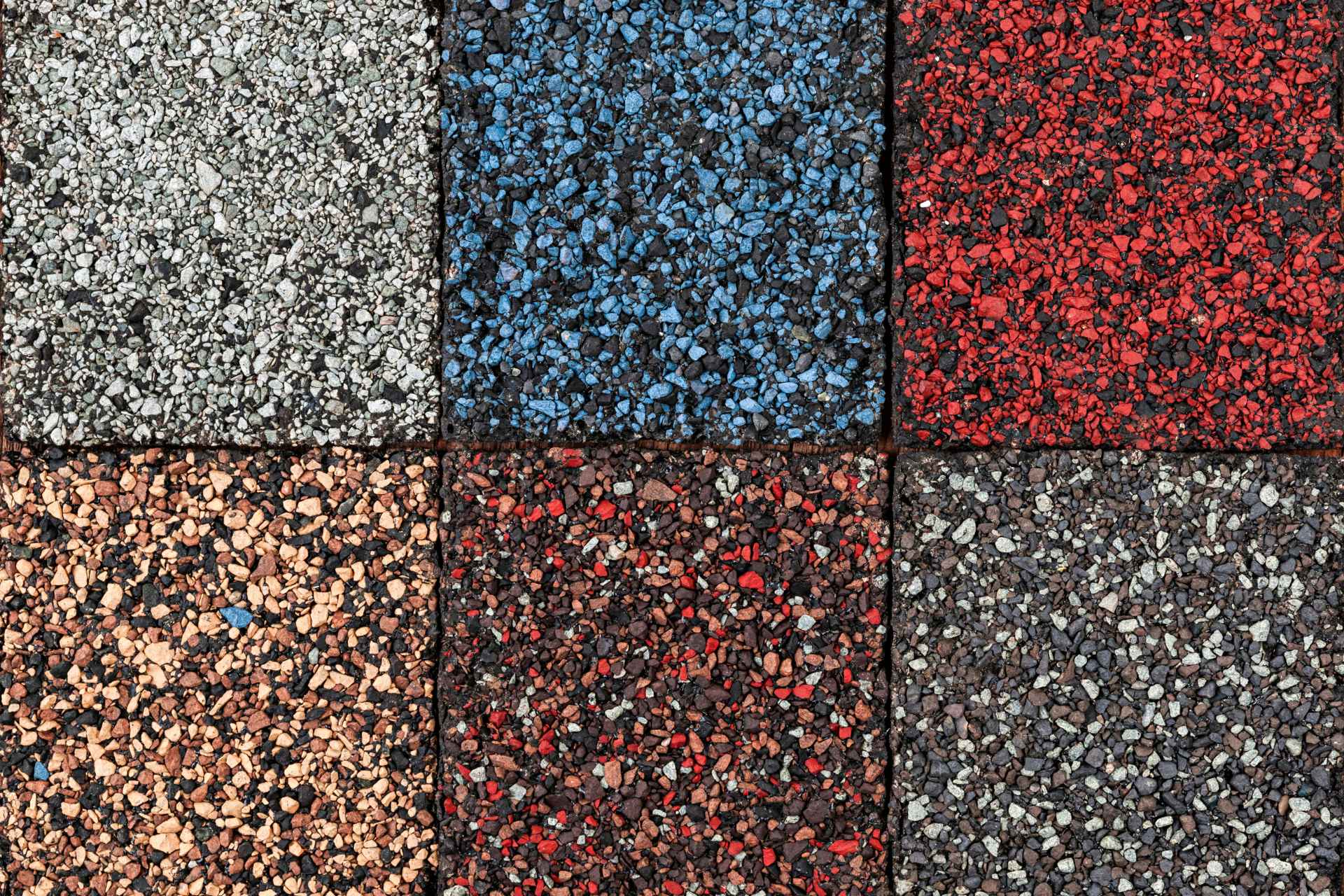
Investing in the right materials and components is just as important as investing in the right contractor to complete the job. The materials you use determine how durable and long-lasting your roof will be. It is worth investing into higher quality materials for your roofs you will benefit in the long run, especially if you live in an area that experiences various harsh weather conditions.
Beyond the shingles themselves, you must consider the quality of the “invisible” components like the ice and water shield, the underlayment, and the starter strips. High-performance materials are designed to work together as a unified system, providing multiple layers of defense against the elements. While the upfront cost for premium materials may be higher, the reduction in lifetime repair costs and the increased property value make it a much more sustainable investment for your home.