A roof rarely reaches the end of its lifespan because of age alone. In most cases, subtle issues build quietly over time, shortening performance years before visible failure appears. Homeowners often assume roofing problems are sudden or unavoidable, yet many originate from overlooked conditions that accelerate wear long before shingles curl or leaks form. Understanding these hidden factors makes it easier to protect the roof and plan ahead instead of reacting to damage.
These issues also surface at critical moments, such as inspections or legal reviews tied to property transactions, where questions raised by a real estate lawyer or findings shared by a roofing company can delay decisions or increase costs. Knowing when to repair or replace your roof starts with recognizing what actually causes early deterioration. This is why regular home inspections are necessary, not just to spot visible damage but to identify the conditions that quietly erode performance. When homeowners take steps to maintain their roof proactively, lifespan becomes far more predictable—and preventable problems stay small.
Canadian Weather Is More Than Just “Harsh”
Canadian weather shortens roof lifespan in ways that go beyond obvious storms or heavy snowfall. Freeze–thaw cycles repeatedly expand and contract roofing materials, slowly weakening fasteners, sealants, and joints. Snow loads create uneven stress across roof surfaces, especially when melting occurs inconsistently due to sun exposure or heat loss from inside the home. Over time, this constant movement fatigues materials that may still look intact from the ground.
Wind-driven rain adds another layer of wear by forcing moisture into seams, edges, and flashing details. Even without visible leaks, repeated moisture exposure breaks down protective layers and accelerates aging beneath the surface. These conditions rarely cause immediate failure, but they steadily shorten the roof’s usable life by creating small vulnerabilities that grow with each season.
Poor Drainage and Water Management
Poor drainage is one of the most underestimated factors that shortens a roof’s lifespan. When water does not move off the roof efficiently, it lingers on shingles, valleys, and edges far longer than intended. This prolonged moisture exposure weakens materials, accelerates granule loss, and increases the likelihood of leaks forming at seams and penetrations. Even roofs without obvious ponding can suffer when runoff consistently concentrates in the same areas.
Drainage issues also compound other problems. Slow-moving water increases the risk of ice dams in winter and keeps roof components damp during shoulder seasons. Over time, this constant exposure breaks down flashing, underlayment, and fasteners, quietly reducing overall durability. Addressing drainage early is one of the most effective ways to protect long-term roof performance.
Ventilation and Moisture Trapped Below the Roof
Roof deterioration often begins from below, where trapped heat and moisture quietly damage structural components. Poor attic ventilation allows warm, moist air to build up beneath the roof deck, creating condensation that seeps into wood sheathing and fasteners. Over time, this moisture weakens the deck, corrodes metal components, and reduces the effectiveness of insulation.
Seasonal temperature differences make this issue worse. In winter, warm interior air rises and condenses against cold surfaces, while in summer, excess heat accelerates material breakdown. These internal conditions rarely show immediate signs on the roof surface, yet they play a major role in shortening the lifespan by degrading the roof from the inside out.
Small Installation Errors With Big Consequences
Many roofs lose years of service life due to minor installation errors that are easy to miss at first. Improper fastening, poorly aligned shingles, or rushed flashing details may not cause immediate leaks, but they create weak points that worsen with every season. As materials expand and contract, these small flaws allow moisture to penetrate areas that should remain sealed, accelerating wear beneath the surface.
Over time, these errors compound rather than correct themselves. A single poorly sealed penetration or misaligned flashing detail can redirect water repeatedly to the same spot, increasing stress on surrounding materials. While the roof may appear functional in the short term, these hidden installation issues quietly reduce durability and make future repairs more complex.
Deferred Maintenance and Missed Early Warnings
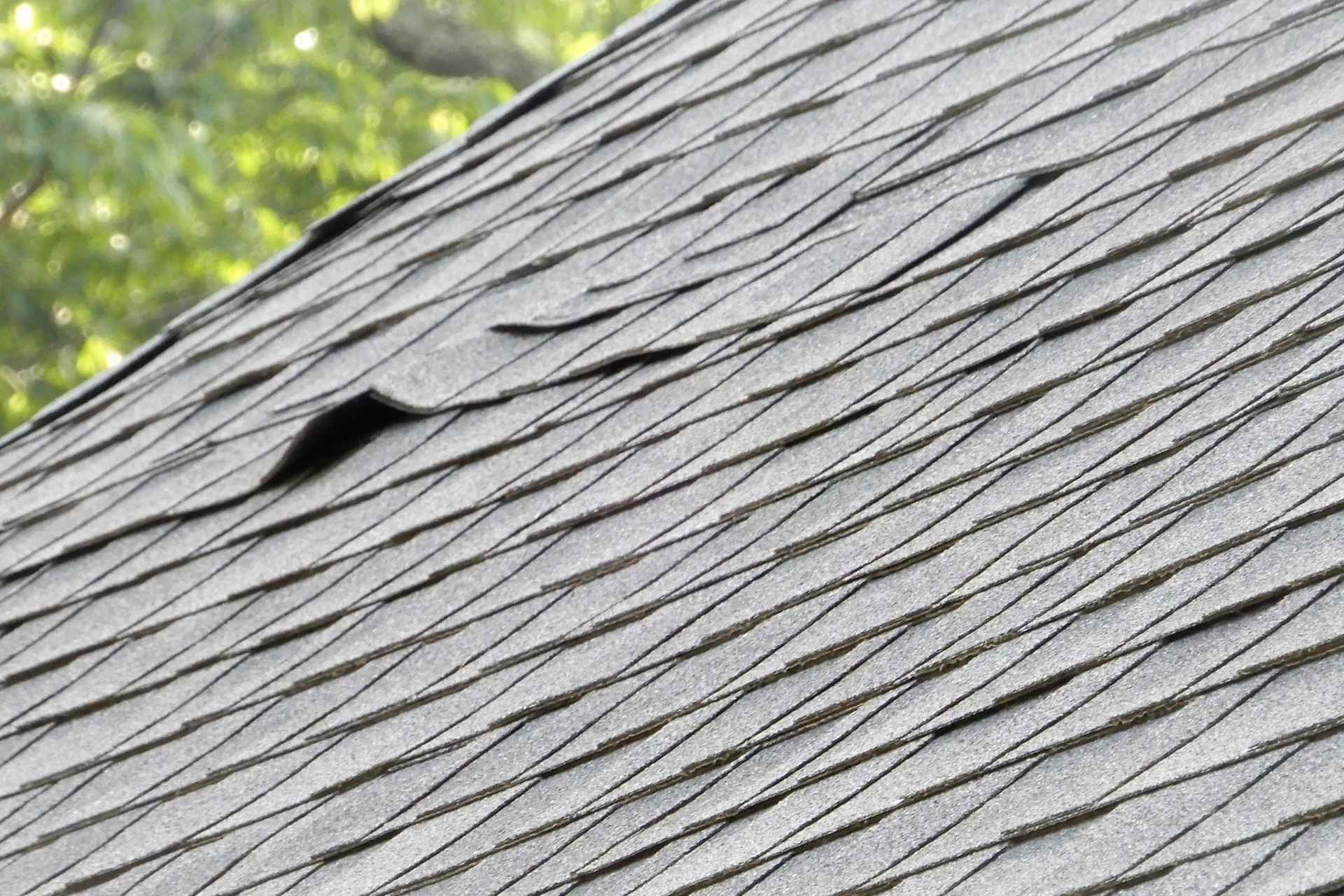
Roof problems rarely become serious overnight. More often, they start as small issues—lifted shingles, minor flashing gaps, or clogged drainage paths—that seem harmless at first. Because these signs don’t immediately disrupt daily life, maintenance is often postponed. Over time, those minor concerns allow moisture to penetrate deeper into the roofing system, quietly accelerating deterioration.
Missed inspections also mean missed opportunities to intervene early. Without routine checks, subtle changes go unnoticed until damage spreads beyond the surface. By the time leaks appear indoors, repairs are no longer simple or localized. Deferred maintenance turns manageable wear into larger, more expensive problems that shorten the roof’s overall lifespan.
Roofing Materials Aging Differently Than Expected
Roofing materials rarely age in a uniform or predictable way. While shingles or panels may appear intact, supporting components such as sealants, flashing, and underlayment often deteriorate much sooner. UV exposure, temperature swings, and moisture cause these secondary materials to dry out, crack, or lose flexibility, creating entry points for water long before surface materials fail.
This uneven aging leads homeowners to underestimate roof wear. A roof that looks “fine” from the curb may already be compromised at critical junctions and edges. Because these vulnerable areas are not always visible, deterioration progresses quietly, reducing lifespan even when the roof appears visually sound.
Why Roof Problems Are Often Misdiagnosed
Roof issues are frequently misdiagnosed because the most visible symptoms are rarely the true source of the problem. Interior stains or damp insulation are often blamed on isolated leaks, leading to surface-level fixes that don’t address underlying causes like poor ventilation, drainage failures, or installation flaws. These temporary solutions may stop water briefly, but they allow the real issue to continue worsening out of sight.
Another reason misdiagnosis is common is that roofing systems work as a whole. When one component fails, stress shifts to others, creating symptoms far from the original weakness. Without a system-level assessment, repairs focus on where damage shows up rather than where it starts. This cycle shortens lifespan by allowing hidden factors to keep accelerating wear.
How Proactive Care Extends Roof Lifespan
Proactive roof care focuses on prevention rather than reaction. Routine inspections identify early signs of wear before they compromise surrounding materials. Addressing drainage issues, ventilation imbalances, and minor detailing problems early prevents moisture from spreading and reduces stress on the roofing system as a whole. This approach keeps small issues from compounding into structural damage.
Long-term planning also brings predictability. Scheduled maintenance makes it easier to budget, plan repairs strategically, and avoid emergency work during extreme weather. When homeowners take a proactive approach, roof lifespan becomes something that can be managed and extended rather than guessed at or prematurely cut short.
Roof Lifespan Is Built—or Shortened—Over Time
Roofs rarely fail because of a single event. Their lifespan is shaped by countless small factors that accumulate quietly over the years. Weather, drainage, ventilation, installation quality, and maintenance habits all influence how long a roof truly lasts.
Understanding these hidden contributors allows homeowners to take control before damage becomes unavoidable. With informed inspections, timely maintenance, and system-level care, roof longevity improves significantly. A roof that is monitored and maintained intentionally will always outlast one that is simply left to endure the elements.