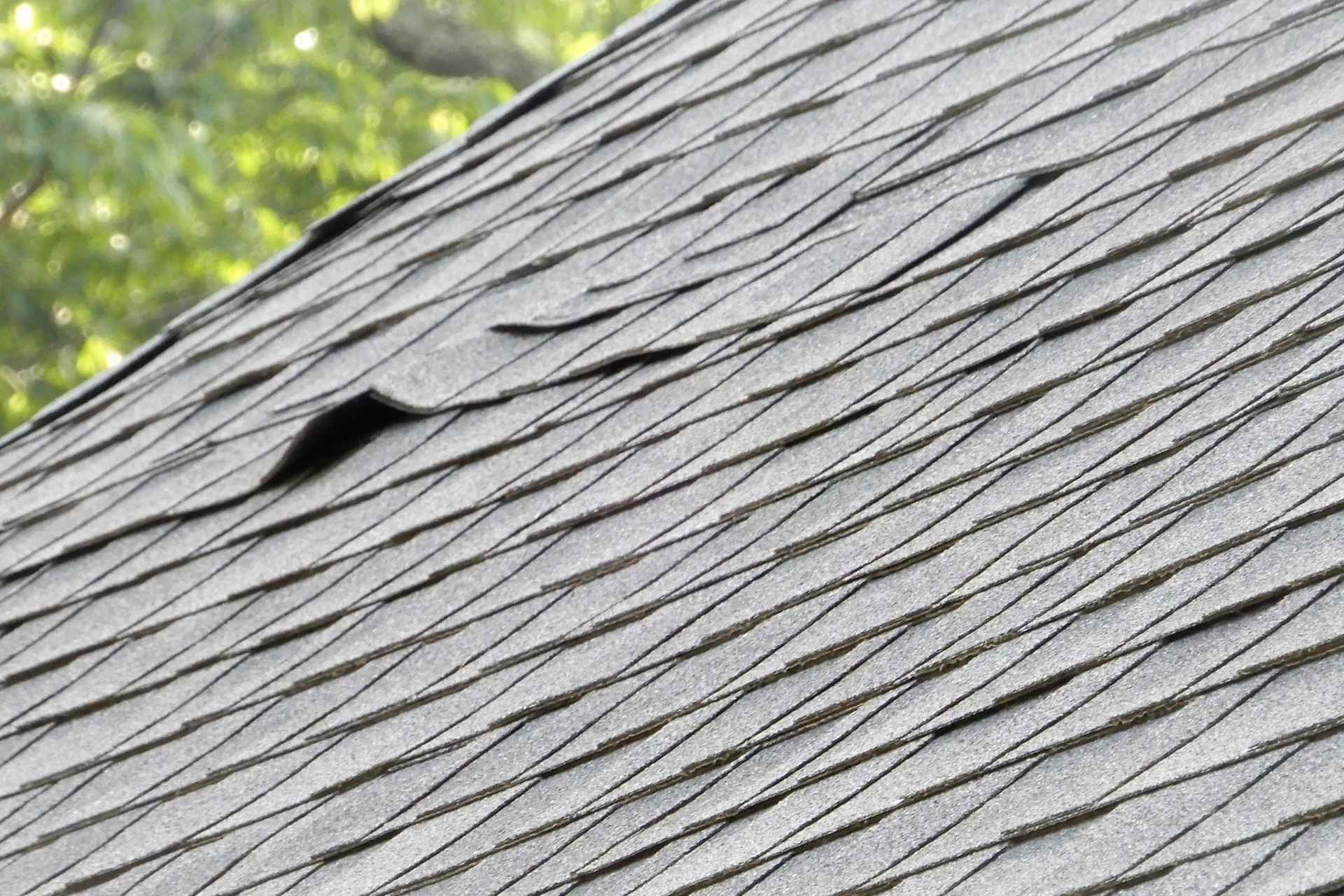
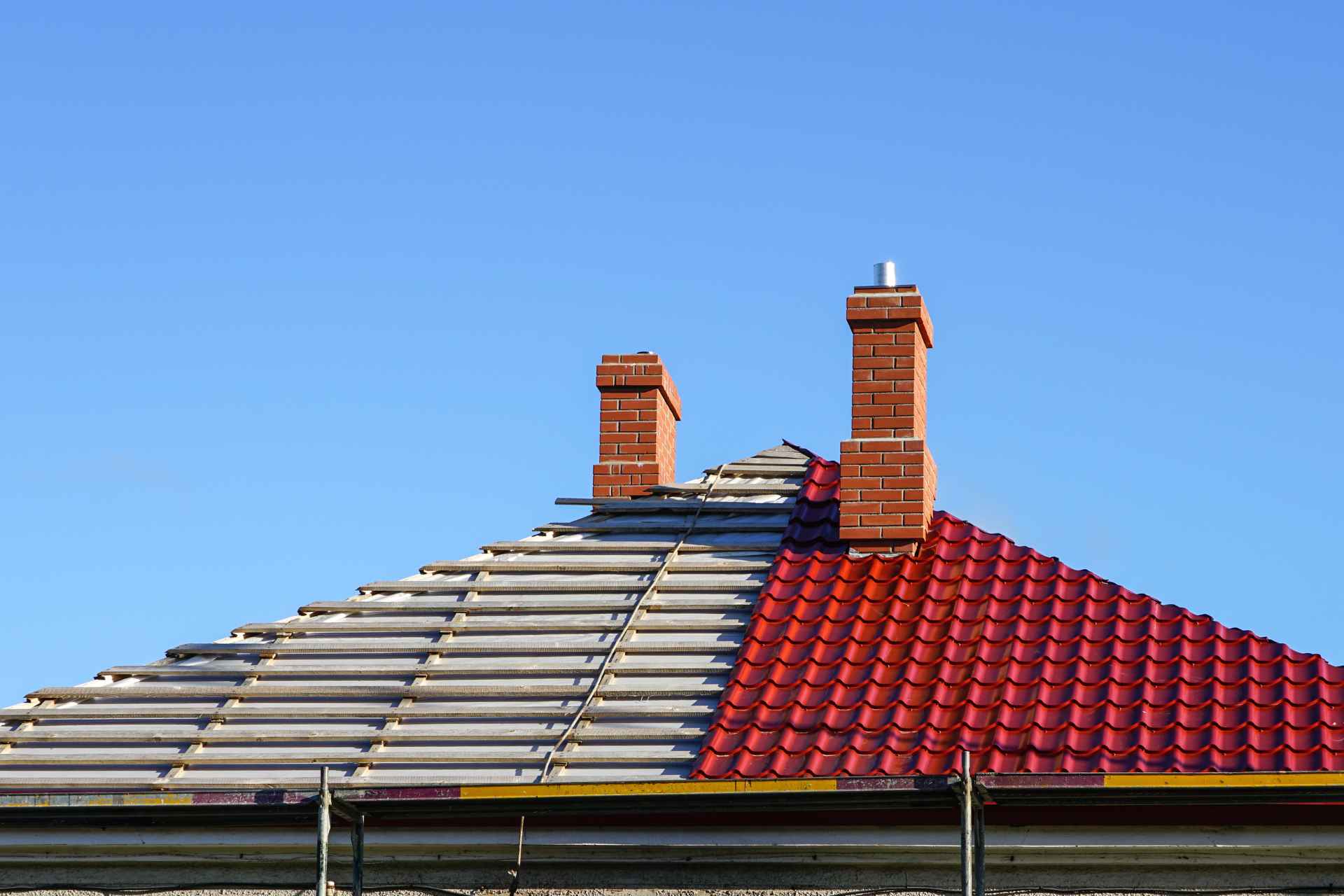
The roof is a vital part of the home; it protects the house from weather elements and complements the overall appearance of the house. Maintenance is essential if you want to keep your roof in good condition, and inspecting the roof promptly is one way of maintaining it. Also, roof inspection helps you to discover minor faults in the roof before they turn into major problems that will lead to additional expenses for roof replacement.
Here are 5 factors that would determine how often you would need to get your roof inspected:
1. Geographical location
If you live in a place that experiences extreme weather conditions like high temperature, hail storms, and winds, you may need to inspect your roof after every rainfall or storm to ensure no minor or major damages have occurred. Depending on the storm’s severity, you may need to hire a roofing expert to perform the inspection so that they can efficiently locate the faults, if there are any.
2. Roof Age
Most roofing materials have an expected lifespan of about 15-30 years, depending on the material’s durability. If your roof is nearing its expected lifespan, you may need to increase the frequency of inspection. Weather elements also contribute to the wear and tear of roofing materials, so your roof may age faster than expected.
3. Moisture
The growth of mold, which is characterized by discoloration of the interior part of the roof, can also be another sign that you need to have your roof inspected. If you observe these signs, it may be time to call in a roofing expert to have your roof inspected. Moisture damage can be a result of water penetration through leakages.
4. Damaged Roofing Materials
Damages to a roof cannot be avoided, and when they occur, you may not have the resources to have them repaired immediately. If you have damaged roofing materials that are yet to be repaired, it is best to have your roof inspected every day to know if there are further damages before a major repair.
5. Consult a roofing expert
Roofing experts are more experienced in matters of inspections. They can give you all the necessary information about your roofing material, what to look out for when inspecting, and how often you need to inspect.
Prioritizing Your Home’s First Line of Defence
A roof inspection is an important task that you can easily overlook because of the stress that comes with it. However, leaving your roof uninspected for a long time puts your house at risk and may likely subject the house to an unexpected breakdown in a situation where damages have accumulated. By shifting your mindset from reactive repairs to proactive maintenance, you safeguard your family and your finances.
Ultimately, the small investment of time required for a professional walkthrough pays dividends in the form of extended roof longevity and total peace of mind. A well-maintained roof does more than just shelter you; it preserves the core value of your entire estate. Don’t wait for a ceiling stain to tell you there’s a problem—schedule an inspection today to ensure your home remains a safe, dry, and secure sanctuary for years to come.