Selecting a new roof involves far more than simply picking a durable material that keeps rain and snow out of your attic. A home’s roof represents up to 40% of its visible exterior facade, making colour choice a dominant factor in overall visual harmony and thermal performance. In northern climates, where homes face freezing winters and hot summer sun, your roof’s shade directly impacts energy efficiency, indoor comfort levels, and architectural character.
Executing a successful exterior overhaul requires balancing thermal science with curb appeal. Just as homeowners invest in high-efficiency window replacement to minimize draughts, control solar heat transfer, and lower seasonal heating bills, partnering with a knowledgeable roofing company ensures that your overhead colour choices align with regional climate demands. The shade you select for your shingles or metal panels works in tandem with insulated glass and wall cladding to regulate solar radiation, setting the tone for your entire building envelope.
The Quick Edit
- The Core Science: Darker roof tones absorb solar radiation to assist with winter snowmelt, while lighter tones reflect heat to lower summer cooling loads.
- The Design Strategy: Match roof colour undertones (warm vs. cool) to existing siding, brick, and trim to create a unified architectural profile.
- The Value Benefit: Thoughtful roof colour selection enhances architectural depth, differentiates your property in the real estate market, and maximizes total resale equity.
Thermal Science: Solar Reflectance and Climate Adaptation
The colour of your roof surface plays an active role in how your home absorbs and reflects solar energy throughout the year. Solar Reflectance Index (SRI) measures a roofing material’s ability to reject solar heat, scaled from cool white to deep black. Understanding these thermal properties helps homeowners select a colour palette tailored to their local climate needs:
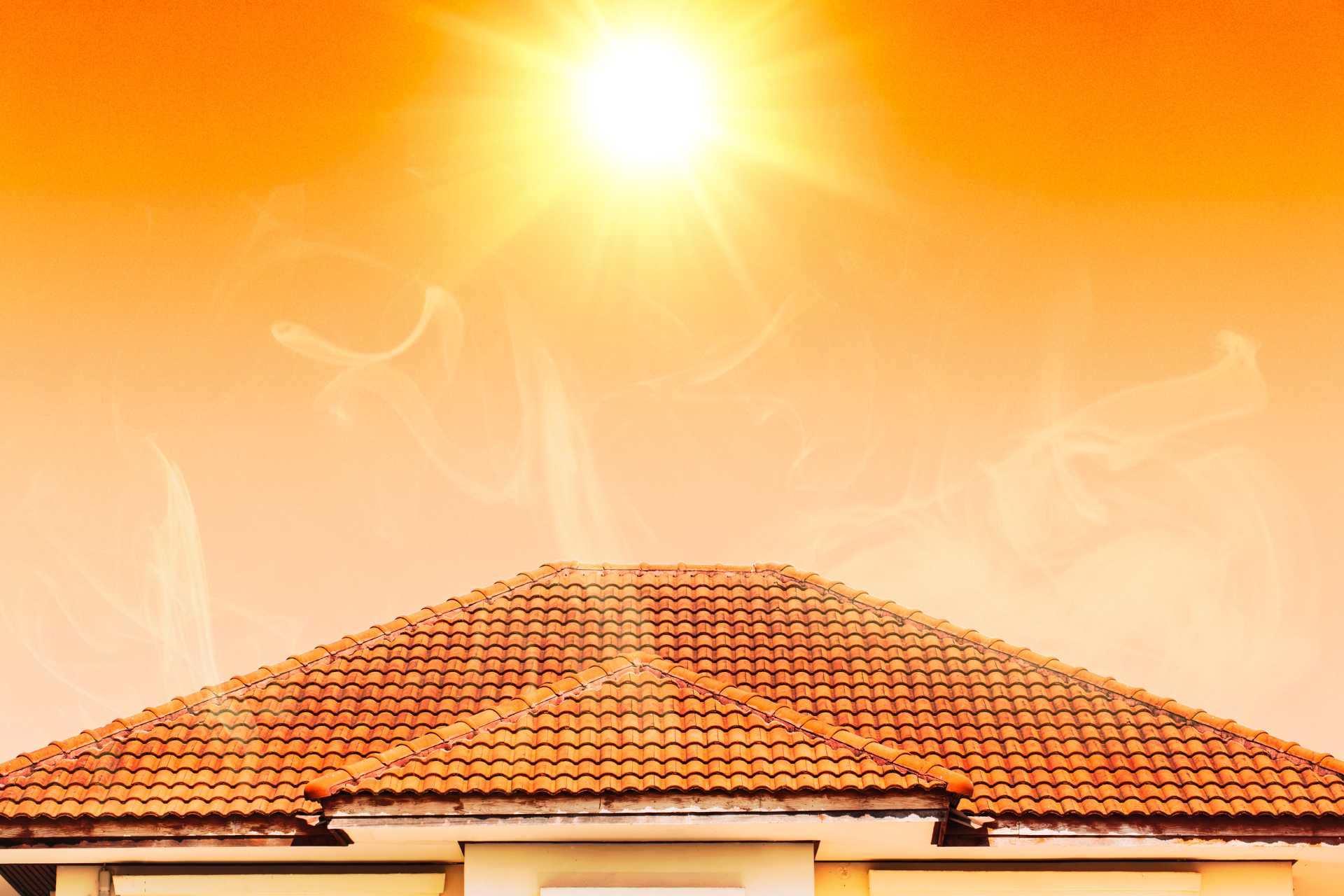
- Dark Tones (Charcoal, Slate, Jet Black): Darker surfaces absorb higher amounts of solar radiation. During sunny winter days, absorbed heat helps warm the roof deck, encouraging snowpack and ice dams to melt off eave edges more quickly. However, in mid-summer, dark roofs can reach surface temperatures over 65°C (150°F), increasing air conditioning demands.
- Light Tones (Beige, Sand, Light Gray): Lighter shades reflect solar rays into the atmosphere, keeping attic spaces cooler during peak summer months and reducing energy strain on cooling equipment.
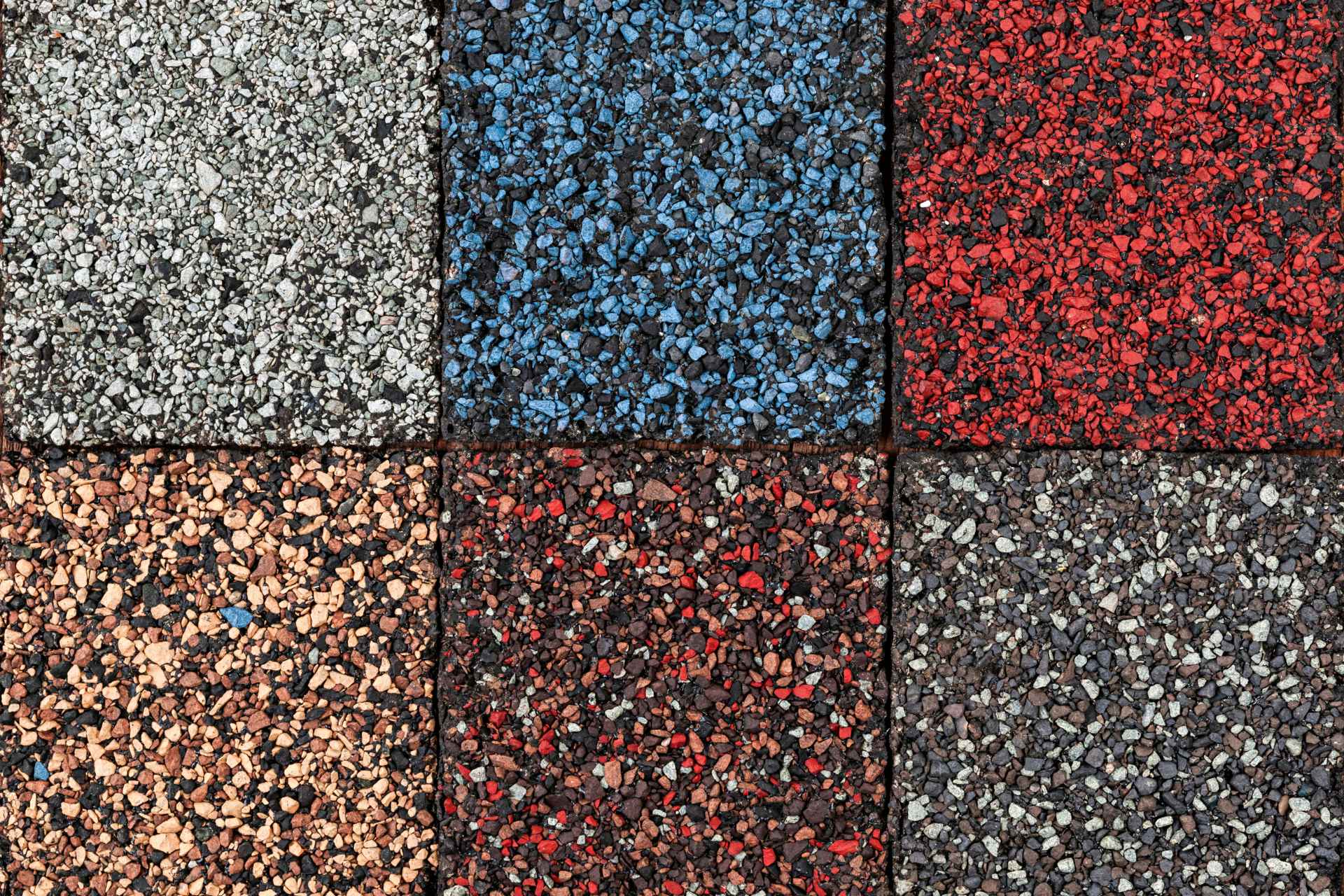
- Blended Tones (Weathered Wood, Heather Blend): Multi-tone dimensional shingles combine light and dark granules. They offer balanced thermal performance while camouflaging surface dust, pollen, and natural weathering over time.
Key Planning Factors: Important Things to Consider When Replacing Your Roof
Colour selection should never happen in isolation; it must integrate with the permanent structural and environmental features of your property. Reviewing these important things to consider when replacing your roof prevents costly colour mismatches and ensures long-term satisfaction:
- Fixed Architectural Materials: Brick masonry, natural stone accents, and poured concrete foundations are expensive or impossible to change. Choose a roof colour that shares warm (brown, beige, taupe) or cool (gray, blue, black) undertones with these fixed elements.
- Siding and Trim Harmony: Contrast creates visual interest, while harmony creates elegance. A white or light cream house benefits from a dark slate or charcoal roof for crisp definition. Conversely, a dark wood or brick home looks grounded with balanced gray or weathered wood tones.
- Neighbourhood Aesthetic and HOA Rules: Observe surrounding homes to ensure your choice complements the neighbourhood streetscape without clashing or violating local homeowner association guidelines.
- Roof Pitch and Prominence: Steeply pitched roofs display more surface area from the street, making bold colours and high-contrast patterns far more intense. Flat or low-slope roofs show less surface, allowing for stronger colour choices on trim and fascia instead.
Visual Design: Curb Appeal and Architectural Styles
Transforming a standard house into a striking architectural statement relies on coordinating exterior finishes. Thoughtfully chosen roofs rank among the top exterior home renovations that instantly increase the curb appeal of your property, providing an immediate visual upgrade that catches the eye of passersby and prospective buyers alike.
The key to successful palette design is matching roof textures and shades to your home’s distinct architectural style:
- Craftsman and Timber Frame: Earthy browns, warm cedar blends, and mossy forest grays complement natural wood posts, stone pillars, and wide eave overhangs.
- Modern Farmhouse and Urban Contemporary: Deep charcoal, midnight black, or standing-seam dark metal panels create sharp, clean lines against light siding and dark window frames.
- Colonial and Historical Traditional: Classic black, dark slate gray, or deep brown dimensional shingles preserve historical symmetry and timeless dignity.
Elevating Design and Asset Value with Architectural Profiles
Material profile and colour work together to create visual depth. Standard flat three-tab shingles often look thin and uniform from the street. On the other hand, multi-layered architectural shingles use shadow bands and colour variation to mimic natural wood shake or slate tiles.
Exploring the roofing style that could elevate your home’s design and value allows you to transform a flat, featureless roof plane into a rich visual asset. High-definition dimensional shingles feature staggered layers and multi-tonal granule blends that catch sunlight differently throughout the day. This added texture masks minor surface imperfections, highlights steep gables, and signals premium craftsmanship to real estate appraisers.
Lighting Variables and Sample Testing Strategies
A roof colour sample can look drastically different depending on the time of day, angle of sunlight, and surrounding foliage reflections. Before making a final material order, testing samples directly on your property is a crucial step in the design process.
Sunlight quality shifts throughout the day, moving from cool, soft light in the morning to warm, intense golden tones in the late afternoon. Holding physical shingle boards up against your exterior walls allows you to see how shadows, brick undertones, and siding colours interact under real outdoor conditions. Testing samples on both shaded north-facing slopes and sunlit south-facing angles ensures the colour remains visually pleasing regardless of cloud cover or seasonal solar positions.
Neighbourhood Integration and HOA Compliance
Selecting a roof colour also requires balancing personal taste with community context. While standing out can add character, choosing a shade that clashes violently with neighbouring properties can harm overall street cohesion and negatively impact resale value.
In master-planned communities or neighbourhoods governed by Homeowners Associations (HOAs), colour palettes are often subject to strict pre-approval guidelines. Reviewing community covenants before purchasing materials prevents costly project delays, change orders, or fine penalties. Even in non-governed neighbourhoods, selecting a roof shade that harmonizes with adjacent properties maintains streetscape value and keeps neighbourhood appeal high.
Long-Term Maintenance and Colour Retention Technology
A roof’s colour should look as vibrant ten years after installation as it does on day one. Modern roofing manufacturing incorporates advanced granule technology to protect roof surfaces against harsh atmospheric elements:
- UV-Resistant Ceramic Granules: High-grade mineral granules are ceramic-coated and fire-baked to lock in rich pigment, resisting fading from intense sun exposure.
- Algae-Resistant Copper Technology: In humid regions, dark streak-causing algae (Gloeocapsa magma) can ruin light-colored roofs. Modern shingles incorporate copper-releasing granules that prevent dark staining and keep colours clean.
- Reflective Cool-Roof Granules: Advanced granules reflect invisible infrared rays without sacrificing dark colour aesthetics, allowing homeowners to achieve a dark, sophisticated look while maintaining high thermal performance.
Form, Function, and Equity
Choosing the right roof colour is a powerful design decision that sits at the intersection of building science, curb appeal, and home value. By evaluating thermal performance, coordinating undertones with permanent brick and siding, and selecting multidimensional architectural profiles, you protect your home against severe weather while creating a visually stunning exterior. Investing time into thoughtful colour selection ensures your roof remains a source of pride, comfort, and equity for decades to come.