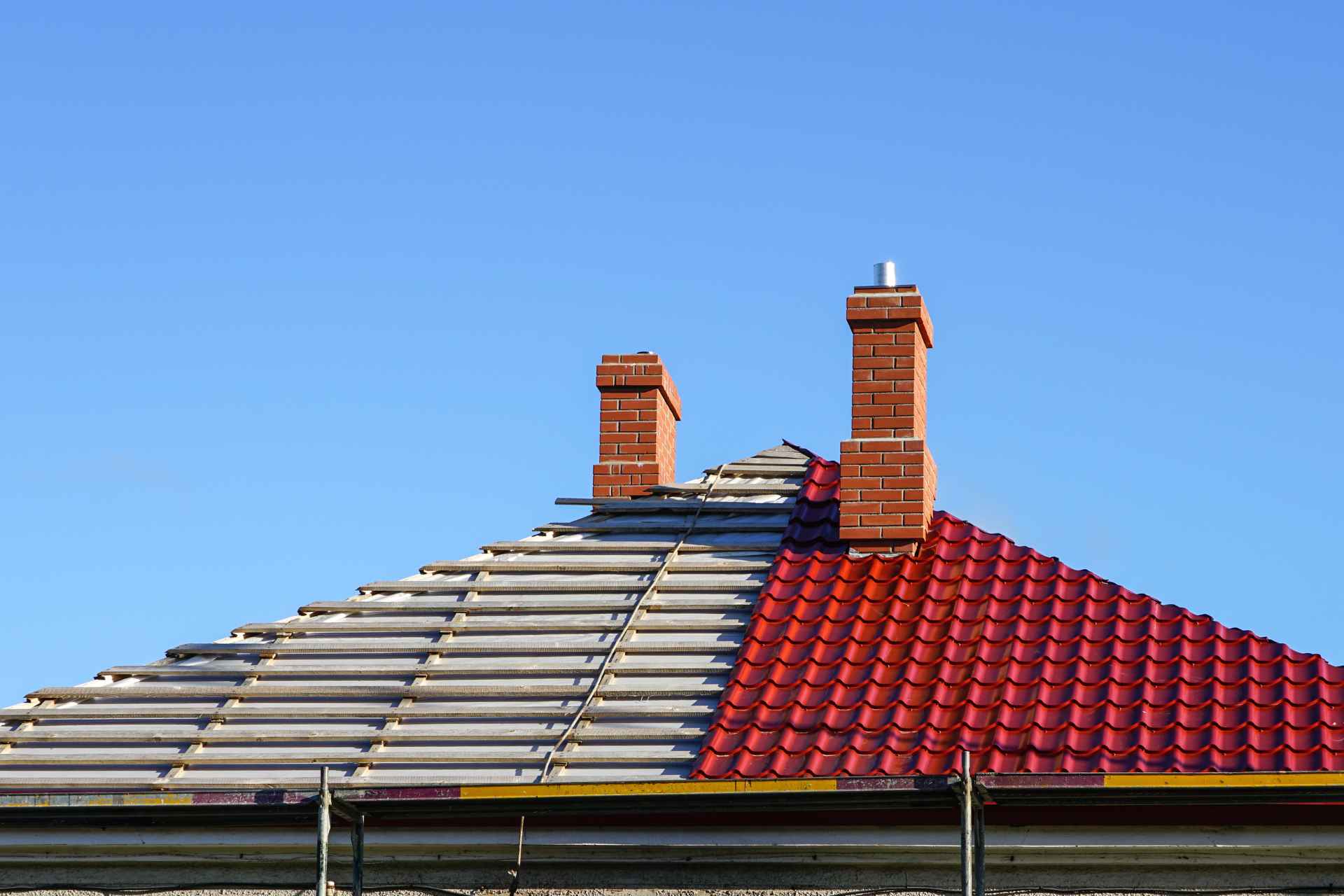
As the Canadian summer transitions into autumn, property owners evaluate their building envelopes before harsh winter conditions set in. While many homeowners delay major home improvements until spring, late-season reroofing offers structural and material advantages. Autumn provides a prime seasonal window where ambient temperatures, low humidity, and favourable weather conditions align to create ideal installation quality.
Planning a major structural renovation requires evaluating overall property value and protection. Hiring an experienced roofing company guarantees that new panel installations adhere to strict building code requirements before freezing temperatures hit. Additionally, consulting a knowledgeable real estate agent will confirm that installing a new weather-resistant roof before winter enhances curb appeal, protects structural equity, and increases overall market value.
The Quick Edit
- Ideal Temperature Window: Moderate fall temperatures (10°C to 20°C) allow self-sealing adhesives to activate properly without blistering heat or cold.
- Enhanced Crew Efficiency: Mild autumn weather reduces crew heat fatigue, accelerating installation timelines while ensuring precise installation.
- Winter Protection: Reroofing in autumn seals the building envelope before heavy snow loads, sub-zero freeze cycles, and ice dams damage compromised materials.
The Physics of Sealant Curing and Thermal Activation
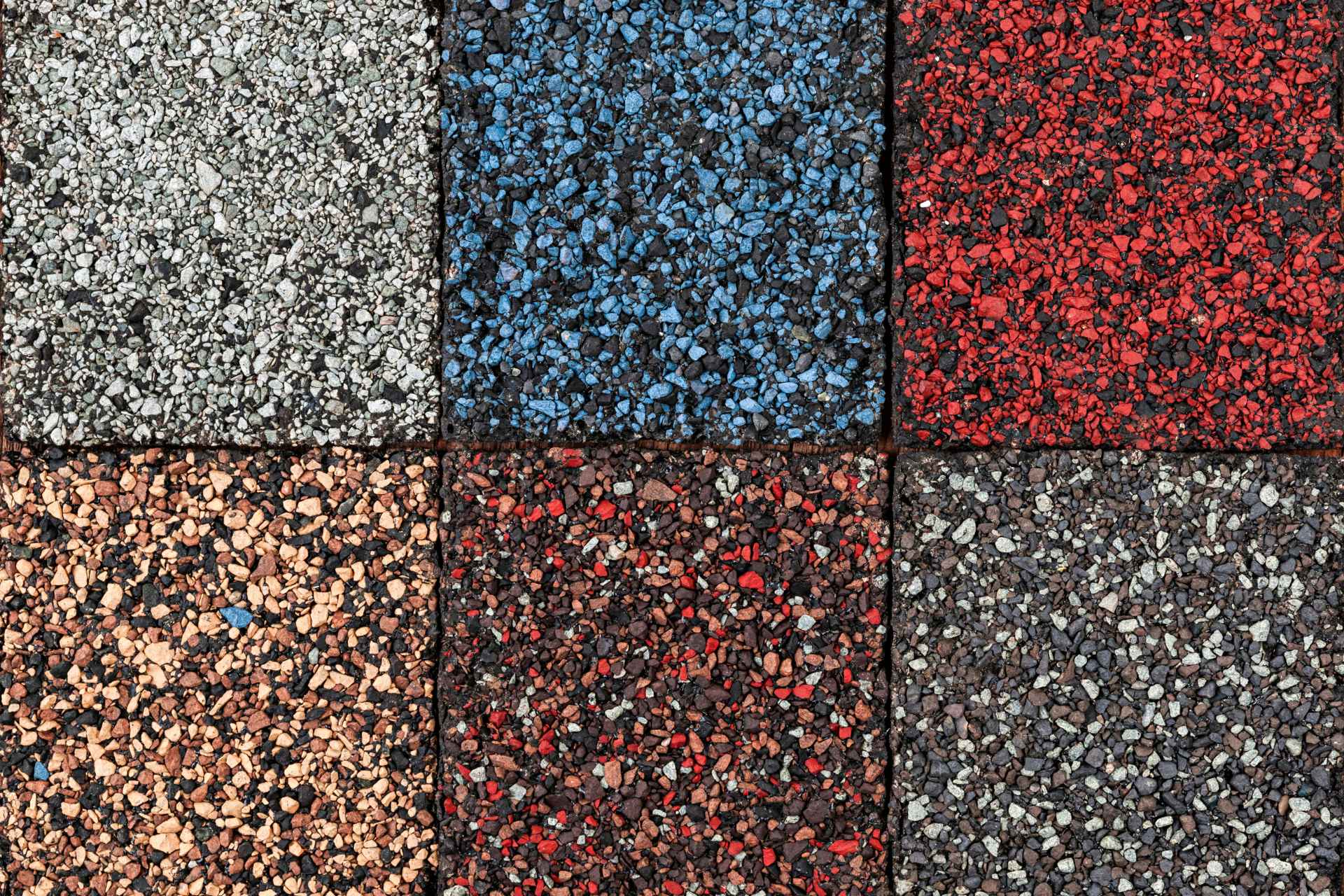
Building materials depend on precise temperature ranges for installation success. Asphalt shingles, synthetic underlayment membranes, and standing seam roof butyl sealants rely on ambient thermal energy to soften, flow, and create watertight seals.
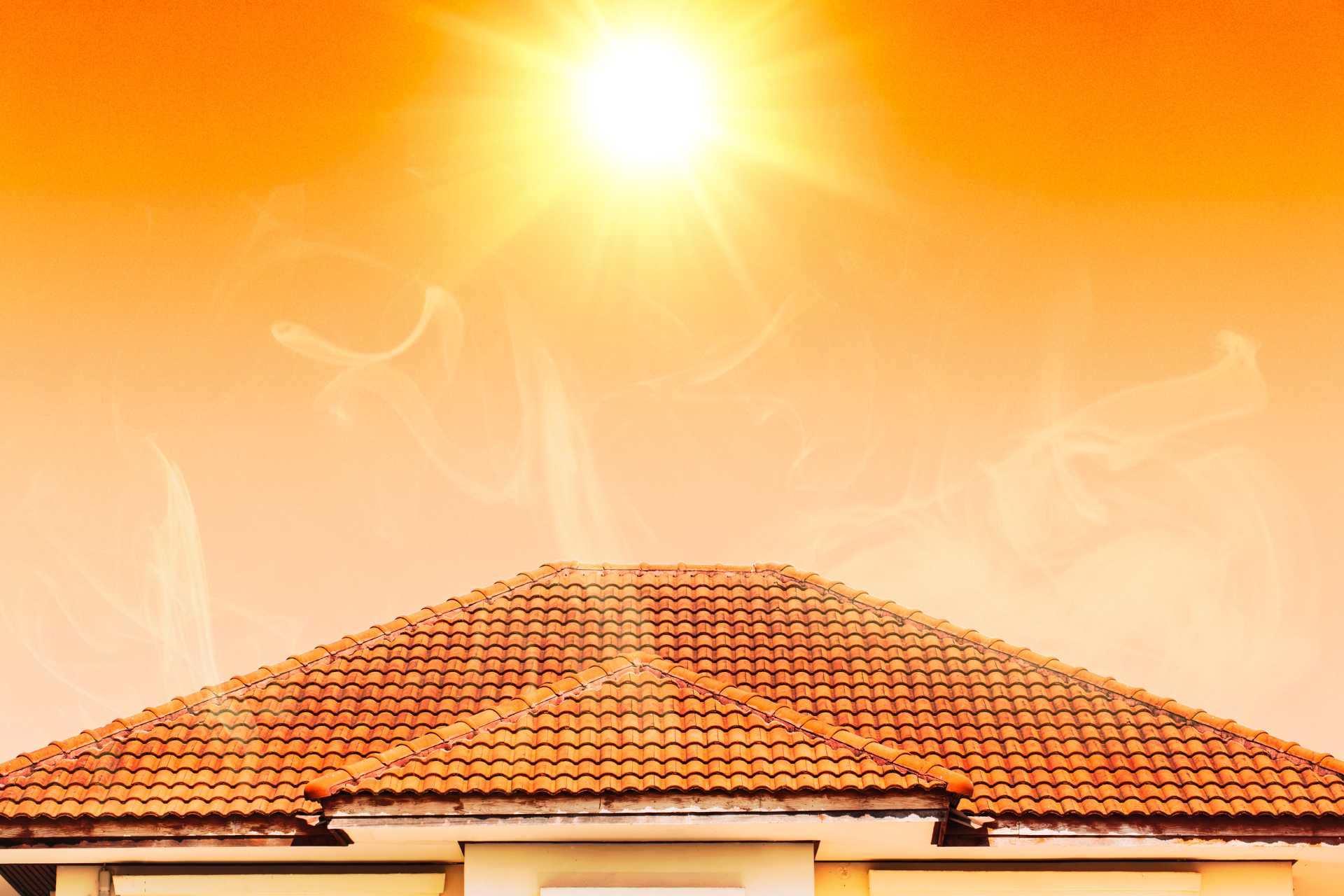
During summer, roof surface temperatures exceed 60°C. Extreme heat causes asphalt self-sealing strips to activate too quickly, making shingles soft, sticky, and vulnerable to foot-traffic scuffing. Conversely, winter sub-zero temperatures make synthetic underlayments rigid and prevent thermal sealants from bonding, leaving panels loose and susceptible to wind uplift. Autumn delivers a reliable thermal balance:
- Controlled Curing Rates: Fall temperatures between 10°C and 20°C allow self-sealing adhesive strips to bond steadily without premature thermal degradation.
- Flexible Material Handling: Underlayment membranes and flashings retain optimal elasticity, conforming tightly around roof hips, valleys, and wall steps without cracking.
- Reduced Thermal Shock: Installing panels during moderate temperatures minimizes initial expansion and contraction stresses on panel fasteners.
Preventing Winter Deck Failure and Structural Degradation
Delaying a needed roof replacement until spring exposes a compromised building envelope to Canadian winter weather. Snowpack, ice expansion, and wind-driven freezing rain find hidden defects in aging materials, accelerating structural deterioration.
Understanding how different weather conditions affect your roof over time highlights why waiting through winter increases overall repair costs. Aging roofs lose structural strength through repeated seasonal cycles, making timely replacement essential.
| Seasonal Weather Factor | Impact on Aging Roof Material | Secondary Envelope Risk | Autumn Replacement Solution |
| Heavy Snow Accumulation | Excessive dead load weight on weakened timber decks | Structural deck sagging and rafter deflection | Installs new structural sheathing and high-load paneling |
| Freeze-Thaw Cycles | Water expands by 9% in tiny surface cracks | Shattered shingle tabs and split flashing seals | Replaces cracked layers with continuous waterproof barriers |
| Wind-Driven Freezing Rain | Moisture drives under lifting panel edges | Saturated insulation and indoor ceiling leaks | Seals perimeter eaves with continuous self-adhering membranes |
| Ice Damming | Standing meltwater pools behind eave ice dams | Rotting soffits, fascia boards, and rafter tails | Upgrades attic ventilation and eave flashing systems |
Recognizing the subtle signs that your roof needs to be repaired—such as interior ceiling stains, granular loss, or sagging rooflines—allows property owners to act before minor defects turn into emergency winter failures.
Worker Safety, Installation Precision, and Crew Performance
Quality roof installations rely on technical precision and skilled craftsmanship. Every flashing bend, mechanical fastener placement, and ridge cap closure requires careful attention to detail.
Installation crew performance connects directly to ambient weather conditions:
- Reduced Physical Strain: High summer temperatures induce thermal exhaustion, increasing fatigue during long installation shifts. Autumn’s cool climate keeps installation crews comfortable, focused, and efficient.
- Consistent Material Alignment: Cold winter winds force workers to rush installations to prevent interior weather exposure. Autumn provides stable weather conditions, allowing crews to align standing seams, drive structural screws accurately, and detail flashings properly.
- Enhanced Footing Safety: Dry autumn days provide excellent traction across roof decks, reducing slip hazards and creating safer working conditions compared to icy winter roof slopes.
Financial Economics and Strategic Seasonal Scheduling
From a financial perspective, scheduling a roof replacement in autumn provides practical budgeting and contractor availability advantages. Summer represents peak emergency repair season, creating long contractor waitlists and material shortages.
By mid-to-late autumn, contractor schedules stabilize, offering property owners key advantages:
- Strategic Scheduling: Homeowners secure preferred installation dates without waiting through long summer backlogs.
- Avoiding Spring Price Adjustments: Raw material prices for steel, aluminum, asphalt, and insulation typically increase at the start of the spring manufacturing calendar. Replacing your roof in fall locks in current-year material pricing.
- Immediate Energy Efficiency: Installing new reflective roof panels and modern thermal deck insulation before winter lowers heating costs throughout sub-zero months.
Evaluating these advantages confirms that autumn represents the best time to change your roof. Upgrading your upper envelope in fall secures contractor availability while locking in performance before winter weather arrives.
Substrate Preparation, Underlayment Upgrades, and Ventilation Balancing
A complete fall roof replacement involves more than installing new exterior surface panels. It provides an opportunity to inspect, repair, and upgrade underlying structural components that remain hidden beneath old roofing materials.
When old shingles or damaged panels are removed, contractors perform critical structural upgrades:
- Sheathing Inspection: Damaged plywood or OSB sheets are removed and replaced with sound structural sheathing, restoring full deck load capacities.
- Ice & Water Shield Installation: Continuous self-adhering polymer membranes are applied along eaves, valleys, and rake edges, creating a secondary waterproof barrier against winter ice dams.
- Attic Ventilation Balancing: Installing new ridge vents and soffit intake baffles balances attic air temperatures with outdoor ambient air, eliminating thermal loss that triggers upper snowmelt.
Combining new waterproof underlayment with continuous surface panels creates a complete, long-lasting weather barrier across your roof deck.
Thermal Bridging, Air Sealing, and Building Envelope Efficiency
Integrating structural envelope upgrades during a late-season roof replacement boosts overall home efficiency. When the outer roof deck is stripped bare during fall construction, contractors gain clear access to seal hidden air leaks along the upper building perimeter.
Addressing upper air sealing and thermal continuity involves key technical steps:
- Top Plate Sealing: Applying expanding polyurethane foam along exterior wall top plates stops warm, humid indoor air from leaking into cold attic spaces.
- Continuous Insulation Layers: Adding rigid polyisocyanurate foam boards directly above structural timber sheathing eliminates thermal bridging through wooden rafters.
- Ventilation Baffle Integration: Positioning rigid ventilation baffles along eave margins preserves intake airflow while preventing loose attic insulation from blowing out of place.
Sealing these air leakage paths stabilizes indoor temperatures, reduces winter heating loads, and prevents interior moisture from condensing against cold roof sheathing.
Pre-Winter Snow Guard Engineering and Structural Load Distribution
Replacing a roof in autumn allows contractors to calculate and install tailored snow retention systems before the first heavy snowfall. On modern metal or low-friction synthetic roof surfaces, accumulated winter snowpack does not gradually melt away—it tends to shed all at once in massive, sudden slides known as roof avalanches.
Installing engineered snow guards during a late-season replacement prevents these hazardous snow slides through precise structural load distribution:
- Bar-Style vs. Pad-Style Retention: Contractors evaluate roof pitch, rafter length, and regional ground snow loads to specify continuous pipe/bar systems or individual clear polycarbonate pads.
- Mechanical Standing Seam Clamping: For standing seam metal systems, non-penetrating seam clamps anchor the snow guards securely without puncturing the waterproof surface panels or compromising factory warranties.
- Protecting Downstream Assets: Securing snow retention hardware during fall reroofing prevents heavy winter snow masses from shearing off gutters, damaging lower roof dormers, or causing injury along pedestrian walkways below.
By integrating engineered snow retention hardware into your autumn roof replacement, you ensure the new assembly safely manages heavy Canadian snowpacks from day one.
Protecting Your Asset Before Winter
Replacing a failing roof in autumn is a strategic investment in long-term building health. By taking advantage of optimal ambient curing temperatures, dry installation conditions, and available contractor schedules, property owners eliminate winter leak risks, improve overall energy efficiency, and secure complete peace of mind through severe weather seasons.