A home’s exterior stands as a constant shield against the relentless forces of nature. Every surface faces the brunt of seasonal changes, year after year. Your roof, windows, and doors form the primary line of defence against the elements. From scorching summer sun and driving rain to heavy snow loads and high winds, every season puts these crucial structures to the test. Over time, exposure to harsh weather conditions can gradually weaken roofing materials. This process mirrors how the sun can warp window frames or winter cold can wear down door seals. These issues potentially lead to higher energy bills and water damage if left unaddressed. While homeowners often notice wear on windows or doors more readily, subtle, gradual damage to the roof can lead to significant problems down the road. Understanding how different weather conditions impact roofing materials, which is often best explained by a professional roofing company, is the first step toward proactive protection.
The Impact of Sun and Heat: The Slow Bake
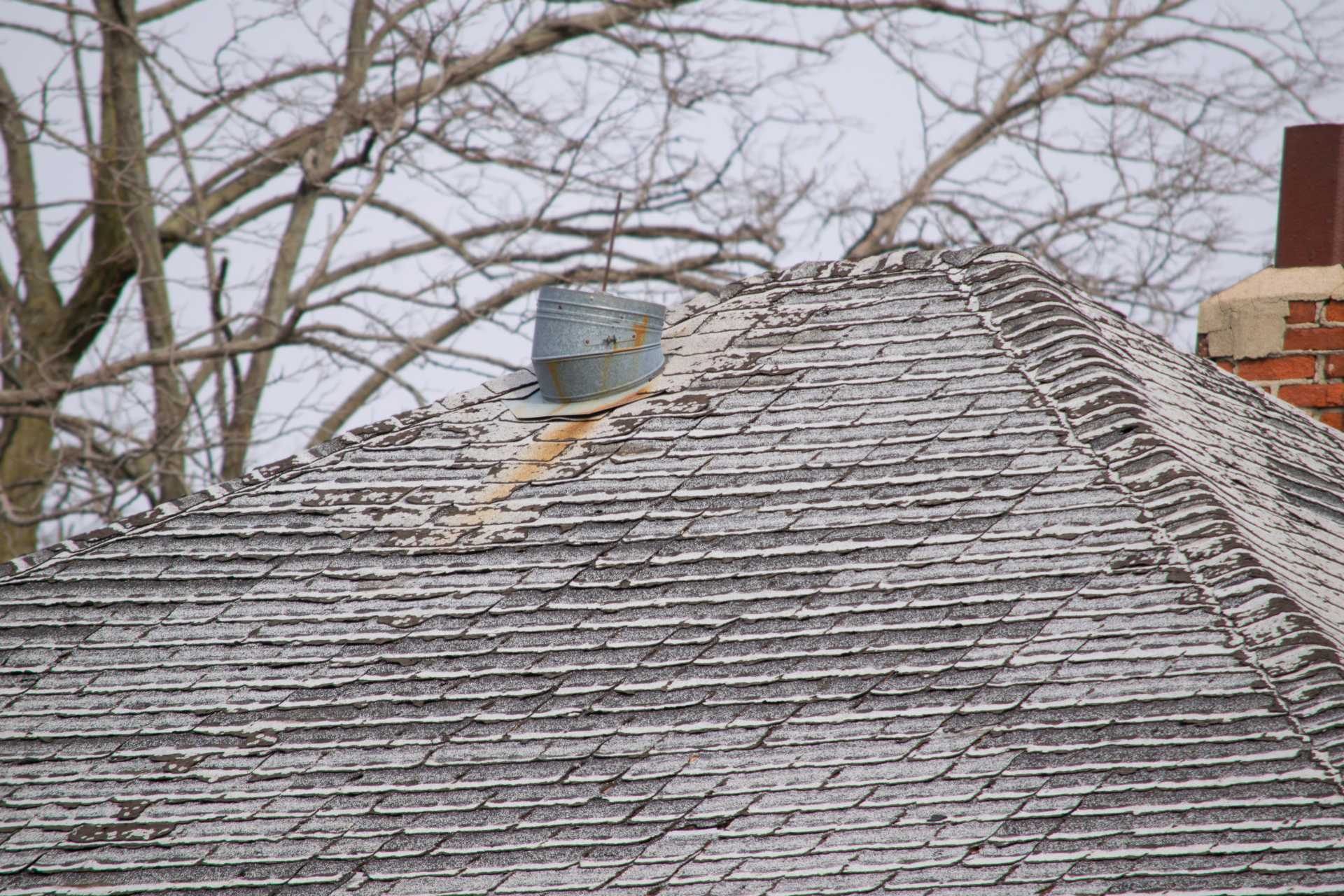
The relentless exposure to summer sun and high temperatures takes a significant toll on roofing materials. Constant ultraviolet (UV) radiation acts like a slow burn. For common asphalt shingles, UV rays dry out the essential oils that keep them flexible. This makes the shingles brittle, prone to cracking, and less able to withstand impacts or wind uplift. UV exposure also causes colours to fade over time, diminishing the home’s curb appeal. The sealants used around flashing, vents, and other roof penetrations are also vulnerable. Intense sun can cause them to dry out, shrink, and crack, creating openings for water intrusion.
Beyond UV damage, the daily cycle of heating and cooling creates stress through thermal expansion and contraction. Roofing materials expand slightly when heated by the sun and shrink when they cool down at night. Over thousands of these cycles, this constant movement puts stress on the entire roofing system. It can lead to cracks in shingles, loosening of fasteners, and eventual failure of sealant bonds. Proper attic ventilation plays a key role in mitigating this by helping to regulate the roof’s temperature, reducing the extremity of these cycles. Choosing reflective roofing materials can also help lessen heat absorption and slow down degradation from these specific weather conditions.
The Effects of Rain and Moisture: The Persistent Seeker
Rain is perhaps the most obvious adversary for a roof, constantly seeking out any point of weakness. Driving rain can exploit vulnerabilities such as cracked or missing shingles, loose flashing, or deteriorated sealants around vents and pipes. Once water gets beneath the primary roofing layer (the shingles or panels), it encounters the underlayment. While this layer provides secondary protection, persistent moisture can eventually saturate it and reach the wooden roof deck below. This leads to rot, structural weakening, and potentially costly repairs to the roof structure itself. Different roofing styles that elevate the design and value of your house handle water differently, but all require proper sealing.
Effective drainage is paramount in preventing moisture damage. Properly installed flashing around chimneys, skylights, vents, and in roof valleys is critical. It is designed to channel water away from these vulnerable joints and onto the main roof surface. Clean, functional gutters and downspouts are then essential for collecting this large volume of water and directing it safely away from the home’s foundation, walls, windows, and doors below. When gutters clog or flashing fails, water pools or overflows, drastically increasing the risk of leaks and allowing moisture to penetrate the home’s exterior envelope. Unchecked moisture can also saturate attic insulation, severely reducing its effectiveness and compromising energy efficiency.
The Damage from Snow and Ice: The Weight and the Wedge
Winter weather conditions present unique challenges, particularly the freeze-thaw cycle. Moisture that seeps into small cracks in shingles or gets under flashing can freeze when temperatures drop below zero. As water freezes, it expands with considerable force, acting like a tiny wedge that widens the crack or lifts the material slightly. When temperatures rise and the ice melts, more water can seep into the now larger gap. Repeated freeze-thaw cycles gradually break down roofing materials, enlarge openings, and create pathways for significant leaks once spring melt arrives.
Ice dams are another serious winter menace, particularly common on homes with inadequate attic insulation or ventilation. Heat escaping from the living space warms the underside of the roof deck, melting snow on the upper roof sections. This meltwater runs down to the colder eaves (the roof edges), where it refreezes, forming a dam of ice. Water then pools behind this dam. It has nowhere to go but up and under the shingles, leading to significant leaks into the attic, exterior walls, and even interior ceilings. Preventing ice dams relies heavily on keeping the roof surface uniformly cold through proper attic insulation and ventilation, ensuring snow melts evenly.
The Power of Wind and Storms: The Uplift and Impact
Strong winds pose a significant threat, especially to shingle roofs. Wind blowing across a roof creates differential pressure; lower pressure above the shingle and higher pressure below can create an uplift force. This force can get underneath the edges of shingles, loosening fasteners, breaking the sealant strips that bond them together, or even tearing shingles right off the roof. This leaves the underlayment exposed to direct rain. Older roofs with brittle shingles or roofs that were improperly installed with incorrect nailing patterns are particularly vulnerable to wind damage from severe weather conditions.
Beyond direct wind uplift, storms often bring the threat of impact damage from wind-blown debris. Falling tree branches, large hail, or other airborne objects can puncture roofing materials, crack shingles, or dent metal panels. Even seemingly small punctures or cracks can compromise the roof’s waterproof integrity. They create immediate entry points for water during the next rainfall. This highlights the importance of inspecting the roof after any significant storm. Catching minor impact damage early allows for simple repairs before it escalates into a major leak and extensive interior moisture damage.
How to Protect Your Roof from Weather Damage: A Proactive Strategy
The most effective way to protect a roof from the cumulative effects of various weather conditions is through proactive maintenance. Homeowners should conduct visual inspections from the ground at least twice a year, typically in the spring and fall, looking for obvious signs of damage like missing shingles, loose flashing, or heavy granule loss in gutters. Keeping gutters and downspouts clean and free-flowing is absolutely essential for proper drainage. Trimming overhanging tree branches can reduce debris accumulation and minimize the risk of impact damage during storms. Addressing small problems promptly—replacing a few damaged shingles or resealing cracked flashing—is far more cost-effective than dealing with major water damage later.
While homeowner checks are useful, scheduling a professional roof inspection annually provides a deeper level of assessment. A qualified inspector from a reputable roofing company can safely get onto the roof to examine materials up close, check the integrity of all seals and flashing, and assess the condition of ventilation components. This professional oversight helps catch subtle issues before they worsen. Coordinating this roof care with maintenance of other exterior components is also wise. Checking seals around windows and doors while inspecting the roof ensures the entire home envelope remains weather-resistant. Remember, a well-maintained roof makes your home more energy-efficient and protects its value. Consider the best roofing materials for durability in your climate.
Weathering the Storm Starts at the Top
In conclusion, a roof constantly battles the elements. Sun, rain, snow, ice, and wind each pose unique threats that gradually degrade materials and compromise integrity over time. However, understanding these impacts allows homeowners to take proactive steps. Regular inspections, diligent maintenance, and timely professional repairs are the keys to mitigating the effects of harsh weather conditions. The roof, along with the windows and doors, forms a critical protective system. Ensuring this system is sound keeps the home safe, efficient, and comfortable through every season. Protecting your home from the top down is one of the smartest investments you can make.