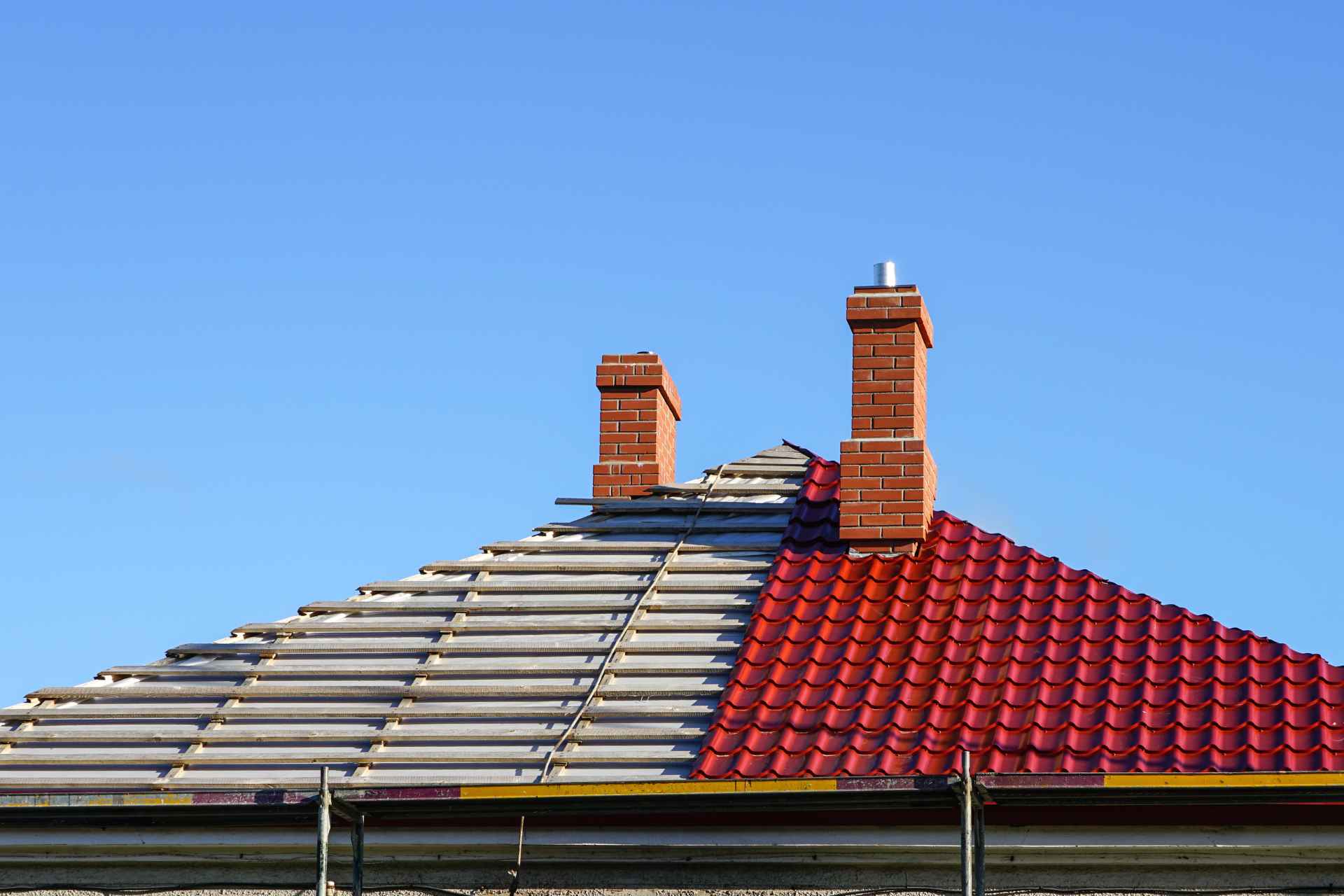
When preparing a home for the competitive market, many sellers fundamentally underestimate just how much the condition of the roof influences buyer interest and overall property value. A roof is not merely a cover; it is the primary defence system for the entire structure. A well-maintained or newly installed roof signals reliability, energy efficiency, and significantly reduced future expenses—qualities that today’s savvy buyers actively seek out. A professional roofing company plays a major role in helping homeowners understand which roof upgrades deliver the biggest return on investment. Furthermore, the expertise of a real estate agent is essential in highlighting this critical capital improvement during showings. A roof replacement is a strategic investment that directly increases home value, substantially boosts curb appeal, and minimizes negotiation issues, ensuring a smoother, more profitable sale.
The Financial Red Flag: What Buyers See on the Inspection Report
The roof’s lifespan is consistently one of the most critical items scrutinized during a home inspection. If the roofing material is nearing or has already passed its functional life, it is automatically flagged. For instance, a 25-year shingle with only 2 to 5 years of life remaining is flagged as a major, unavoidable future expense. Buyers and their agents calculate the full cost of this required replacement. This often ranges from $10,000 to $25,000. They then demand that the cost be deducted directly from the sale price. This negotiation tactic is known as “chipping.” It effectively forces the seller to pay for the roof anyway, but without the benefit of controlling the replacement cost or selecting the materials.
Beyond simple cost deduction, an outdated or damaged roof introduces significant risks. These risks can derail the entire transaction. Some insurance companies may refuse to insure a home with an old or visibly damaged roof. This immediately complicates the buyer’s mortgage financing approval. This financial uncertainty often forces buyers to consider other properties. A new roof, complete with documentation and a transferable warranty, eliminates these major risks entirely. It provides the buyer with immediate, quantifiable assurance. They will not face large, mandatory capital expenditures immediately after closing, thereby protecting the property’s highest possible resale value.
Beyond the Shingles: Performance and Efficiency
Installing a new roof guarantees that the entire roofing system is structurally sound, extending well beyond the visible shingles. This comprehensive replacement ensures the integrity of the underlayment, flashing, and crucial attic ventilation components. A sound system is vital for protecting the home’s structure from water penetration and subsequent hazards like mould and wood rot. Sellers should discuss the importance of modern attic ventilation, such as ridge vents, which are typically included in a new installation. Proper ventilation keeps the attic dry and cool, significantly preventing the formation of destructive ice dams in the winter.
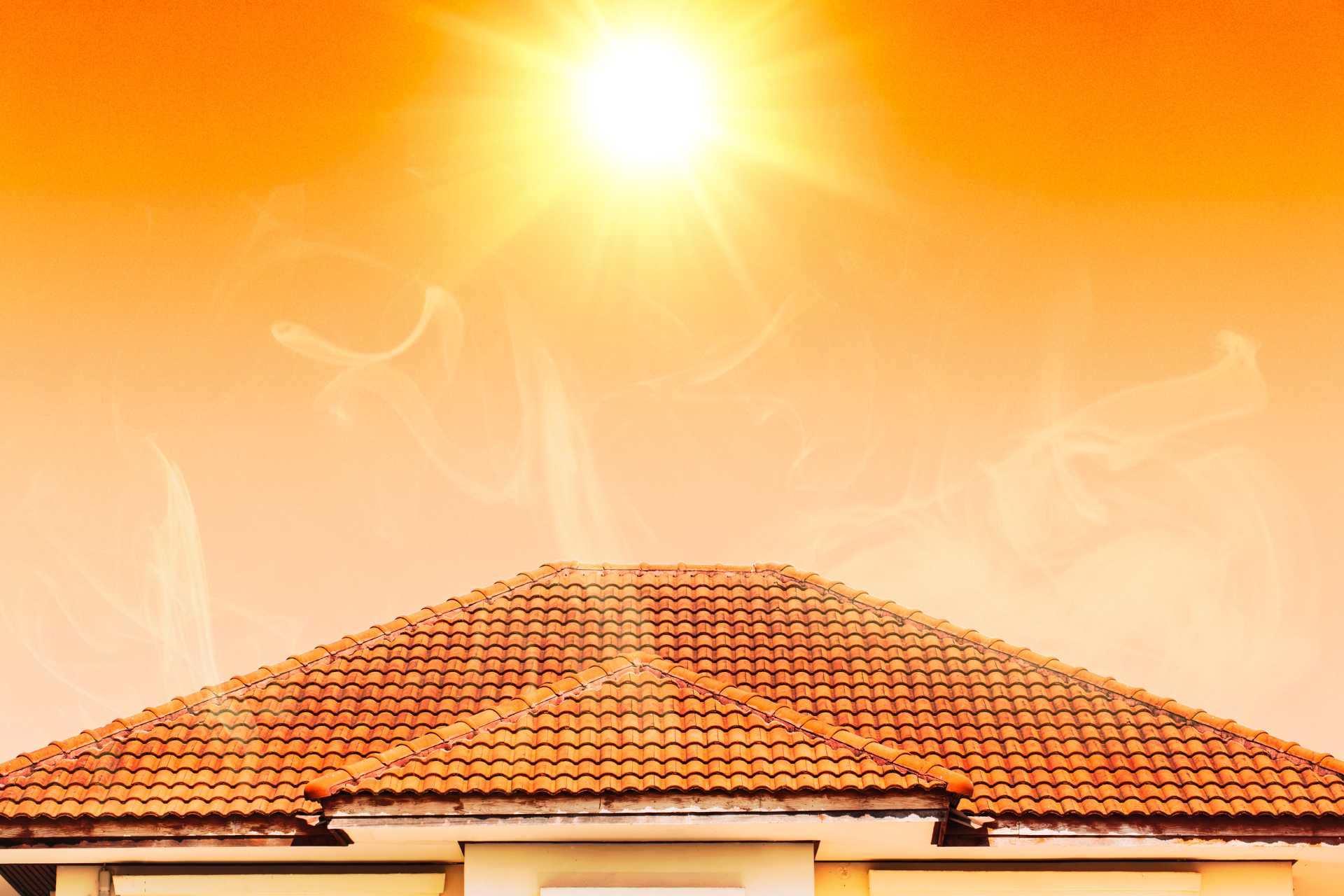
Furthermore, a new roof installation offers an opportunity to enhance the home’s energy performance. The project often includes the installation of a proper vapour barrier and can support improved attic insulation levels. This attention to the home’s thermal envelope translates into tangible cost savings for the new owner. The improved performance helps regulate attic temperatures, making the home cheaper to cool in the summer and preventing unnecessary heat loss in the winter, which makes the property a more attractive long-term investment. This is a crucial point to consider when you’re deciding between repairing or replacing your roof.
Market Advantage: Curb Appeal and Confidence
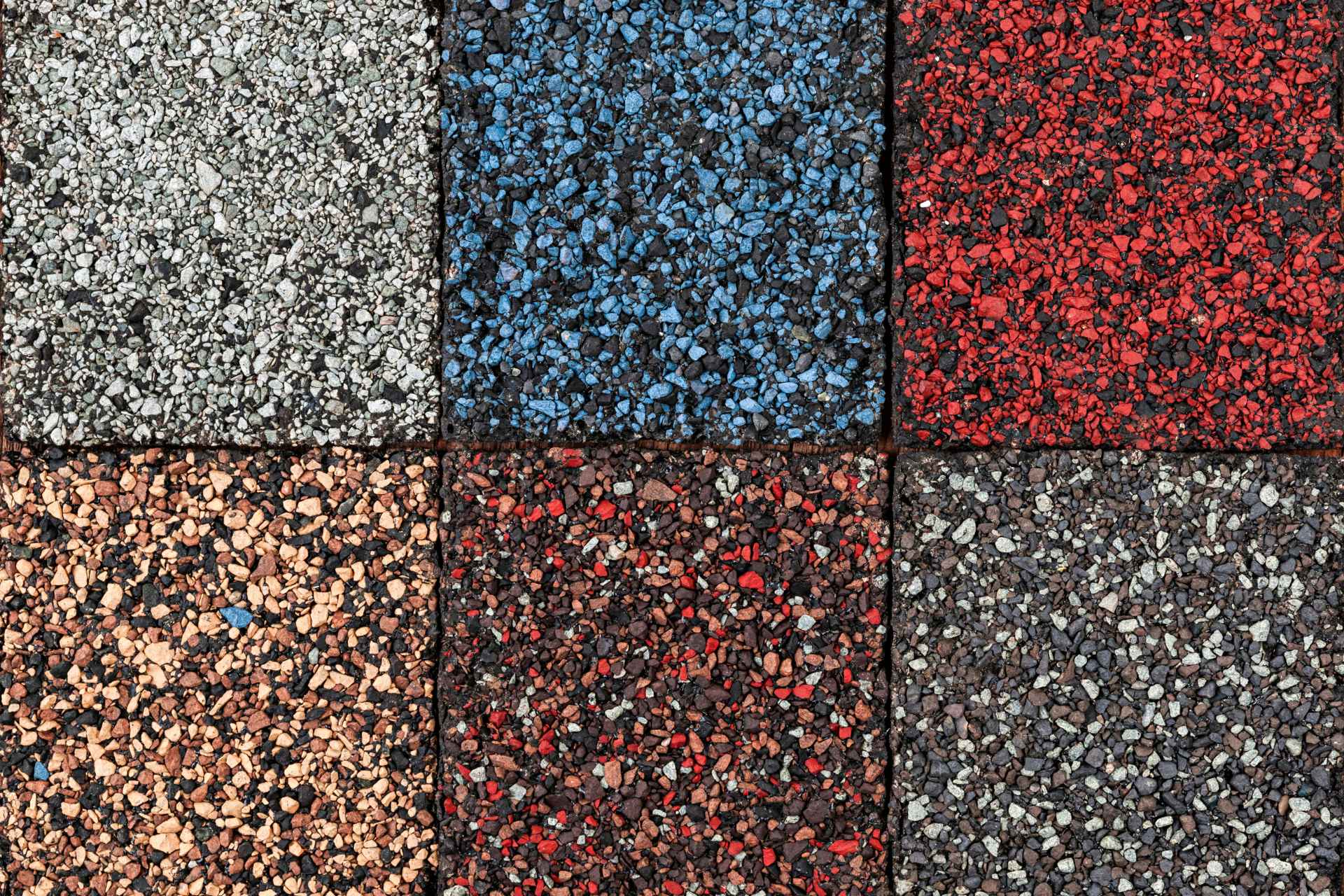
A clean, new roof provides one of the single most dramatic exterior home renovations that boost your home’s curb appeal. It immediately makes the property look newer, better maintained, and superior to comparable listings with worn or discoloured roofs. The aesthetic impact of modern, architectural shingles, which add depth and style through dimensional texture, is undeniable. When combined with other exterior upgrades, a new roof contributes significantly to the overall perceived quality of the house.
Crucially, a brand-new roof removes the buyer’s single greatest point of leverage during the negotiation process. Providing documentation—such as warranty papers, clean invoices, and manufacturer specifications—allows the seller to confidently hold firm on the asking price, directly justifying the investment. This focus on verifiable quality confirms that the right roofing style can elevate your home’s design and value. By eliminating major structural concerns, the home attracts more serious buyers and speeds up the sales cycle, optimizing the home’s final resale value.
Is It the Right Time to Replace Your Roof?
Determining the optimal time for a roof replacement hinges primarily on its remaining life expectancy. If the roof is visibly failing, the decision to replace is straightforward. Visible failure includes displaying curled, cracked, or missing shingles or heavy granule loss. However, replacement before listing is strongly advised even without severe visible damage. This applies if the roof is 15–20 years old and approaching the final five years of its typical lifespan. Inspectors will flag a roof with less than five years of remaining life as an immediate liability. This forces the seller to offer a large credit equivalent to the full cost of the new roof.
The core financial calculation involves comparing three factors: the cost of the replacement, the negotiation leverage lost, and the high risk of a deal collapse. Replacing the roof pre-emptively allows the seller to control the material cost. They can select a quality product and secure a verifiable warranty. This investment prevents the transaction from becoming complicated by insurance or financing roadblocks tied to an aging roof. Sellers must view this strategic move as securing the maximum attainable sale price. It also ensures a smooth closing, rather than aiming solely for a 100% cost recovery.
Securing Your Investment
Investing in a new roof is ultimately a strategic move to maximize your return by de-risking the sale. The benefits are twofold: the investment mitigates major inspection and financing risks, and it actively enhances market desirability through superior aesthetics and structural assurance. While a roof replacement may not yield a 100% immediate return on investment, it is a necessary expenditure that ensures the sale closes smoothly, protects the highest possible list price from being chipped away during negotiation, and maximizes the home’s final resale value. Consult a licensed roofing professional for an honest assessment of your roof’s remaining lifespan and condition before listing the property; making this proactive decision is the most profitable path forward.