Like many aspects of a home your roof has a life expectancy and having to change the roofing on your home is a mandatory procedure that you have to take every now and then, and more urgently if your existing roof is showing signs of wear and tear. Although a roof replacement is a common process, most people will only go through it a couple times in their life, leaving them with questions about the process.
To help answer these questions, we have put together a list of some of the toughest roofing questions we receive.
Why Do Roofs Fail?
This is a tough question to answer with a simple response because there are many reasons that can lead to your roofing needing to be replaced. Your roofing is constantly exposed to the harsh weather conditions, rain, hail, snow, wind and the heat and UV rays from the sun all take a toll on your roofing system. Over time these elements cause your roof to break down and may even lead to it failing. Other reasons for roofs failing include poor materials and faulty installation, both usually resulting in premature failure of your roofing.
Environmental stressors are the most common culprits, as the constant expansion and contraction caused by temperature fluctuations can eventually pull fasteners loose and crack shingle seals. Furthermore, a lack of proper attic ventilation can “cook” your shingles from the inside out, leading to brittle materials that lose their protective granules years before they should. When you combine these natural factors with substandard workmanship, the structural integrity of the roof is compromised, making failure almost inevitable.
Should I Repair or Replace?
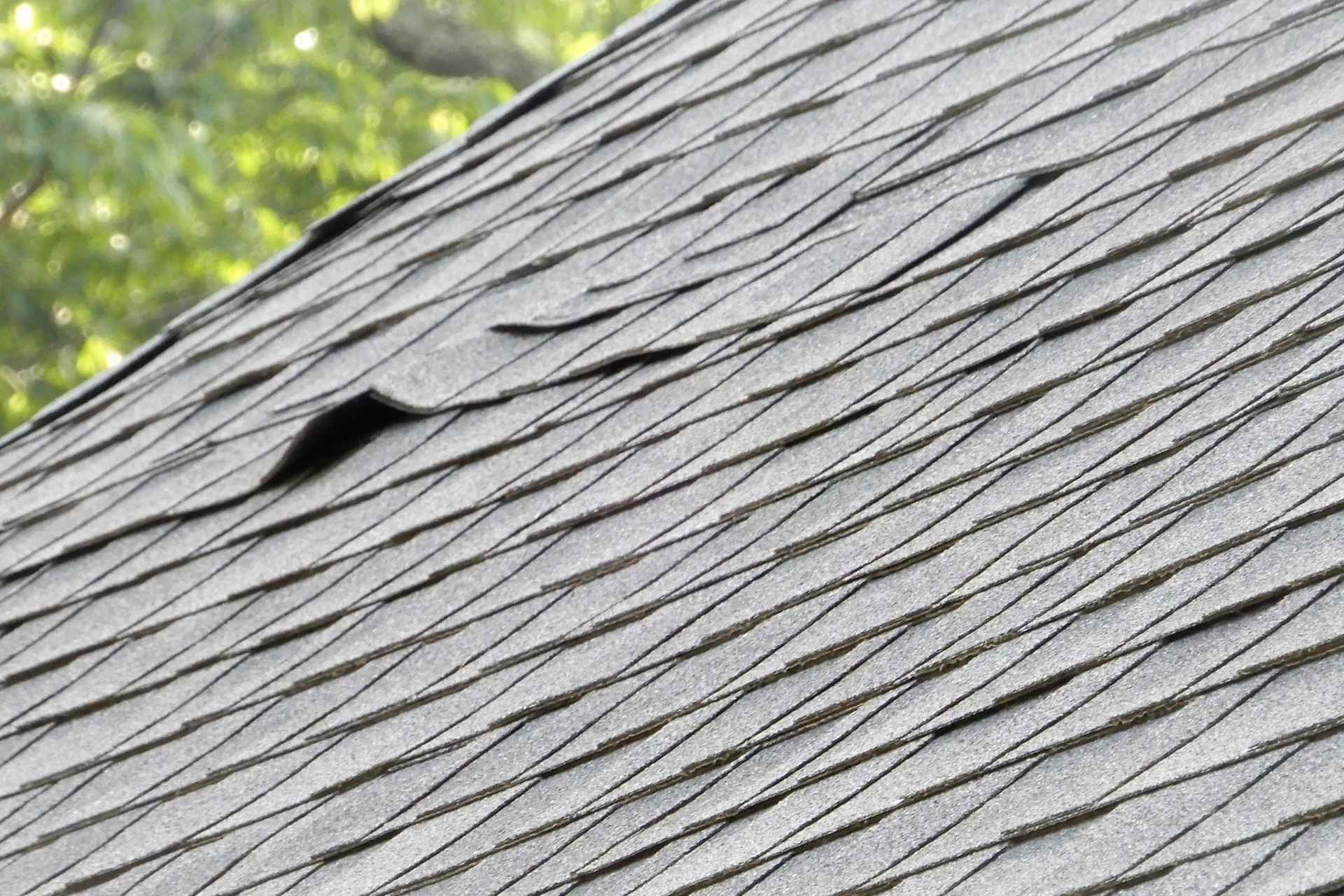
It all comes down to the situation and the overall condition of your roof when deciding whether to repair or replace it. For instance, if a few shingles were lifted during a harsh windstorm, a repair might be the most practical solution. However, if the overall condition of your roof is poor, a complete roof replacement could be the better option in the long run.
Age is often the deciding factor. If your roof is nearing the 20-year mark, sinking money into minor repairs can be like putting a bandage on a much larger problem. You should also consider the “Rule of 25%,” which suggests that if more than a quarter of the roof is damaged, a full replacement is usually more cost-effective than multiple large-scale repairs. A professional assessment can help determine if the underlying roof deck is still healthy enough to support a simple patch or if a total tear-off is necessary to prevent structural rot.
What is the Best Roofing Type?
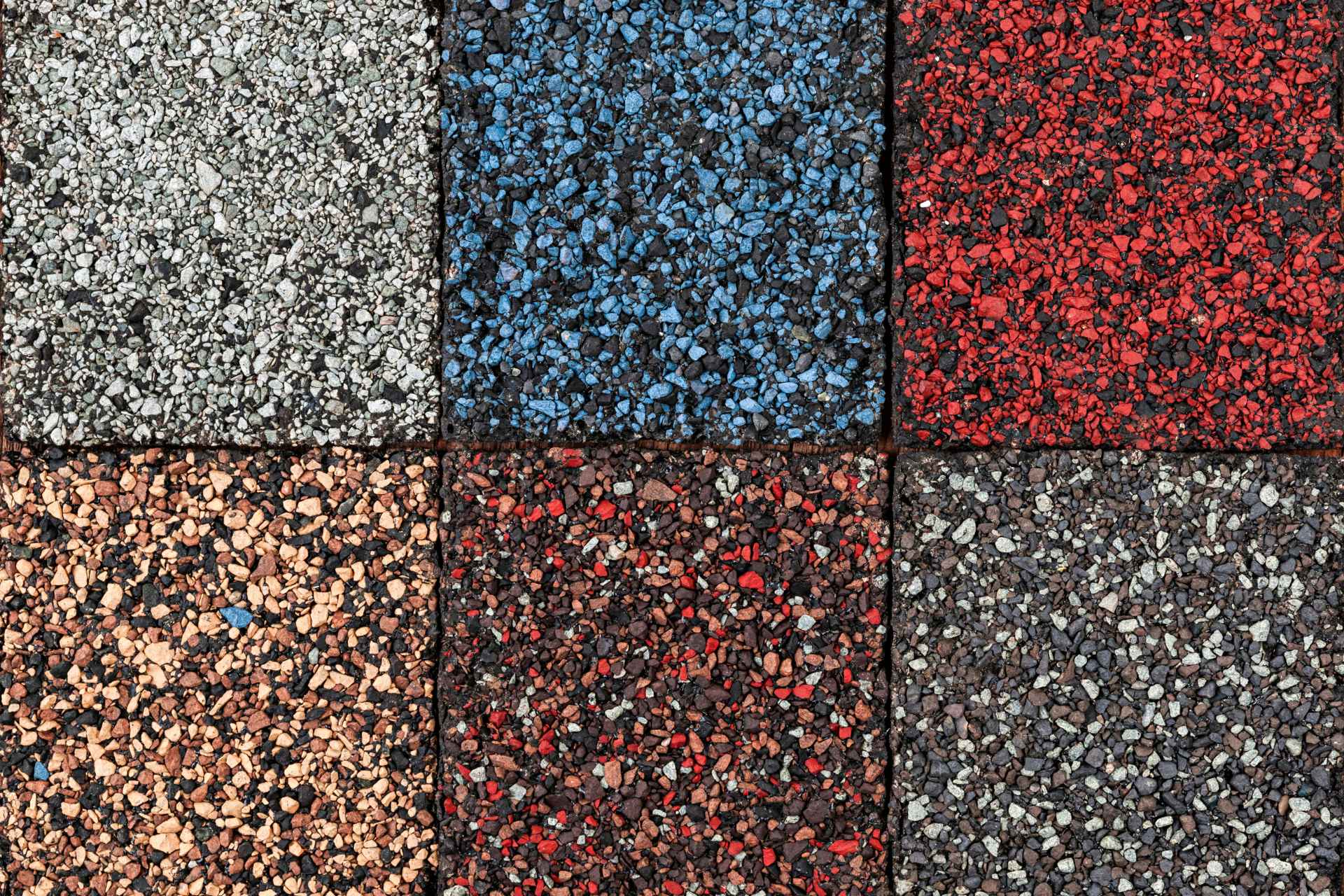
Because of the wide variety of roofing options available, it is hard to say which is the best one overall. Each roof material has their own unique advantages and their own disadvantages as well. Depending on what your living situation is, a contractor will be able to recommend to you the best roofing solution for your needs and budget.
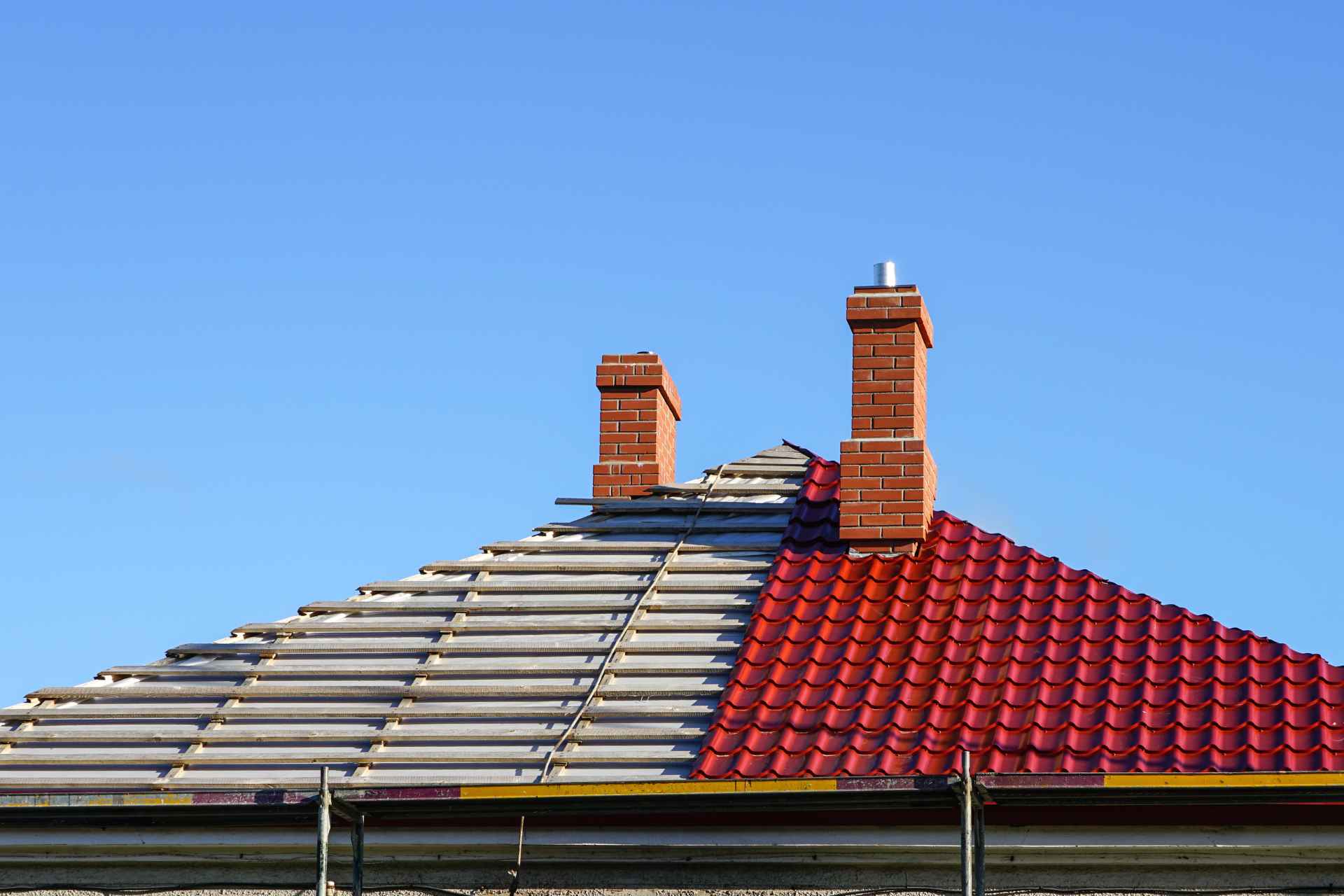
For many homeowners, asphalt shingles remain the “best” choice due to their balance of affordability and aesthetic variety. However, if your priority is maximum longevity and energy efficiency, a metal roofing system might be the superior investment despite the higher upfront cost. The “best” type ultimately depends on how long you plan to stay in the home and how much value you place on factors like fire resistance, environmental sustainability, and impact protection against hail.
Would it be Beneficial to Hire a Contractor?
Long story short, yes it would be beneficial for you and your roof to hire a roofing contractor, but not just any roofing contractor will do. It is important to select a contractor that has strong credentials to support their ability to do the job. With their experience and academic background in this industry, it is far more likely for them to complete the job properly and efficiently than you doing it on your own. Furthermore, hiring a contractor from an established company will guarantee you that your warranty will remain valid especially during the times you need it.
Professional contractors also bring specialized safety equipment and liability insurance to the project, which protects you from the immense risks associated with working at heights. They have access to commercial-grade materials and specialized tools—like magnetic sweeps for fallen nails and heavy-duty debris management—that ensure the job site remains clean and safe. Ultimately, the expertise of a certified team ensures that every detail, from the flashing to the ventilation, is handled with a level of precision that a DIY approach simply cannot match.
Will Homeowner’s Insurance Cover All Roofing Damages?
Homeowner’s insurance can cover some forms of roofing damage, but what is covered depends on your individual policy. In almost all cases, home insurance will not cover any issues that result from the roof being in poor condition. Coverage is typically reserved for “sudden and accidental” events, such as a fallen tree during a storm or significant hail damage that compromises the roof’s function.
In contrast, damage caused by “wear and tear” or deferred maintenance is almost always excluded from standard policies. This is why keeping meticulous maintenance records and inspection reports is so vital; they serve as proof that the roof was in good standing before a storm occurred. Understanding the difference between your policy’s replacement cost value versus its actual cash value will also help you manage expectations regarding out-of-pocket expenses when a claim is filed.
Hopefully the above helped answer some of your roofing related questions. If you have any additional roofing related questions or any questions regarding your current roofing system, contact a local roofing contractor in your area today.