Your roof is one of the most important components of your home. It serves both an aesthetic and a functional purpose, and with the right maintenance, it can last for twenty-five plus years. Because your roof is constantly exposed to the elements, you probably expect damage to your roof is inevitable. However, there will always be signs and pointers that suggest that you need roof repair as soon as possible. If these signs are ignored, the roof may suffer more damage and require a total replacement.
Below are some of the signs that may provide an answer to the question, “How do I know when to replace my roof?”
Leaking Roof
During the fall or spring seasons, a leaking roof is easily detectable and it is a major sign that you just cannot ignore. If you notice water droplets in the interior parts of your home, except in the shower, you should get up to the roof and carry out a proper inspection of your roofing system. Don’t forget to inspect your roof from both the inside and outside, this requires you to inspect your roof from inside your attic and from on top of your home.
When performing an interior inspection, pay close attention to the underside of the roof deck for dark stains or “trails”. These can indicate that water has travelled along the rafters. Often, the actual entry point on the exterior is several feet away from where the drip appears on your ceiling. Identifying these leaks early prevents the growth of toxic mould and protects your attic insulation from becoming saturated, which can significantly drive up your heating and cooling costs.
Missing or Damaged Roof Shingles
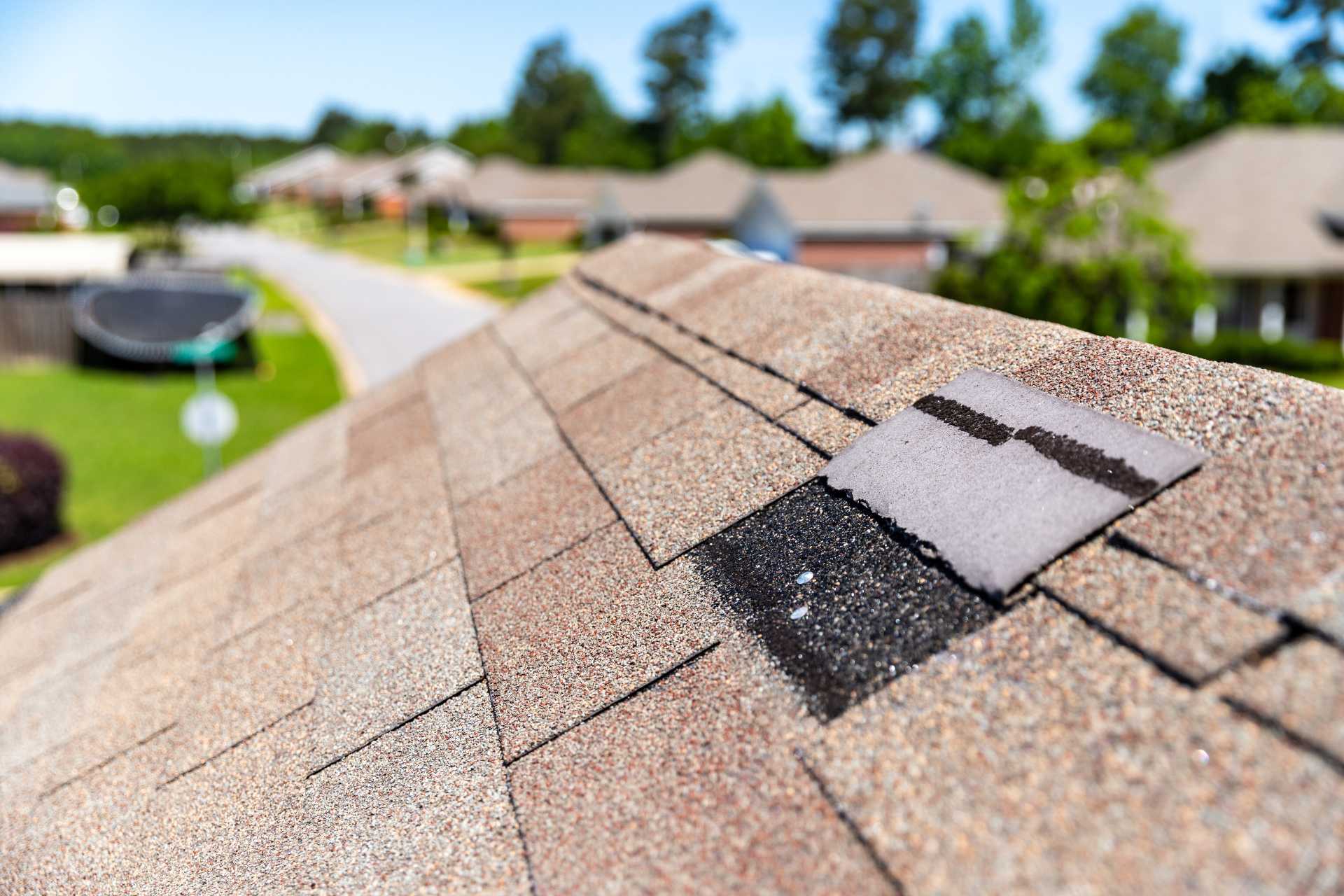
Checking for signs of damage to your roofing system also depends on the kind of roof you have. If your roof is comprised of asphalt shingles, which overlap each other, one of the first signs you should watch out for is missing or damaged shingles. If you discover that any of the shingles on your roof are missing or damaged, you should replace them ASAP.
Even if a shingle is still attached, look for “bruising” or a significant loss of protective granules. These bald spots leave the underlying asphalt mat vulnerable to UV damage. When shingles are missing or cracked, the waterproof underlayment and wooden sheathing are directly exposed to the elements. This can lead to rapid rot and structural weakening. Replacing individual shingles is a simple, cost-effective repair that can prevent the need for a premature and expensive full-scale replacement.
Peeling Wall Paints
Wall paint can also serve as good whistleblowers because the paint begins to lose its original colour due to water that has accumulated from leaks due to a damaged roof. If you notice that your painted walls begin to look different, you should check out your roof and schedule a repair as soon as you can.
This peeling or bubbling usually happens because moisture has penetrated the wall cavity and is trying to evaporate through the drywall, causing the paint’s adhesive bond to fail. In many cases, this is a symptom of a “slow leak” or improper attic ventilation that allows condensation to build up behind the scenes. If left unaddressed, the hidden moisture will eventually lead to the decay of your home’s structural studs. As a result, it creates an environment where mould can thrive undetected behind your wallpaper or paint.
Old Roof
Roofs or roofing systems that have been in use for a long time will get worn out and have underlying problems that may require professional attention. If your roof is over 25 years old, you should have a professional complete a yearly inspection and have any concerns addressed right away. It may also be a good time to begin making plans to have your roof replaced.
As a roof enters its third decade, the materials become increasingly brittle and less capable of withstanding the rapid expansion and contraction caused by seasonal temperature changes. An aging roof is also more prone to “silent” failures, where the seals around flashing and vents dry out and crack, even if the shingles appear intact from the ground. Transitioning into a planned replacement allows you to choose your materials and contractor on your own timeline, rather than reacting to a catastrophic failure during a storm.
Clogged Gutters
Gutters are designed to collect all of the water that comes off your roof and direct this water away from your home versus just allowing it to fall free of the roof and all around the exterior of your home. If you observe that your gutters are frequently being clogged, it could be an indicator that your roof and gutter may need repair or adjustment.
One major red flag to look for when cleaning your gutters is an abundance of sand-like granules. This is a clear sign that your shingles are disintegrating and losing their protective coating. Clogged gutters also cause water to “wick” backward under the edge of your roof, leading to rotted fascia boards and the formation of ice dams in the winter. . Ensuring your drainage system is clear protects not only your roofline but also your foundation—averting the need for costly basement underpinning—by preventing soil erosion and basement flooding.
Takeaway
These are just a few of the signs that should prompt you to address your roof sooner rather than later. If you observe any irregularities, it’s important to consider whether to repair or replace your roof. You can call your local roofing company or roofing expert to inspect your roof and help you decide on the best course of action to repair any issues or plan for a replacement if necessary.