As the Canadian landscape finally shakes off the last of the winter frost, homeowners across the country are turning their attention to outdoor chores. We swap our snow shovels for garden rakes and begin the process of auditing our home’s exterior. However, while we often look at the windows and the lawn, the most critical part of your home’s defense is likely the one you can’t see clearly from the sidewalk. After months of heavy snow loads, ice damming, and sub-zero temperatures, prioritizing a professional spring inspection and maintenance routine with a reputable professional roofing company for a thorough evaluation is more than just a maintenance task—it is a protective measure for your entire property.
The transition from the frozen winter to the humid, rainy spring is a high-stress period for a house. Just as a homeowner might invest in basement underpinning to ensure the structural integrity of their foundation against shifting soils, a roof requires a similar level of structural scrutiny. The weight of winter snow and the constant freeze-thaw cycles can create tiny fissures in your shingles that only become apparent when the heavy spring rains begin. This guide is designed to help you navigate the essential steps of seasonal care.
The Quick Edit: Key Takeaways
- The “Invisible” Damage: Winter ice often compromises the thermal sealant strips of shingles, leaving them vulnerable to wind uplift.
- Granule Health: Excessive stone loss is a primary indicator that the asphalt mat is nearing the end of its life.
- Proactive vs. Reactive: A small flashing repair in May is significantly cheaper than a full interior renovation following a July flood.
Step 1: The Visual Inspection Checklist
A proper spring inspection is about more than just looking for missing shingles. It is a deep dive into the physical health of the material. To conduct a thorough “audit” of your roof’s condition, follow these specific checkpoints:
Check for Granule Loss
One of the first things a professional looks for is granule loss. These small, stone-like particles are the first line of defence for an asphalt shingle. They reflect UV rays and provide a wear layer that protects the underlying bitumen from the elements. If you notice a large accumulation of these granules in your gutters or at the base of your downspouts, it is a sign that your shingles are “balding.” Without these granules, the asphalt becomes brittle, cracks, and eventually fails to shed water.
Examine Valleys and Penetrations
An inspection must look at the “valleys”—the areas where two roof planes meet—and “penetrations,” such as plumbing stacks, chimneys, and vents. In Canada, these spots are where ice tends to sit the longest. The expansion of ice can pry metal flashing away from the roof deck, creating a direct path for water to enter the attic. By identifying these gaps during a calm spring day, you can avoid the panic of a sudden ceiling leak during a midnight downpour.
Step 2: Maintenance Essentials for Shingle Resilience
Once the inspection is complete, the focus shifts to active maintenance. For shingles to perform correctly, the environment around them must be managed.
Gutter and Drainage Clearance
If your eavestroughs are clogged with winter debris, water will back up and sit under the bottom row of shingles. This constant moisture leads to wood rot along the roof’s edge and can even compromise the fascia boards. Clearing these paths allows the roof to shed water efficiently.
Organic Growth Removal
Moss and algae aren’t just cosmetic issues; they are biological agents that trap moisture against the shingles. In the Canadian climate, this trapped water can freeze overnight during a late spring frost, prying the shingle layers apart. Gently cleaning these areas and ensuring that overhanging tree branches are trimmed back to allow sunlight and airflow will significantly extend the life of your asphalt system. It’s about creating an environment where the shingles can stay dry and stable.
Step 3: Troubleshooting – When to Call the Pros
There comes a point where no amount of cleaning or minor patching can save an aging roof. It is vital to recognize when your roof needs to be repaired as soon as possible or if you have crossed the line into needing a full replacement.
The “Point of No Return” Signs
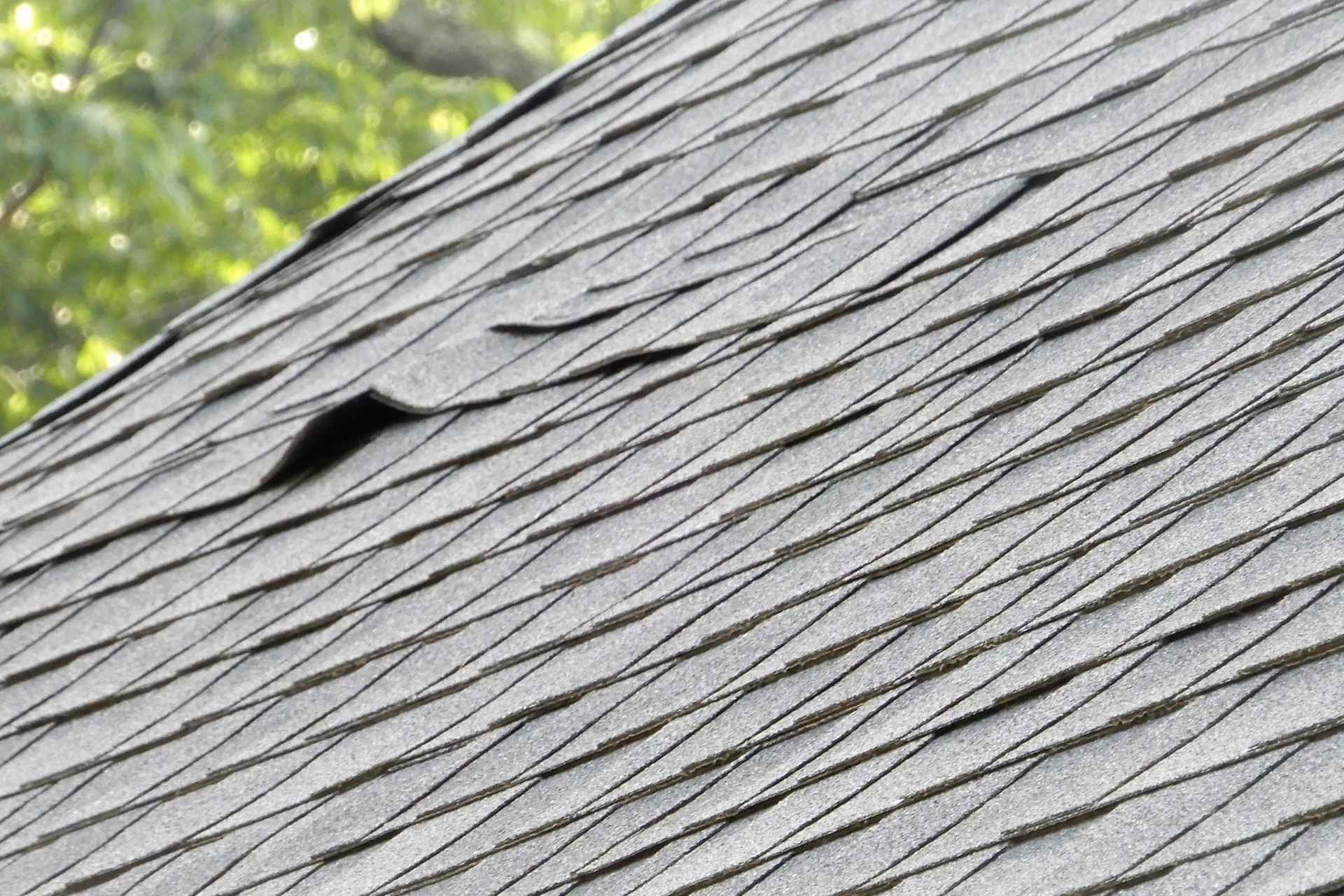
- Curling or Cupping: If shingle edges are turning upward, the asphalt has fundamentally lost its flexibility.
- Missing Shingles: Gaps in the “armour” leave your roof deck exposed to immediate rot.
- Internal Leaks: Water spots on the ceiling or moisture in the attic are signs that the barrier has already been breached.
Investing in a full roof replacement is often a difficult financial pill to swallow, but it is a strategic move. Homeowners who try to “limp along” with an old roof often end up paying for five or six expensive service calls over a few years, only to have to replace the roof anyway. By being honest about the condition of the material, you save yourself the secondary costs of water damage, such as mould remediation and drywall repair.
Step 4: Understanding Environmental Stressors
To maintain your roof effectively, you must understand how different weather conditions affect your roof over time. In Canada, we don’t just deal with rain; we deal with a cycle of extreme stressors:
| Weather Condition | Effect on Shingles |
|
Heavy Snow/Ice
|
Compresses shingles and can pry up flashing through ice damming. |
|
UV Exposure
|
Dries out the essential oils in the asphalt, leading to cracking. |
|
High Winds
|
Tests the mechanical bond of the nails and the strength of the sealant strips. |
|
Spring Rain
|
Drives moisture into existing micro-cracks, accelerating interior rot. |
Because these stressors are constant, the “age” of a roof is often less important than its “condition.” This variability is why the spring inspection is so important. It allows you to see how your specific microclimate has treated your home over the last twelve months.
Investing in Peace of Mind
Spring is a season of renewal, but it is also a season of preparation. The clouds of May and June are coming, and they will bring the ultimate stress test to your home. By taking the time to engage with a professional roofing company now, you are choosing to be in control of your home’s destiny. You aren’t waiting for a catastrophe to tell you that your shingles are failing; you are making that determination on your own terms.
Whether your inspection reveals that you simply need a gutter cleaning or that your roof needs to be repaired ASAP, acting now is the smartest financial move you can make. Remember that your roof is the lid on your most valuable box. Everything inside—your family, your memories, and your financial security—depends on that lid staying tight. Treat your spring inspection and maintenance with the seriousness it deserves, and you can enjoy the warmer weather knowing that your home is ready for whatever the Canadian sky decides to drop.