When homeowners plan major exterior upgrades, few decisions matter as much as the roof. It heavily influences both daily protection and visual character. A well-planned window replacement transforms indoor comfort, natural light, and exterior symmetry. Similarly, upgrading an aging roof immediately refreshes a home’s entire architectural profile. Ask any established roofing company which material dominates modern installations, and the answer is almost universally architectural shingles.
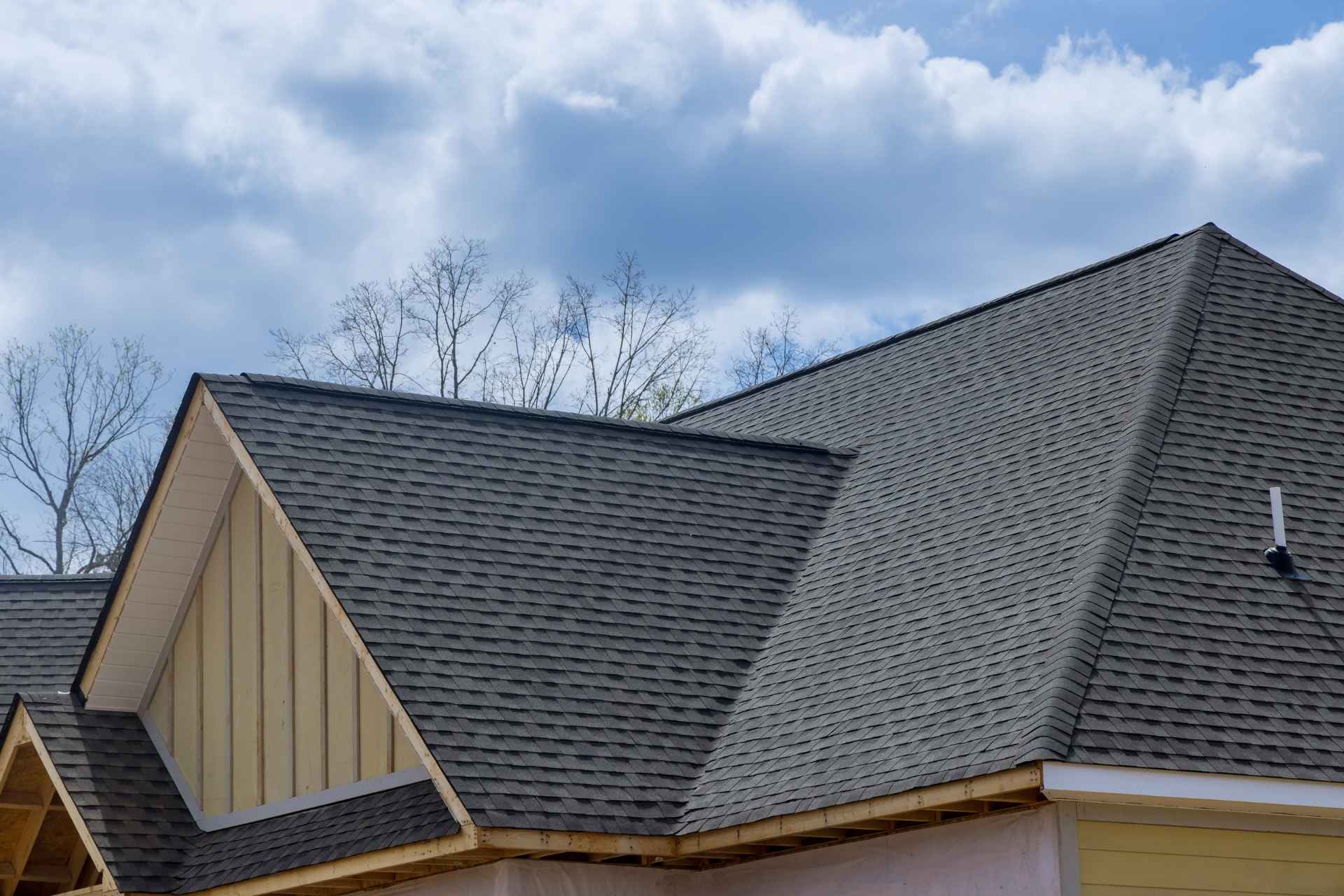
Also known as dimensional or laminated shingles, they have largely replaced flat, traditional three-tab asphalt shingles across suburban neighbourhoods and custom builds alike. Manufacturers engineer them with multi-layered fibreglass mats, heavier asphalt coatings, and sculpted shadow lines. This design bridges the gap between affordable asphalt roofing and high-end natural materials like cedar shake or quarried slate. To see why they remain one of the smartest investments in residential remodelling, it helps to look at how they are constructed, how long they last, and why buyers actively look for them.
The Quick Edit
- Multi-Layered Durability: Built from two or more laminated fibreglass-asphalt layers, architectural shingles weigh roughly 50% more than traditional three-tab shingles, providing superior impact and wind resistance.
- Extended Lifespan: Most architectural shingle roofs deliver 30 to 50 years of reliable service—nearly double the lifespan of entry-level three-tab options.
- High-End Curb Appeal & ROI: Deep shadow bands replicate the rich texture of wood shake or natural slate at a fraction of the cost, consistently ranking among the top exterior upgrades for resale return.
How Architectural Shingles Are Constructed
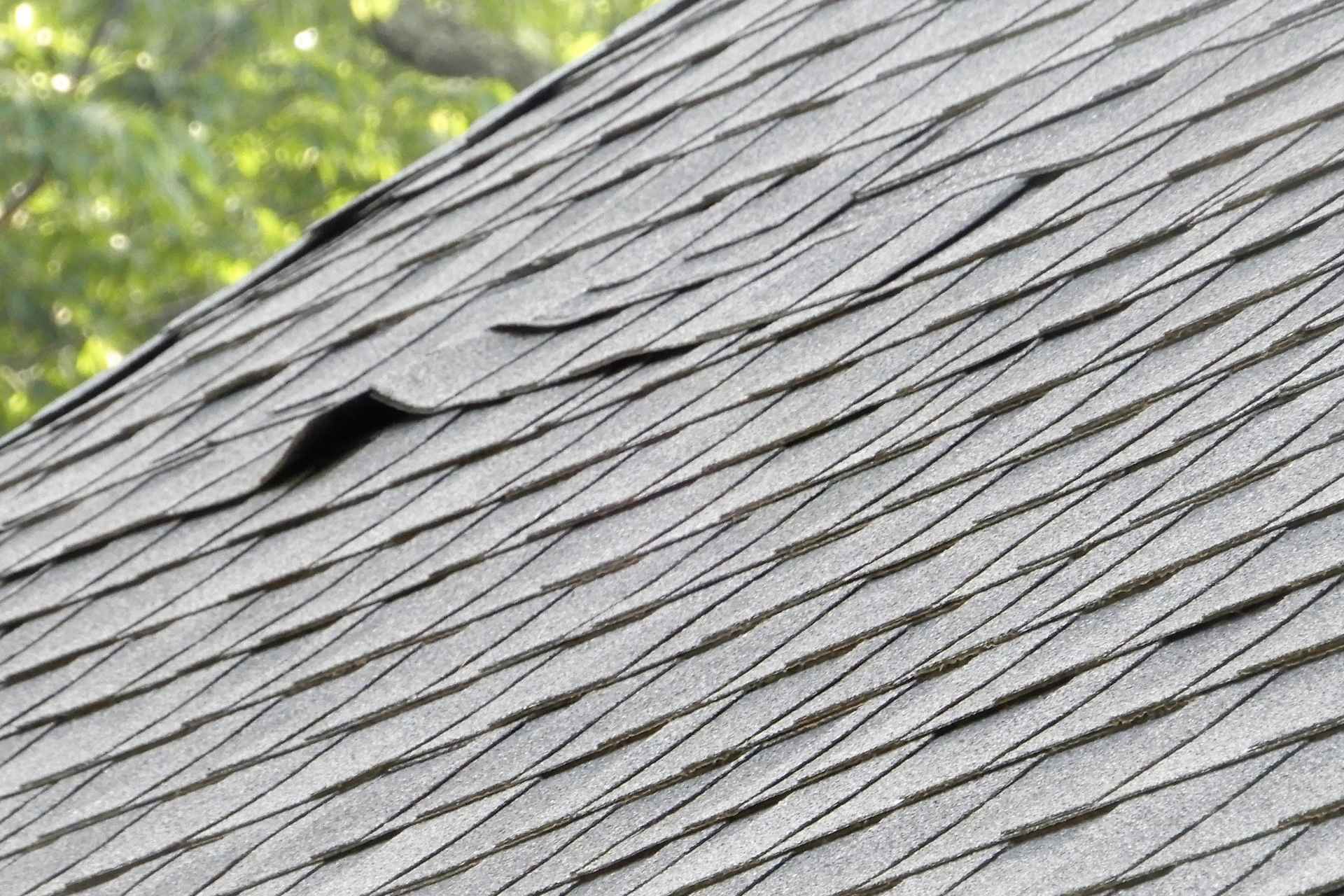
To understand why architectural shingles outperform older asphalt roofs, it helps to look at how the two styles are manufactured. Traditional three-tab shingles are stamped from a single, flat layer of fibreglass mat coated in asphalt and ceramic granules. They feature uniform cutouts that create a repetitive, brick-like pattern across the roof. Because they consist of just one thin sheet, three-tab shingles are lighter. This makes them more prone to curling at the edges and vulnerable to tearing during high-wind storms.
When comparing different types of roof shingles, architectural shingles stand apart due to their laminated, multi-dimensional construction:
- Heavy-Duty Fibreglass Base Mat: Manufacturers start with a dense, tear-resistant woven fibreglass mat. They saturate this base with oxidized waterproofing asphalt for added durability.
- Laminated Dual-Layer Design: Extra strips of asphalt-coated fibreglass are bonded directly onto the base shingle in varying widths and shapes. This creates genuine physical thickness rather than just an optical illusion.
- Polymer-Modified Asphalt & Ceramic Granules: Many modern architectural lines incorporate rubberized polymers (SBS) for flexibility in freezing temperatures. They are topped with UV-blocking ceramic-coated mineral granules that resist algae streaking and sun degradation.
- Reinforced Nailing Zones: Premium dimensional shingles feature wide, double-layered nailing strips. These strips anchor fasteners tightly into the roof deck, preventing nail pull-through under extreme uplift pressure.
Key Performance Benefits for Homeowners
Beyond their heavier build, architectural shingles offer distinct protective advantages that matter year after year:
1. Superior Wind Uplift Resistance
Architectural shingles weigh substantially more per square than flat three-tab shingles. They also bond together using thick, thermally activated asphalt sealant strips, allowing them to hug the roof deck tightly during severe storms. Standard architectural shingles carry wind warranties ranging from 110 mph up to 130 mph when installed with specified starter strips and six-nail fastening patterns. This combination dramatically reduces the risk of missing tabs or storm blow-offs.
2. Class A Fire Safety Rating
Most high-grade fibreglass architectural shingles achieve a Class A fire rating, which is the highest residential fire resistance classification available. Natural wood shakes require chemical treatments and remain vulnerable to windblown embers. In contrast, fibreglass-core dimensional shingles provide a non-combustible barrier that helps protect your home during dry weather or neighbourhood fire events.
3. Effective Concealment of Minor Deck Imperfections
On older homes, plywood sheathing or rafters often settle slightly over the decades. Thin, flat shingles telegraph every slight wave and dip across the roofline. Architectural shingles feature a thick, multi-layered profile and varied tab thickness. This naturally masks minor framing irregularities, giving older roofs a crisp, uniform appearance.
Lifespan: How Long Do Architectural Shingles Last?
While entry-level three-tab shingles typically require replacement after 15 to 20 years, architectural shingles routinely last 30 to 50 years, depending on product tier, local climate, and attic ventilation quality.
- Standard Architectural Shingles: Typically backed by 30-year to lifetime limited prorated warranties, delivering roughly 25 to 35 years of real-world service in variable climates.
- Heavyweight Designer / Luxury Architectural Shingles: Ultra-thick laminated shingles engineered to replicate thick hand-split cedar or sculpted slate often carry 50-year warranties and endure for 40 years or more when paired with balanced attic airflow and routine gutter maintenance.
Because you avoid paying for an entire second tear-off and installation twenty years down the road, architectural shingles almost always deliver a lower cost per year of ownership than cheaper entry-level materials.
Curb Appeal and Property Value ROI
A roof accounts for up to 40% of a home’s visible exterior surface area. Upgrading from worn, flat shingles to thick dimensional shingles transforms a dated exterior into a richly textured focal point.
Manufacturers blend multiple complementary granule shades—such as weathered wood, charcoal slate, warm driftwood, and deep forest tones. They pair these colours with staggered tab cutouts that cast authentic shadow lines as the sun moves across the sky. This added depth gives suburban residences the bespoke elegance of natural slate or cedar shake. Best of all, homeowners get this upscale look without the heavy structural load, fire risk, or intensive upkeep those natural materials demand.
From a financial standpoint, replacing an aging roof with architectural shingles consistently ranks among the exterior home renovations that give you the highest ROI. Real estate appraisers and prospective buyers view a newer dimensional roof as a major turnkey asset—eliminating immediate capital expense worries, lowering homeowner insurance premiums in storm-prone regions, and boosting curb appeal from the moment buyers pull up to the curb.
Choosing the Right Architectural Shingle for Your Home
Selecting the ideal shingle style comes down to matching colour, profile, and performance ratings to your home’s architecture and climate:
- Coordinate with Exterior Elements: Choose shingle tones that pull subtle accent colours from your brick, stonework, siding, or trim rather than matching wall colours identically. Cooler charcoal and slate greys pair cleanly with white, blue, or stone facades, while warm browns and weathered wood tones complement beige, red brick, and earth-toned exteriors.
- Look for Algae-Resistant Granules: In humid or shaded regions, specify shingles infused with copper-lined granules (often labelled StainGuard or StreakFighter) to prevent unsightly dark blue-green algae streaks.
- Verify Impact Ratings in Hail Zones: If your area experiences frequent hailstorms, look for Class 4 impact-resistant architectural shingles, which absorb hail strikes without fracturing and often qualify for annual insurance discounts.
A Lasting Investment in Style and Protection
Architectural shingles earn their place as the gold standard of residential roofing by combining rugged structural durability with unmistakable visual depth. With multi-layered wind and fire protection, a lifespan stretching three to five decades, and timeless shadow-line textures, they remain one of the smartest roofing styles that elevate the design and value of a house—protecting your investment while elevating curb appeal for years to come.