Maintaining a home requires balancing several competing maintenance priorities across the exterior envelope to avoid costly repairs down the road. When homeowners update their exterior, pairing a scheduled window replacement project with a professional inspection from a trusted local roofing company ensures all primary seals, flashings, and wall transitions remain watertight. Taking a holistic approach prevents unseen water intrusion from destroying fresh interior finishes.
While catastrophic storm damage immediately demands attention, the most financially damaging roof issues usually begin as microscopic defects. A single missing shingle granule, a cracked rubber pipe boot, or a backed-out fastener can silently leak water into your attic for months before dripping onto a living room ceiling.
Understanding how minor roof defects escalate into major financial burdens empowers homeowners to take action early, preserving structural safety and household budgets.
The Quick Edit
- The Escalation Path: Minor surface breaks allow water to creep beneath shingles, saturating underlayment, rotting plywood sheathing, and soaking attic insulation.
- Hidden Secondary Costs: Unaddressed leaks lead to structural timber rot, toxic interior mould remediation, higher winter heating bills, and damaged drywall.
- Financial Protection: Conducting bi-annual seasonal inspections and fixing minor defects early saves thousands of dollars compared to emergency building restorations.
The Invisible Lifecycle of a Roof Leak
A roof leak rarely starts as a sudden torrent of water pouring into your living room. Instead, it follows a slow, progressive lifecycle that operates completely out of sight.
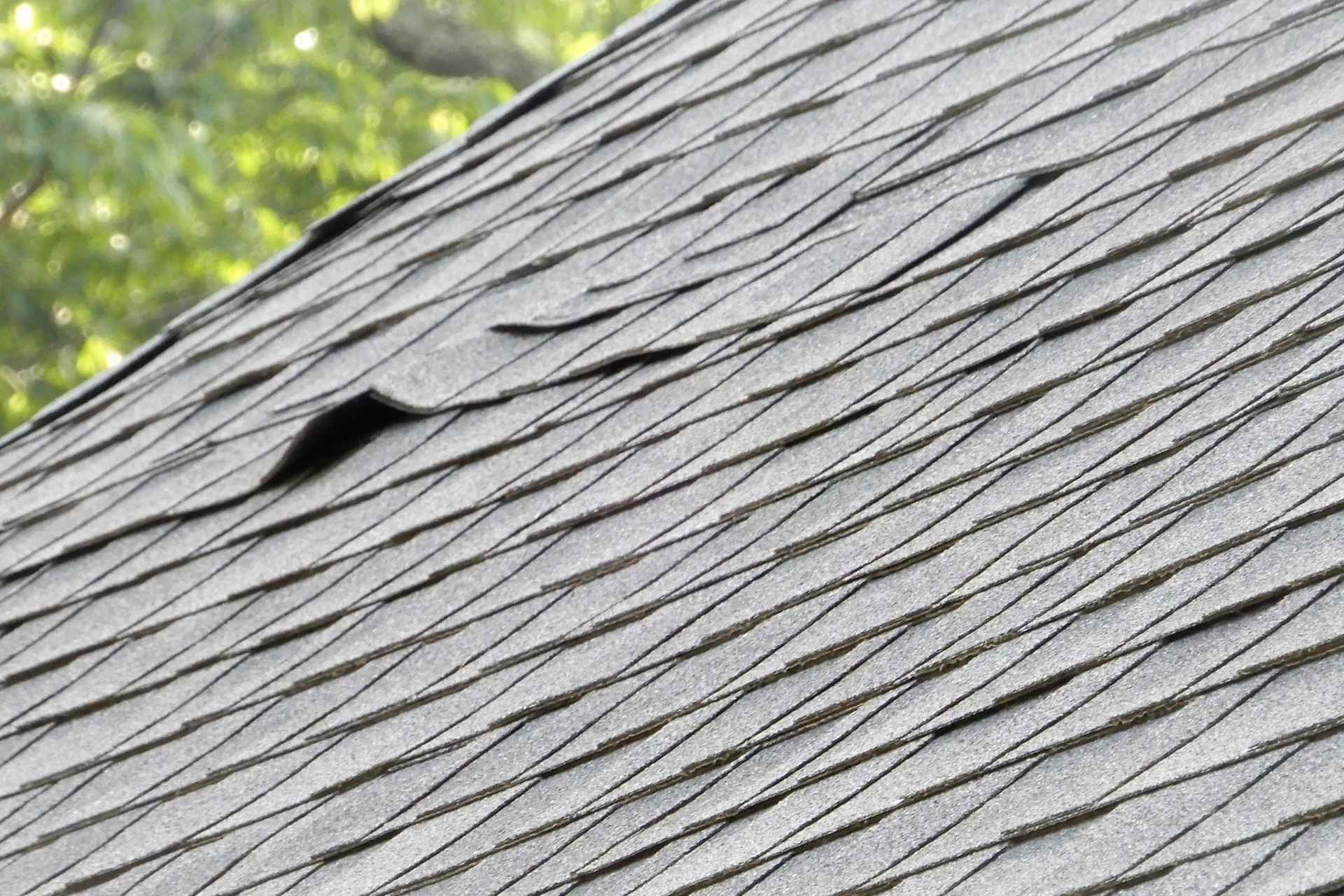
It begins when a minor surface defect occurs on the outer cladding layer. Heavy winds might lift the corner of a shingle, or solar UV rays might crack the rubber collar around a plumbing vent stack. At this initial stage, the defect seems insignificant and easy to ignore.
During the next rainfall, gravity pulls water through the surface break. The water bypasses the primary shingles and pools on top of the underlying synthetic felt membrane. While underlayments provide short-term backup protection, prolonged contact with standing water degrades their waterproofing coatings.
Eventually, water penetrates the underlayment and reaches the structural plywood decking. The wood fibres absorb the moisture like a sponge. As the wood saturates, it swells, softens, and loses its structural strength, creating ideal conditions for fungal wood decay.
Once the wood deck is fully saturated, gravity draws the water down into the attic space. The moisture drips directly into the loose-fill or batt insulation below, dampening ceiling drywall and creating visible water stains inside your home.
Secondary Damage: The True Cost of Neglected Leaks
The cost of fixing a roof leak extends far beyond replacing a few damaged surface shingles. When water enters a building envelope, it creates secondary damage across multiple structural systems.
1. Insulation Degradation and Energy Spikes
Attic insulation relies on trapped air pockets to resist thermal heat flow. When water saturates fibreglass batts or blown-in cellulose, the trapped air pockets collapse. Wet insulation loses its thermal resistance almost completely.
During winter, indoor heat escapes rapidly through the damp attic space, forcing your furnace to work harder and driving up monthly utility bills.
2. Structural Decking and Truss Rot
Water pooling on plywood decking rots the wood from the top down. Over time, saturated decking sags under normal roof loads, creating low spots that hold even more standing water.
If water reaches the structural roof trusses below, replacing rotted load-bearing timbers leads to costly repairs that require complex structural engineering work.
3. Mould and Air Quality Contamination
Damp, dark attic spaces with minimal airflow provide ideal environments for toxic mould spores to multiply. Mould can establish colonies within 24 to 48 hours of water exposure.
Once established inside the attic, mould spores travel into living spaces through HVAC return ducts and ceiling light fixtures, compromising indoor air quality and creating health hazards for your family.
4. Electrical and Drywall Destruction
Water travelling along attic joists eventually finds electrical junction boxes and ceiling light fixtures, creating short-circuit hazards and potential fire risks. As water accumulates on top of ceiling drywall, the drywall softens, bows downward, and eventually collapses under the weight of trapped water.
Comparing Financial Outcomes: Early Fix vs. Delayed Restoration
The financial difference between addressing a roof defect early versus delaying repairs is dramatic. Understanding how different weather conditions affect your roof over time helps illustrate why waiting for severe weather to pass always leads to costly repairs.
A minor issue—such as replacing a cracked pipe boot collar or re-securing a lifted shingle—typically takes a professional installer less than two hours to complete. Addressing the problem at this stage requires minimal materials and prevents water from reaching the interior deck.
Conversely, ignoring that same minor defect for a year or two allows water to saturate three sheets of plywood decking, ruin 200 square feet of attic insulation, and create widespread mould growth on roof trusses.
Restoring the home now requires:
- Removing multiple courses of surrounding shingles to expose the damage.
- Cutting out and replacing rotted plywood decking sheets.
- Removing and disposing of contaminated, water-logged attic insulation.
- Executing professional mould remediation across the attic framing.
- Replacing water-damaged interior ceiling drywall and repainting the room.
What began as a quick $250 surface maintenance task quickly escalates into an $8,000 to $15,000 structural restoration project.
Protecting Property Value and Maximizing Renovation ROI
Maintaining your roof in peak condition directly impacts your home’s total financial equity. When planning home updates, focusing on fundamental exterior protection ensures high financial returns.
Investing in core building envelope improvements consistently ranks among the renovations that give the highest ROI, as prospective buyers place a massive premium on homes with sound, leak-free roofs and updated insulation.
Deciding Between Repairing or Replacing Your Roof
When facing ongoing roof issues, homeowners often struggle when deciding between repairing or replacing their roof.
A localized repair is ideal when the overall roofing system is relatively young, the shingles remain pliable, and the water intrusion is isolated to a single, identifiable penetration or physical impact site.
However, if your roof is nearing the end of its design life, displays widespread granule loss, or has suffered chronic leaks in multiple areas, patching individual spots becomes an expensive band-aid.
In these cases, investing in a complete roof replacement delivers a fresh manufacturer warranty, restores full energy efficiency, and eliminates the risk of hidden secondary damage.
Proactive Maintenance Preserves Equity
Small roof defects are cheap to fix, but ignoring them carries an extraordinary financial penalty that turns minor issues into costly repairs. By taking a proactive approach to roof care, conducting bi-annual inspections, and fixing minor seal failures immediately, homeowners prevent hidden water intrusion from causing widespread structural rot, mold growth, and high utility bills. Protecting your roof deck today safeguards your home, preserves your equity, and gives you complete peace of mind through every season.