As the last of the snow finally disappears in April 2026, Canadian homeowners are often surprised to find their gutters filled with a coarse, sand-like “dust.” While it may look like simple dirt or silt washed down from the peaks, this sediment is actually the protective ceramic layer of your asphalt shingles. Identifying the source of this granule loss is a critical part of spring maintenance. Many residents choose to consult a professional roofing company at this stage to determine if their shingles have suffered mechanical damage or if the material has simply reached the end of its functional life.
From a property value perspective, a real estate agent would advise that the condition of your roof is one of the first things a home inspector examines. A roof that is shedding its protective granules prematurely can become a major liability during a home sale or a refinancing appraisal. Buyers in 2026 are increasingly wary of hidden costs, and a “balding” roof is a significant red flag. Understanding the difference between “scouring” and “baldness” is essential for making an informed decision about the future of your home’s exterior.
The Science of Asphalt Granules
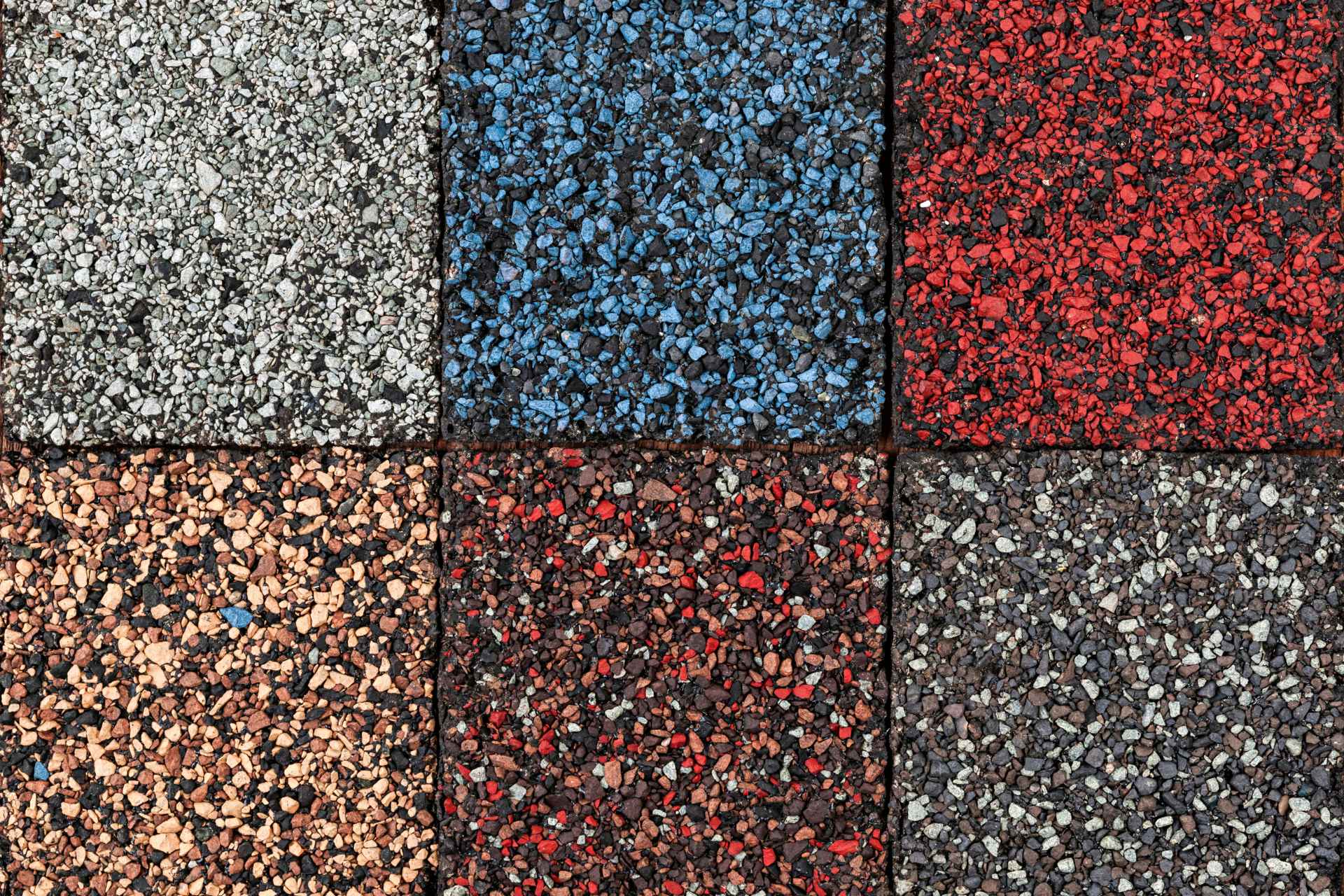
Asphalt shingles are not just slabs of bitumen. They are complex layers of fibreglass matting, asphalt oils, and ceramic-coated mineral granules. These granules serve as the “sunscreen” for your home. They reflect UV rays, provide fire resistance, and give the shingle its colour and texture. When these granules fall off, the underlying asphalt is exposed to the elements. This exposure causes the oils to dry out and the shingles to become brittle, which can significantly shorten the lifespan of your roof.
Without this mineral shield, the asphalt matting begins to “bake” in the sun. This leads to a process called “alligatoring,” where the surface cracks like a dried riverbed. Once these cracks form, the shingle can no longer shed water effectively. In the context of a Canadian spring, where heavy rains are frequent, a roof without its granules is essentially a sponge waiting to fail.
Identifying “Scouring” from Winter Storms
“Scouring” is a type of mechanical damage. It occurs when external forces physically strip the granules off the asphalt mat. In early 2026, many parts of Canada experienced heavy, wet snow followed by rapid freezing. This creates the perfect environment for scouring. When massive sheets of snow slide off a steep roof pitch, the friction acts like sandpaper, pulling granules down into the gutter system.
Similarly, ice dams can cause significant scouring. As ice expands and contracts near the eaves, it grips the granules and tears them away from the shingle. If you find large concentrations of granules in only one or two areas—such as beneath a valley or near a dormer—it is likely the result of the different weather conditions that affect the roof during a volatile winter. In these cases, the shingle itself may still be in good chemical health, but the “protective coat” has been physically rubbed off by the movement of ice and snow. This is an acute injury to the roof rather than a chronic illness.
Identifying “Baldness” and Natural Aging
“Baldness” is a chemical failure rather than a mechanical one. As asphalt shingles age, the oils that act as an adhesive for the granules begin to evaporate. This process is known as “volatilization.” Once the asphalt loses its grip, the granules simply fall away under the force of gravity or light rain. You may notice that the shingles feel “bony” or stiff to the touch, indicating that the core flexibility of the material is gone.
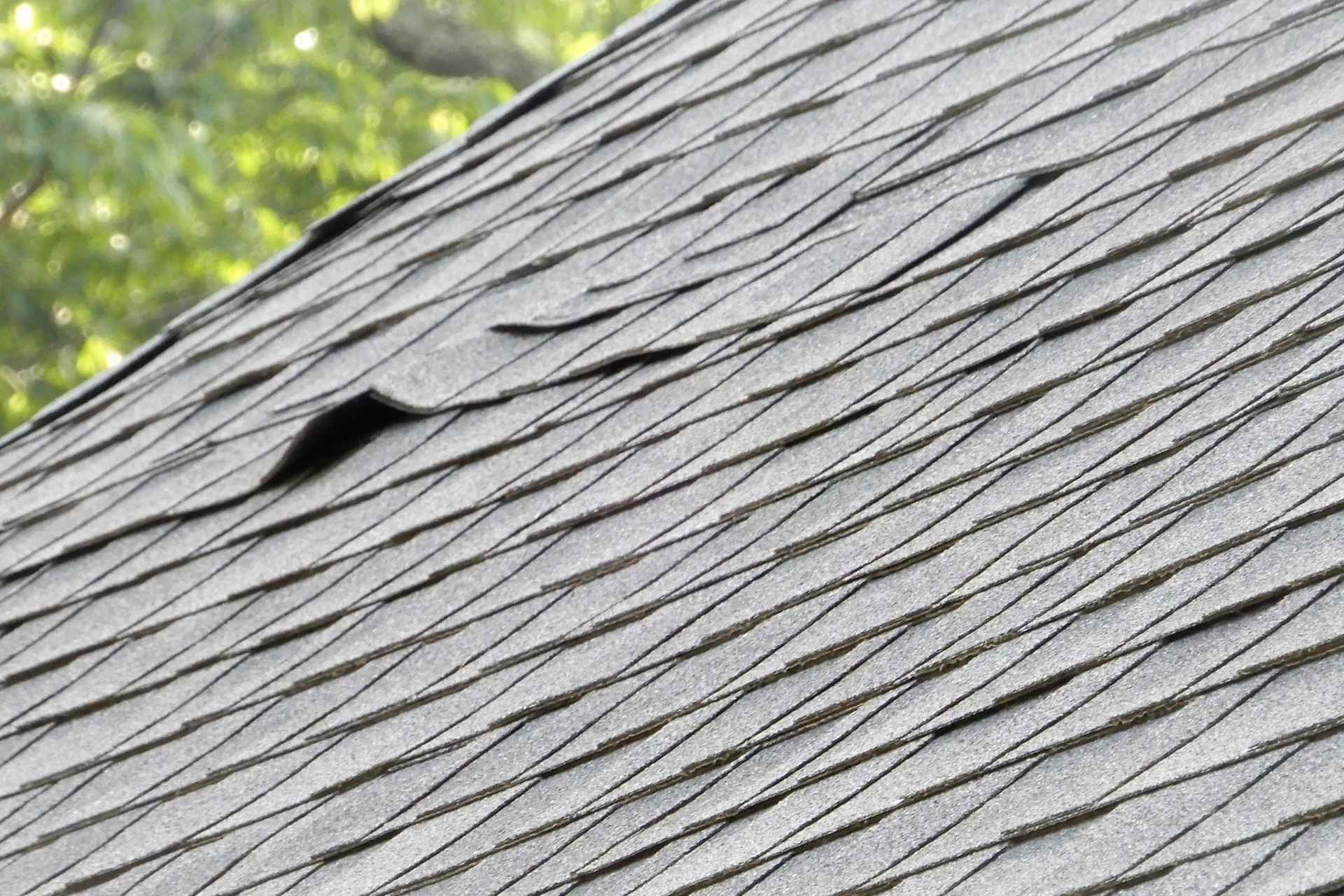
Unlike scouring, baldness is usually uniform across the entire roof surface. You will notice dark, shiny, or “bald” spots where the black asphalt or white fibreglass matting is visible. If your roof is more than 12 to 15 years old and you are finding handfuls of sediment in every gutter, your shingles have likely reached their chemical expiration date. At this stage, the shingles can no longer protect themselves from the sun, leading to rapid cracking and curling. This is a sign of a “retired” roof that has reached the end of its utility.
The Consequences of Granule Loss
Ignoring the “dust” in your gutters can lead to serious structural issues. Once the granules are gone, the sun “cooks” the exposed asphalt in a matter of weeks during the summer. This leads to deep fractures in the shingle matting that extend all the way through to the backing. When the next heavy rainstorm hits, those fractures allow moisture to seep through to the wooden roof deck.
Unchecked leaks eventually result in extensive water damage within the attic space. This moisture can rot the plywood, ruin your insulation by compressing the fibres, and encourage the growth of mould on your rafters. What began as a few handfuls of sand in the gutter can quickly escalate into a full-scale interior restoration project if the shingles are not replaced or repaired in time. Furthermore, damp insulation loses its R-value, meaning your cooling costs will spike as the 2026 summer heat settles in.
Evaluating the Debris: A Forensic Approach
Homeowners can perform a basic “forensic” check of their gutters to gauge the severity of the problem. A small amount of “shedding” is normal for new shingles as they settle. However, if you can see clear paths or “tracks” where the granules are missing on the roof, the damage is advanced.
You should also look at the texture of the debris. If the granules are mixed with large, hard chunks of asphalt, the shingles are disintegrating. If the granules are clean and sand-like, but the roof looks “shiny” or “metallic” in the sunlight, the protective ceramic coating has likely worn thin across the board. Both scenarios require a professional assessment to determine if a localized repair is possible or if a full replacement is the only way to protect the home for the remainder of the 2026 season.
The Verdict: Repair or Replace?
Don’t Ignore the Warning Signs
The “dust” in your gutters is a direct communication from your roof. It provides a clear update on its current health. Whether it results from a single harsh winter or natural aging, granule loss is a warning sign. It indicates that your home’s first line of defence is thinning.
By addressing this sediment in April, you can prevent the summer sun from causing irreparable harm to your shingles. This proactive step also helps you avoid the headache of interior water damage. Take the time to inspect your gutters this spring. This ensures your roof remains a solid, waterproof shield for your home and family throughout 2026 and beyond.