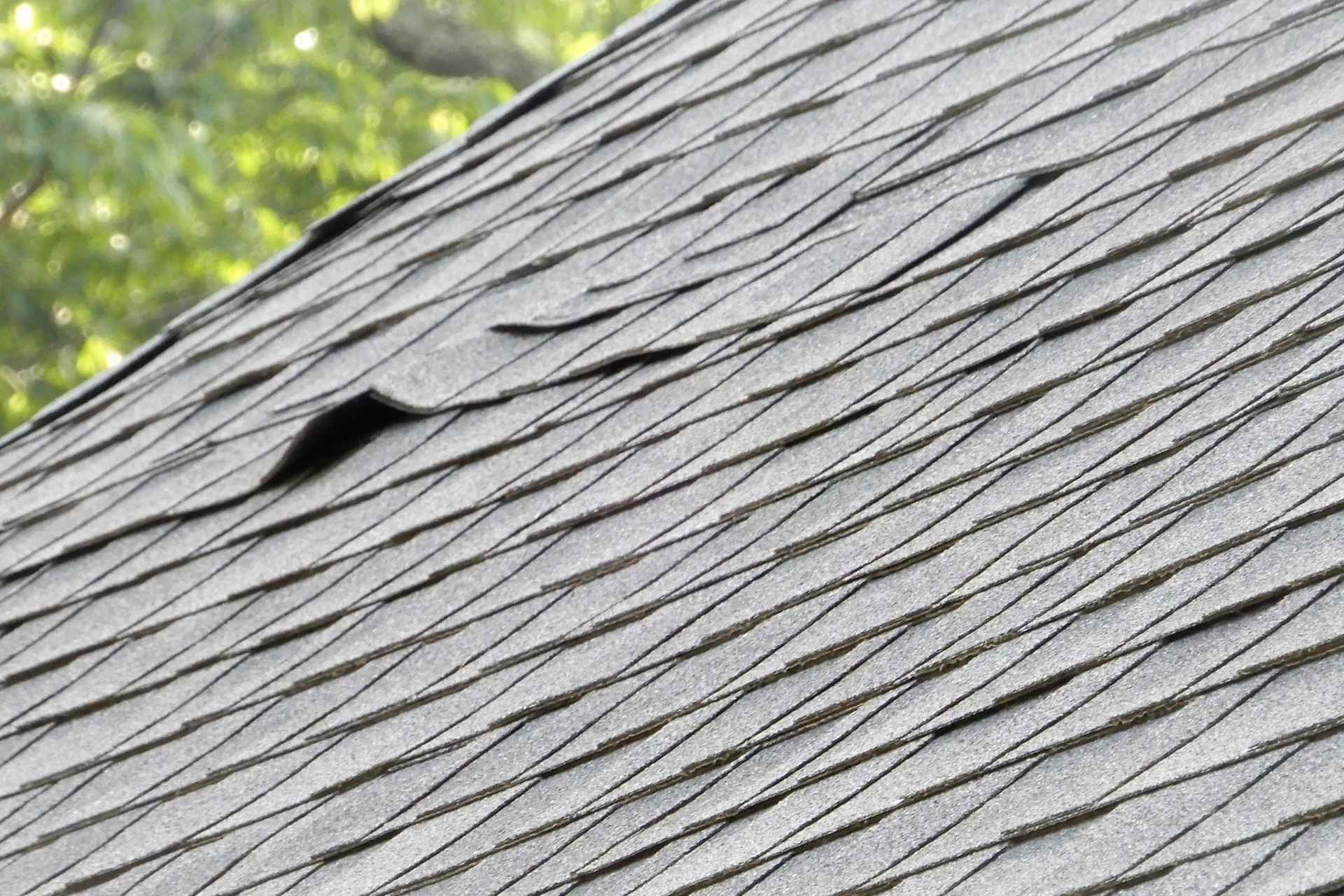
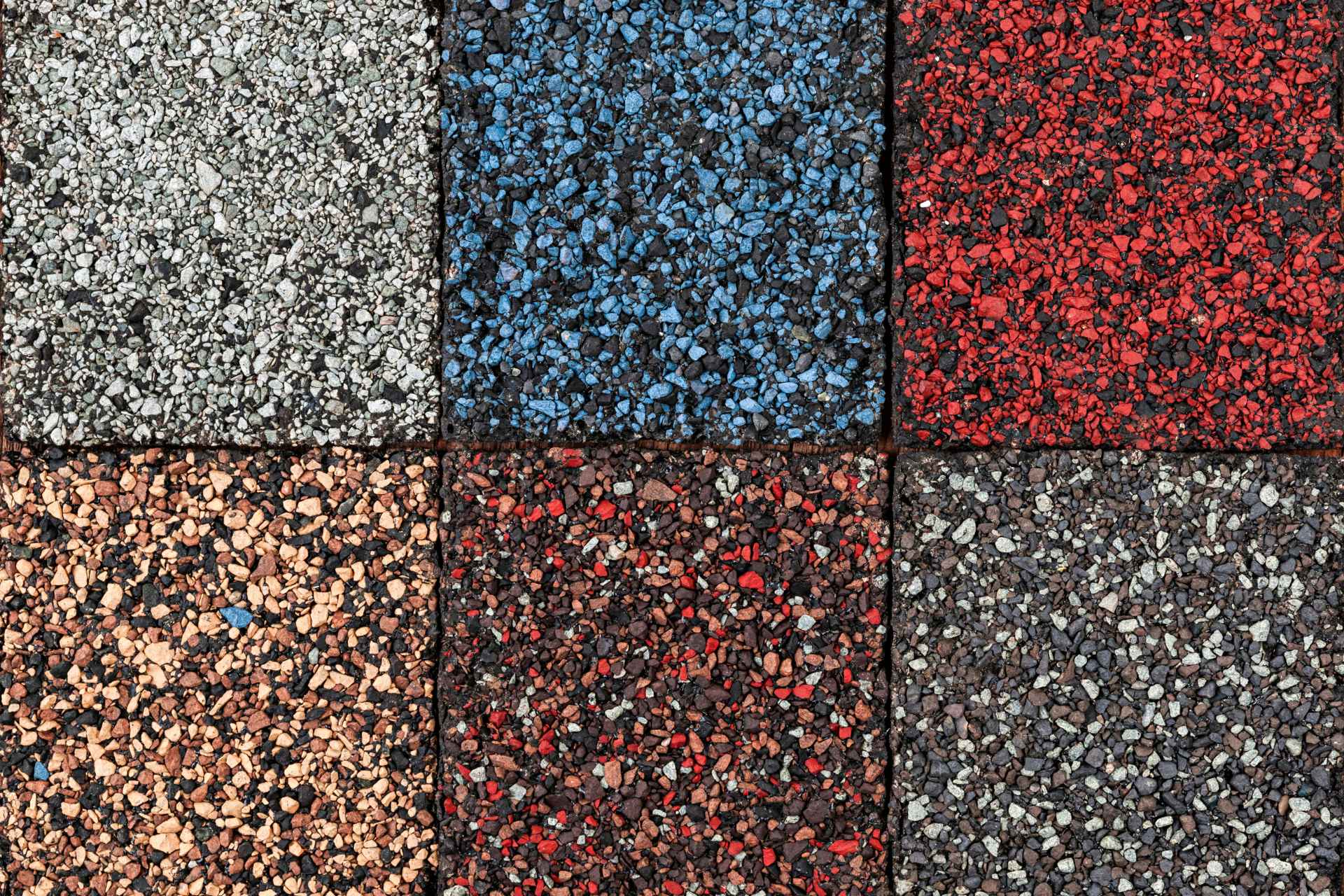
While the shingles of a home receive the most aesthetic attention, they are rarely the site of the first structural failure. In the world of building science, the primary defensive line is found at the intersections, valleys, and transitions of the roof deck. When homeowners vet a roofing company, they often focus on shingle colour, but the quality of the metal “armour” known as flashing is what determines a project’s success. These thin pieces of impervious material bridge the gaps between different architectural surfaces, from chimneys to skylights. This technical integrity is so vital that during a property transfer, a real estate lawyer may even flag unresolved roof issues that could stall a closing. Understanding why this metal skeleton is the most critical part of your roof is the first step in ensuring your home remains a dry, stable, and legally sound asset.
The Physics of the Intersection: Managing Change
A roof is essentially a series of planes designed to shed water. Gravity does most of the work as long as the surface is flat and continuous. However, any break in that plane creates a natural entry point for moisture. This occurs at vent pipes, dormers, or chimneys. At these junctions, water can no longer simply flow downward. It tends to pool or “wick” into the gaps. This moisture targets the space between the roofing material and the structural frame. This is where the physics of diversion becomes necessary.
Flashing works by creating a path of least resistance. It directs water away from the joint and back onto the primary shedding surface. It acts as a hydraulic gutter on a miniature scale. Installers overlap the flashing pieces in a “shingle fashion.” This ensures that gravity pulls the water over the metal and onto the roof below. Without this transition, even expensive shingles would be useless. Water would simply bypass them. It would enter the wooden roof deck through the exposed seams of the architecture.
Material Excellence: Why the Choice of Metal Matters
Because flashing is subject to extreme thermal stress and constant moisture contact, the material choice is paramount. In the past, builders often relied on plastic boots or thin aluminum. However, these materials frequently fail under UV exposure or become brittle in the harsh cold. Modern standards emphasize that a professional roof installation must prioritize the gauge and type of metal used in these hidden areas. Galvanized steel, copper, and lead-coated steel are the industry standards for longevity.
Copper is widely considered the ultimate luxury material due to its natural corrosion resistance and its ability to be soldered at the joints for a truly seamless seal. Galvanized steel offers a more cost-effective but highly durable alternative, provided the coating remains intact. The goal is to choose a material that will outlast the shingles themselves. If the flashing fails ten years before the shingles, you are forced into an invasive repair that could have been avoided with a small initial investment in superior metallurgy.
Critical Flashing Zones and Their Anatomy
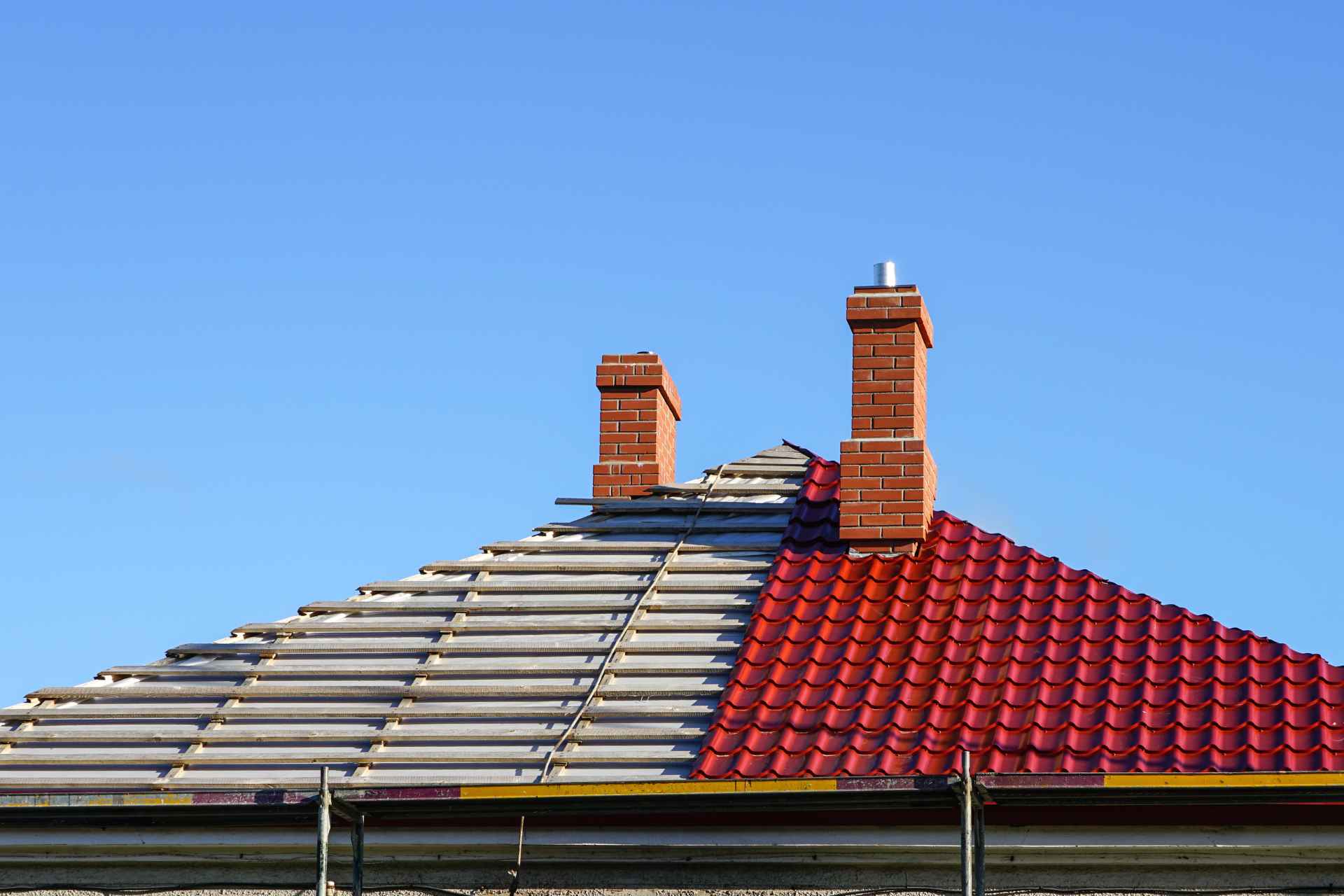
Several primary areas determine the lifespan of the building envelope. The first is the chimney stack. A chimney requires a two-part system: step flashing and counter-flashing. Step flashing consists of individual “L-shaped” pieces. These are woven into the shingle courses. Counter-flashing is then embedded into the masonry of the chimney. It drapes over the step flashing to create a redundant joint. This allows the house and the chimney to move independently. They can shift without breaking the water seal.
The second critical zone is the valley and the sidewall. Valleys are the primary channels for high-volume runoff. They must be lined with heavy-gauge metal. This prevents the force of the water from eroding the underlying substrate. Sidewall flashing occurs where a roof plane meets a vertical wall. This is a common site for leaks on multi-level homes. Moisture can migrate behind the wall if the metal is not tucked properly. This leads to hidden rot that is difficult to detect from the outside.
Environmental Stress and Thermal Movement
Even the best flashing is subject to the laws of thermodynamics. Metal and wood expand and contract at significantly different rates. As the sun beats down on the roof, the metal flashing can grow in size, only to shrink rapidly when a cold rain strikes. Over many years, this constant movement can stress the fasteners and cause the flashing to pull away from the walls or chimneys. Understanding how different weather conditions affect the roof over time is essential for maintaining these seals.
A common warning sign of failing flashing is the presence of dried, cracked caulking. In the roofing world, caulk is a temporary maintenance item, not a structural seal. If your flashing depends on a tube of sealant to stay watertight, it is a sign of an engineering failure. True flashing should be mechanically sound and use gravity as its primary sealant. When you see sealant peeling away, it indicates the metalwork has lost its integrity and is no longer providing the necessary protection against the elements.
The Lifecycle Choice: Maintenance vs. Restoration
As a roof ages, homeowners often find themselves deciding whether to repair or replace the roof based on the state of these metal junctions. If the shingles are in good condition but the flashing has failed, a targeted restoration might be possible. However, poor original installation often saturates the underlying wood. This level of damage requires a full tear-off to fix correctly. Consequently, the quality of the initial installation dictates the long-term cost of homeownership.
A roof that uses premium flashing and proper mechanical joints is far more resilient. It allows the homeowner to avoid the “patchwork” cycle of repairs that never truly solve the root cause of a leak. By focusing on the durability of the transitions, you extend the window of time before a major replacement is necessary. This strategic approach to maintenance preserves both the structural integrity of the house and the financial health of the owner.
Perimeter Protection: The Role of the Drip Edge
The final critical zone is the perimeter of the roof, managed by the drip edge. This flashing profile is installed along the eaves and rakes to lead water away from the fascia board and into the gutters. Without a properly installed drip edge, water has a tendency to “cling” to the underside of the shingles and run back toward the wooden roof deck. This “wicking” effect is a primary cause of rotted eaves and damaged roof tails.
A drip edge ensures that surface tension does not pull moisture into the gap between the roof deck and the fascia. By extending the metal slightly over the gutter, the system ensures that every drop of runoff is captured and moved away from the foundation. This small piece of metal is the guardian of your home’s perimeter, preventing the slow degradation of the wood that supports your entire roofing system and ensuring the ventilation intake at the soffits remains clear of moisture.
The Insurance Policy for Your Home
The longevity of your roof is defined by the precision of its metalwork. While shingles provide the surface protection, the flashing ensures that the most vulnerable transitions remain impenetrable. Understanding the difference between high-quality installation and temporary fixes is essential for long-term home health. By focusing on critical zones like chimneys and valleys, and ensuring your perimeter is protected against moisture backup, you can prevent the “silent” leaks that cause structural rot. A proactive approach to these metal “joints” is the best way to ensure your entire roofing system performs as intended for decades to come.