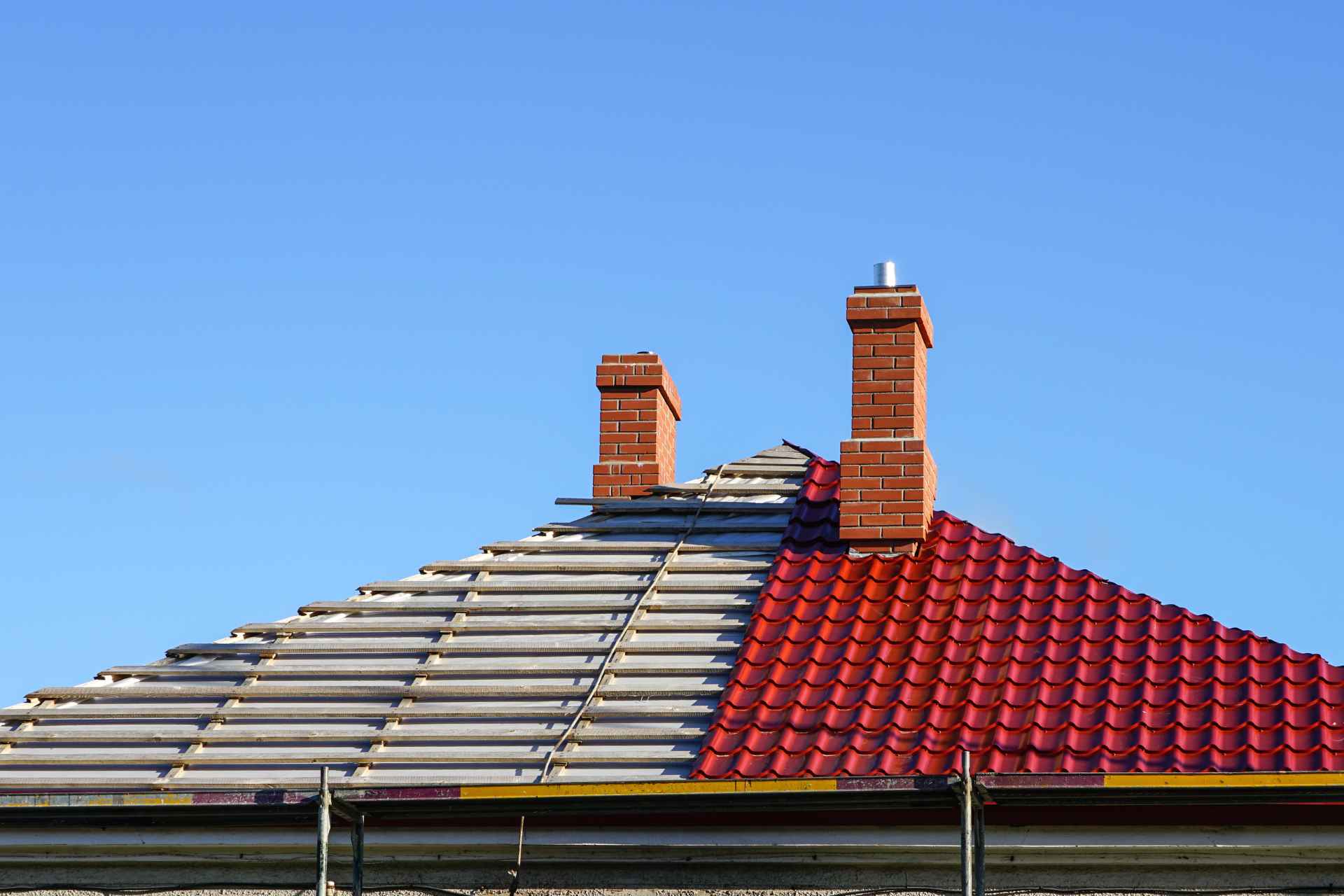
Your roof plays an extremely important role when it comes to protecting your home from the elements. Its main job is to shield the rest of your home from rain, snow, UV rays, wind, hail, and much more. This constant exposure to the elements eventually will cause your roofing material to wear out. When this happens, you should look into replacing your roof before the wear gets to the point that your material begins to breakdown and your home is exposed to potential damage.
Considering the importance of having a quality roof installed properly on your home, putting the time and effort into hiring a professional, reputable roofer to complete your roof replacement project is just as important. By asking potential roofing contractors key questions before signing any agreement, you can better make a confident, informed decision on who you will have complete the roof repair, replacement, or installation project.
Here we outline five questions to ask your roofer before you hire them:
1. Will the Roofer Remove the Old Roof?
In most cases the answer will be a simple yes, however, we have heard stories of inexperienced roofers that were looking to save time by shingling over the old roof. The problem with this practice is that the old, worn material will continue to deteriorate under the new shingles compromising the integrity of your new roof. As well, the roofing contractors are not able to inspect the sheathing or underlayment for signs of water leakage, rot, etc. Catching and fixing these issues early will prevent potential damage and costly repairs in the future. An experienced roofer will remove your old roof before installing the new one.
Furthermore, adding a second layer of shingles significantly increases the weight load on your home’s structural framing, which can lead to sagging or even structural failure over time. Most manufacturers will also void their warranty if their products are installed over an old roof, as the heat trapped between the layers can “bake” the new shingles from underneath. Starting with a clean roof deck is the only way to ensure the system performs at its rated capacity for decades to come.
2. Will the Roofer Install Drip Edges?
Drip edges help to direct any water runoff into the eavestroughs. It is usually installed under shingles where they come off the roof. Failure to install drip or metal edge can result in costly water damage repairs later on, as water will damage the fascia, soffits, and decking. Do not assume that the roofer will install the metal edge, ask the roofer to be sure.
Without a drip edge, surface tension causes water to “wick” backward under the shingles and onto the wooden fascia board, leading to rapid rot and peeling paint. This small but critical component also seals the gap between the roof deck and the fascia, preventing small pests or wind-driven rain from entering your attic. A professional installation always includes this metal flashing to ensure that gravity carries every drop of water safely into the gutter system.
3. How Many Nails Will Be Used Per Shingle?
The standard number of nails per shingle should be at least four. In some cases, your roof will need six nails per shingle, if it has a steep slope or if you are located in a high-wind location. Also, ask the roofers how the nails will be installed? Will the nails be installed on the shingles nail lines? These questions are crucial because any failure can void the warranty on your roofing material.
Proper nail placement is just as important as the quantity. If a nail is driven too high, it misses the underlying shingle and fails to provide wind resistance. Conversely, over-driven nails can cut through the shingle mat, creating a vulnerability that allows shingles to blow off during a storm. Verifying that your contractor follows the manufacturer’s specific fastening pattern is the best way to safeguard your investment against the harsh winds of the Hamilton region.
4. Will the Old Flashings Be Re-Used or a New One Installed?
Most professional roofers suggest that your old flashing should be replaced when you replace your roof. If your flashing is in good condition, you may choose to forgo the changeover to save on the project costs, but be warned that this could lead to potential issues within several years.
Flashing is the most frequent point of failure in a roofing system, and reusing old metal that has already undergone decades of expansion and contraction is a significant risk. Even if it looks intact, the previous nail holes and bent edges may not align perfectly with your new shingles, creating tiny gaps for moisture to enter. Investing in new, high-quality flashing around chimneys and valleys ensures that these high-traffic water areas remain watertight for the entire life of your new roof.
5. How Will the Roofer Leave Your Home Each Day?
Depending on the size of your home and the size of the roofing companies crew, it can take several days to replace your entire roof. It is not advised that the roofer remove the entire roof at once, the removal process should be gradual, and according to the areas that can be replaced each day. This limits any potential damage to your home as it would be exposed to water damage. As well, the roofing team should not leave your home before ensuring that the area around your property is clear of any old nails and shingles.
At the end of each workday, the crew should “dry in” any exposed sections with a waterproof underlayment or heavy-duty tarps to protect your interior from unexpected overnight showers. Additionally, a professional team will perform a daily sweep with a magnetic tool to collect stray nails from your driveway and lawn. This daily attention to detail prevents property damage and ensures that the construction site remains safe for your family throughout the duration of the project.