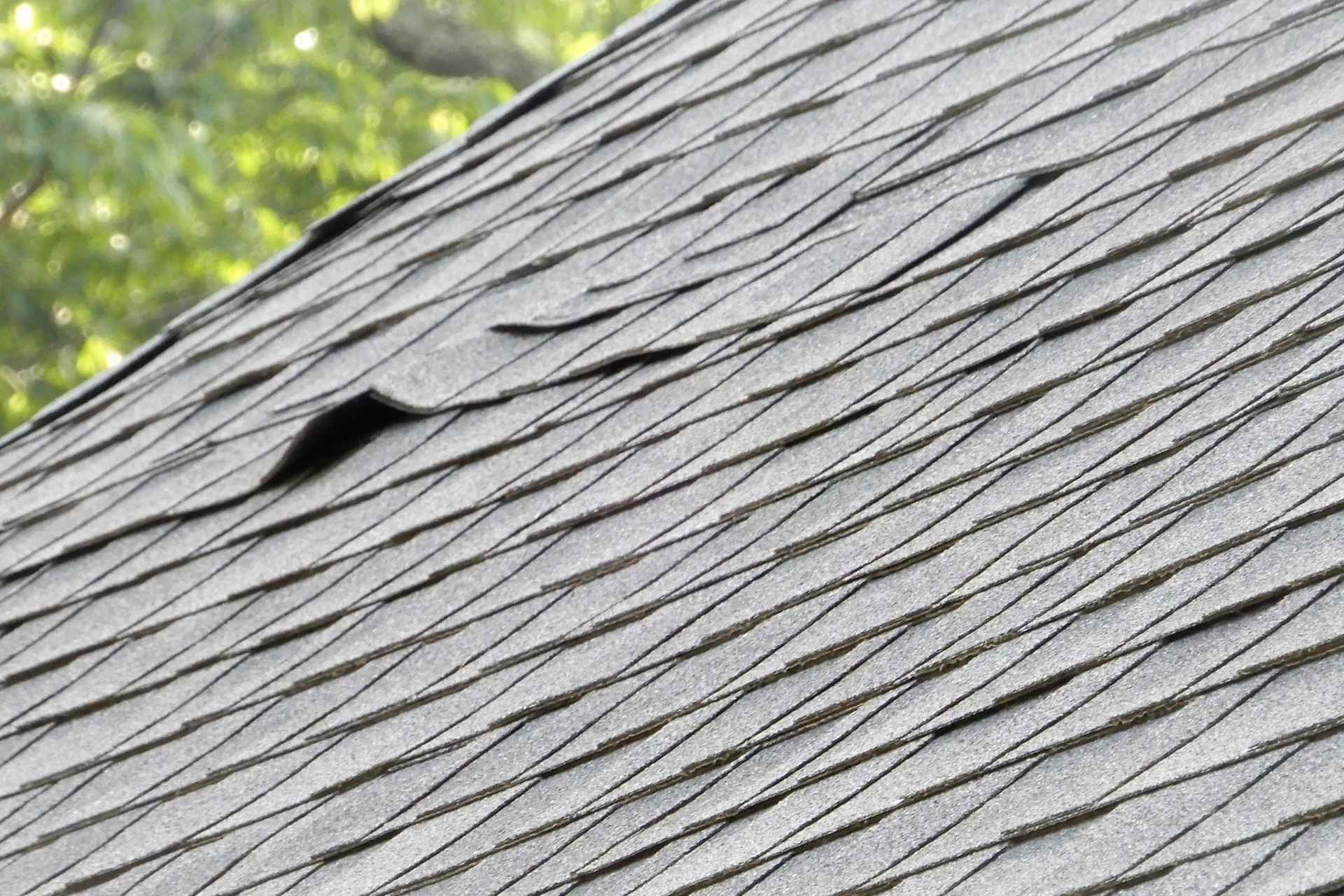
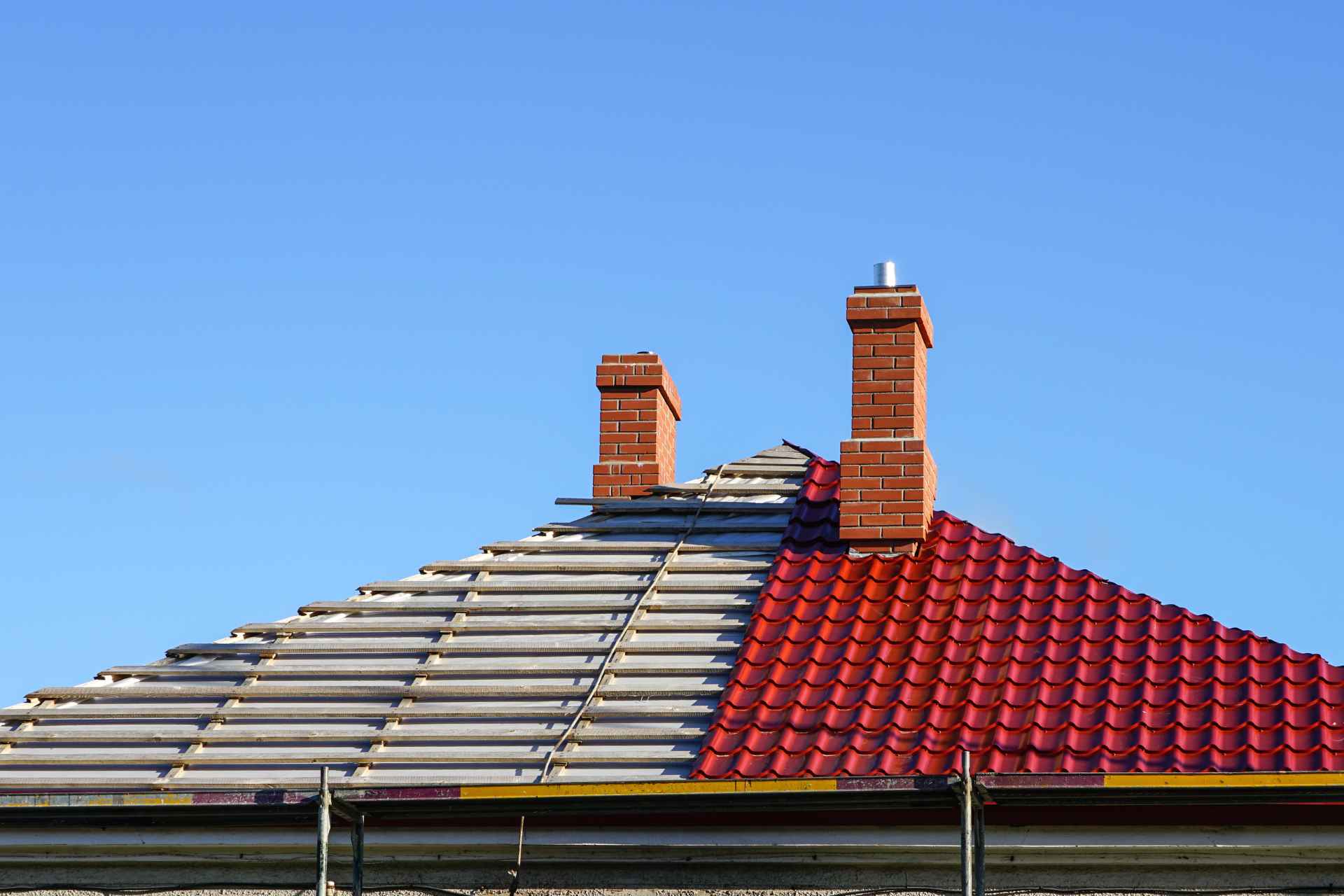
General maintenance and upkeep of your roof is not a simple task, it involves inspecting your roof for signs of potential damage at least twice a year. In reality, many homeowners have never been up on their roof even once, let alone gone up several times a year to inspect the roof’s condition. So how do you know when your roof needs to be replaced if you never inspect it from on top? We polled our roofers and they shared several potential warning signs you should pay close attention to.
Maintaining a proactive stance toward your roof’s health is the most effective way to avoid the catastrophic costs associated with emergency replacements. A roof doesn’t just sit on top of your house. It functions as a complex system of ventilation, insulation, and moisture barriers that work together to protect your structural foundation. When one part of this system begins to fail, the rest of the home is quickly put at risk. This makes early detection a financial necessity for any responsible property owner.
#1 Water damage
Watermarks on your top floor ceiling may be a sign that water is working its way into your home through your roof. Try and follow the potential water flow to see if the water is coming from a pipe, a window, or your roof. In some cases, old or poorly sealed windows could be the culprit, and a window replacement might be necessary to prevent further leaks or water damage. You may need to climb into your attic to see if there are damp areas or pooling of water. If you conclude the damage is being caused by water entering through your roof, don’t hesitate—contact a local roofer ASAP.
It is important to remember that water is opportunistic. It will travel along rafters and beams, often appearing on a ceiling far from the actual leak source. By the time a brown stain appears on your drywall, the wooden structure behind it and the insulation have likely been damp for weeks, creating an ideal environment for mould and mildew. A professional roofer can perform a “flood test” or use infrared technology to pinpoint the exact entry point. This ensures that the repair addresses the root cause rather than just the visible symptom.
#2 Sun rays beaming into your attic
Unless you have a window in your attic, this part of your home should always be pitch dark. Climbing into your attic, to look for potential issues with your roofing system is important. One tell-tale sign that there is a major issue with your roof, is if you are able to see streams of light coming through your roof. If light can get in, so can water. Our experts say that the best time of day to look for this damage indicator is at sunset.
These “pinholes” of light are often caused by the natural expansion and contraction of roofing materials, which can eventually cause fasteners to back out or shingles to crack. Even if you haven’t noticed a leak yet, these openings allow humid air to enter your attic during the day and pests to find shelter at night. Sealing these gaps immediately is crucial to maintaining the thermal envelope of your home, preventing your HVAC system from working overtime to compensate for the lost insulation.
#3 Sagging
A professionally installed roof should have a top that follows a straight line along the ridge. So, if you notice a sag anywhere in your roofline, it can represent an indicator of structural damage to your roof. To look for roof sag, cross to the opposite side of the street and look along any edges of your roof, from the peaks down. You should be able to notice any misalignment along what should be a straight edge. Any amount of sag can indicate a structural issue with your roof, and sewer sag can mean a potential roof collapse. Call a professional roofing contractor immediately if you notice any shifting in the shape of your roof.
A sagging roofline is frequently the result of long-term water saturation that has softened the roof decking or the rafters themselves. In some cases, it can also be caused by excessive weight from too many layers of old shingles or an undersized support system that wasn’t built to handle heavy snow loads. Regardless of the cause, a sag is a red flag that the structural integrity of the home is compromised. It requires an expert evaluation to determine if the support beams need reinforcement before a new surface can be installed.
#4 Age
An aging roof should be reason enough for any homeowner to consider a roof replacement. Overall, if your roof is around 20 years of age, it might be the right time to seek out a professional roofer to inspect the condition of your roof.
While some premium materials like metal or slate can last much longer, the vast majority of residential homes use asphalt shingles that have a finite functional lifespan. Over two decades, the constant cycle of freezing and thawing, combined with UV exposure, causes shingles to lose their protective granules and become brittle. Even if the roof looks “okay” from the ground, the underlying waterproof membrane is likely reaching its failure point, making an age-based inspection the smartest way to prevent a sudden, costly emergency.
#5 Neighbours replacing their roofs
Just because one of your neighbours is replacing their roof, it doesn’t mean anything was wrong. There are many reasons for homeowners to update their roof, aesthetic purposes is a popular one. However, if you notice a neighbour or a few of them replacing their roofs, and your homes were all built around the same time. You may want to walk over and ask them if they had any issues or if they noticed any early warning signs of issues. It is not unheard of for entire streets to have their roofs replaced around the same time, as the lifespans of a similar roof installation are all the same.
In planned subdivisions, contractors often use the same materials and installation crews for every house on the block. This means that if your neighbour’s roof has reached its breaking point, yours is likely under the same level of environmental stress. Observing a “roofing boom” in your neighbourhood is a great cue to get ahead of the curve, as you might even be able to negotiate a group discount with a contractor who is already working in your immediate area.
The Value of Proactive Maintenance
Make sure you pay close attention to the gutters, ridges, or any signs of rooting. Our professional roofers say that a damaged or aging roof will happen over time, and most homeowners overlook subtle early signs. This is why you should always have regularly scheduled checkups performed by an experienced roofing contractor. Spotting any potential issues early can save you a lot of time and money in the long run.