Many homeowners focus heavily on visible home systems such as furnace repair, assuming those upgrades have the most immediate impact on comfort and safety. While heating systems are important, the condition and quality of installation of a roof play an equally critical role in protecting the structure. A professional roofing company understands that even high-quality materials can fail if they are not installed with precision. Proper layering, fastening, and ventilation alignment determine how well a roof performs over time. Installation quality ultimately shapes durability, weather resistance, and long-term value.
Workmanship issues are rarely obvious at first glance. Minor errors during installation can remain hidden until extreme weather exposes them. By the time visible warning signs appear, structural deterioration may already be developing beneath the surface. Professional installation reduces the likelihood of premature failure and unexpected repair costs. Understanding the value of proper workmanship helps homeowners protect their investment for years to come.
Roofing Materials Are Only as Good as Their Installation
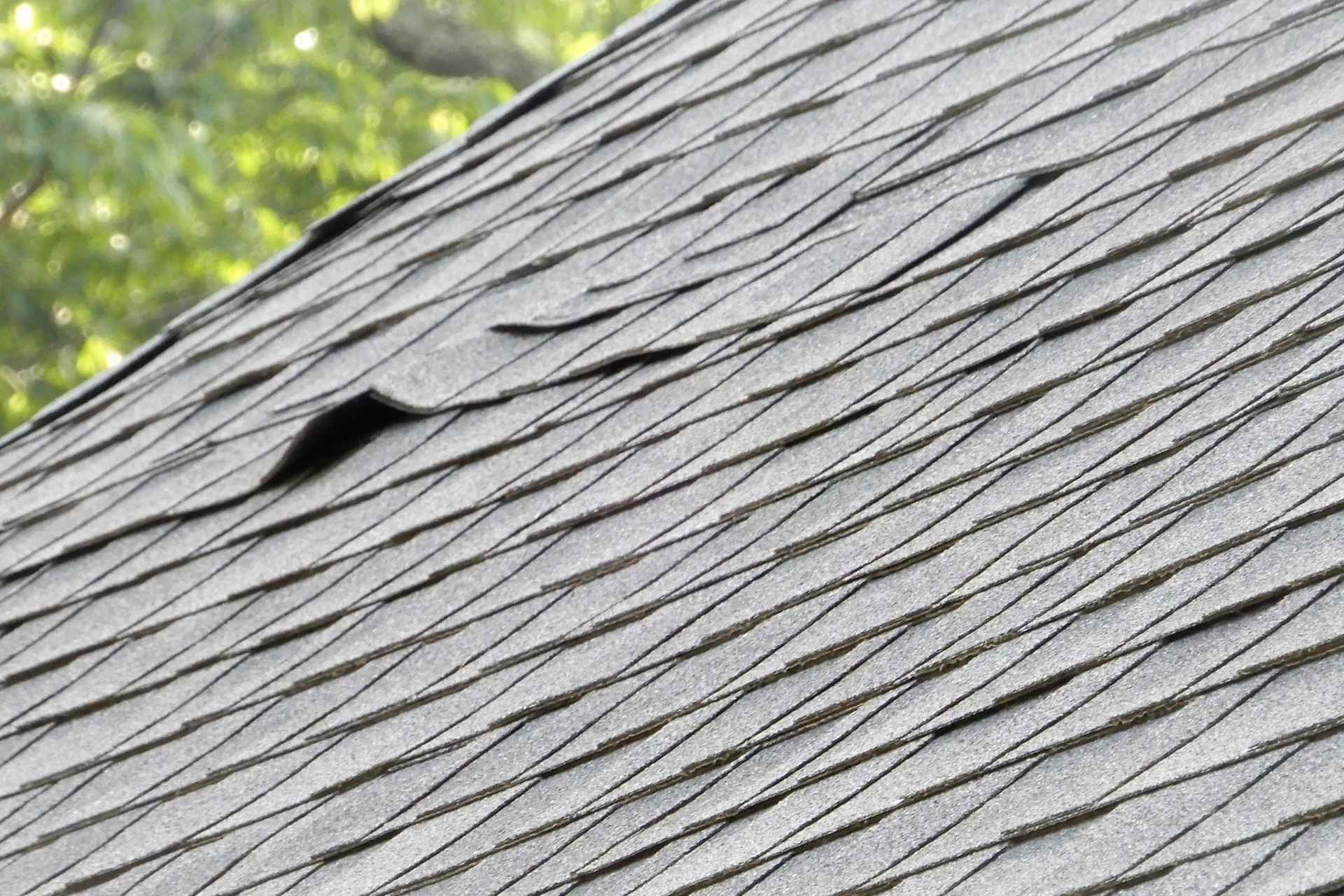
Even premium roofing materials depend entirely on correct installation to perform as intended. Shingles must be aligned precisely, fastened at the proper depth, and layered according to manufacturer guidelines. If nails are placed incorrectly or flashing is poorly sealed, the system becomes vulnerable. These small mistakes may not be visible immediately but can weaken protection over time. Quality materials cannot compensate for improper workmanship.
When installation shortcuts are taken, problems often emerge gradually. Minor gaps or misalignment can allow moisture to penetrate beneath the surface during storms. Over time, trapped moisture may spread, and water damage can affect both the roof and the foundation if infiltration continues unchecked. This progression turns what could have been a preventable issue into a structural concern. Careful installation from the beginning significantly reduces long-term risk.
Common Installation Mistakes That Lead to Early Failure
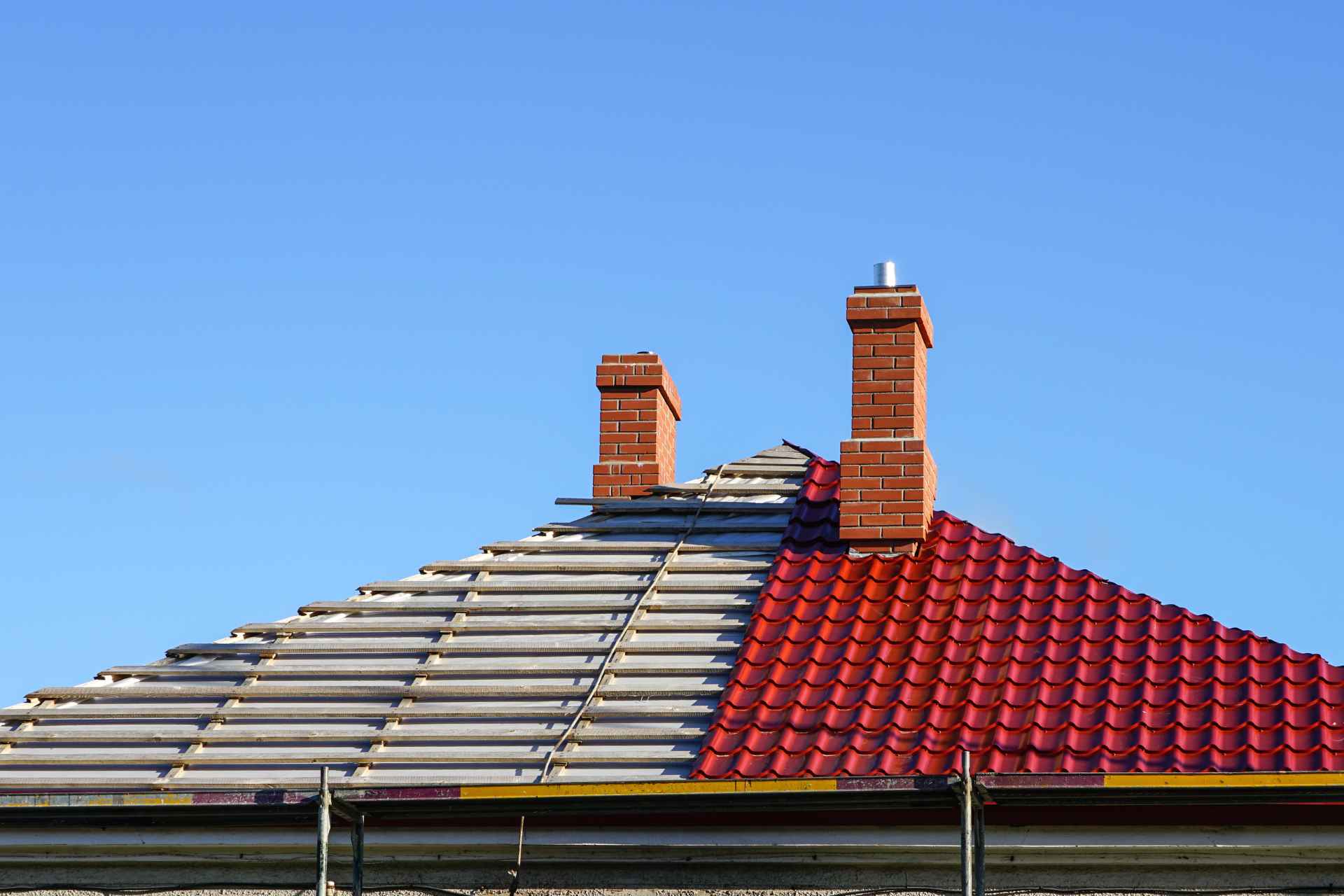
One of the most frequent installation errors involves improper nail placement. Nails driven too high, too low, or at the wrong angle reduce the shingle’s ability to resist wind uplift. Over time, this weakens the overall roofing system and increases the likelihood of premature wear. Poor flashing installation around chimneys and vents can also create hidden entry points for moisture. These mistakes may not cause immediate leaks but often shorten the lifespan of the roof.
Another common oversight is failing to inspect the roof deck before installing new materials. If damaged or weakened decking is covered rather than repaired, the structure beneath remains compromised. In these cases, homeowners may assume everything is secure until signs appear that the roof needs to be replaced sooner than expected. Inadequate ventilation integration can further accelerate deterioration by trapping heat and moisture in the attic space. Professional attention to detail prevents many of these avoidable failures.
How Professional Installation Extends Roof Lifespan
Professional installation ensures that each component of the roofing system works together as intended. Proper layering of underlayment, flashing, and shingles creates a continuous barrier against weather exposure. Balanced attic ventilation prevents excessive heat buildup and reduces moisture accumulation. When airflow and insulation are aligned correctly, materials experience less stress throughout seasonal changes. This level of precision directly contributes to longer service life.
Long-term performance also depends on addressing structural readiness before installation begins. Experienced installers assess decking integrity, edge details, and drainage pathways before placing new materials. These steps prevent small weaknesses from becoming recurring repair issues. Careful preparation minimizes strain during storms and temperature swings. Investing in quality installation reduces the need for repeated corrective work later.
Why Installation Quality Impacts Warranty Coverage
Manufacturer warranties often depend on proper installation practices. If materials are not installed according to specified guidelines, coverage may be reduced or voided. Incorrect fastening, improper ventilation, or skipped preparation steps can all affect warranty eligibility. Many homeowners assume material warranties automatically protect them, but workmanship errors can limit that protection. Professional documentation and compliance help preserve long-term coverage.
When installation standards are not met, repair responsibility may fall entirely on the homeowner. Over time, unresolved defects can create structural concerns that escalate beyond surface-level issues. In severe cases, improper installation may accelerate deterioration to the point where full corrective work becomes necessary. Understanding warranty conditions reinforces the importance of hiring experienced professionals. Quality installation protects both structural integrity and financial investment.
Structural and Energy Efficiency Implications
Installation quality directly affects how well a roofing system regulates temperature and moisture. Improper ventilation or sealing can trap heat in the attic, increasing strain on insulation and interior climate control systems. When airflow is restricted, humidity levels rise and structural components may begin to deteriorate. Over time, an imbalance within the roofing system can increase wear and reduce energy efficiency. Professional installation ensures that ventilation and insulation work together effectively.
If moisture is allowed to infiltrate due to poor workmanship, structural consequences can extend beyond the roof surface. Continued exposure increases the likelihood of water damage, especially when leaks migrate through framing and wall cavities. Seasonal stress can worsen these vulnerabilities if airflow and drainage were not properly integrated during installation. Correct installation minimizes the risk of hidden deterioration and costly structural repair. Long-term efficiency depends on proper system integration from the beginning.
Why Hiring the Right Contractor Matters
Choosing the right contractor influences every aspect of roof performance. Experience, training, and adherence to installation standards directly affect long-term durability. Skilled professionals follow manufacturer guidelines and inspect structural readiness before beginning work. This level of preparation reduces the likelihood of premature deterioration. Ultimately, hiring a good roofer protects both structural integrity and long-term investment.
Thorough contractors also provide clear documentation and post-installation support. They assess ventilation balance, drainage alignment, and flashing precision before completing the project. This attention to detail ensures the roofing system performs as intended across seasons. Professional installation minimizes the risk of future emergency repairs. Selecting qualified expertise supports long-term reliability rather than short-term cost savings.
Workmanship Determines Roof Performance
Roof performance depends on more than materials alone. Installation quality influences durability, warranty protection, structural stability, and energy efficiency. Small workmanship errors can lead to premature deterioration and expensive corrective work. Professional installation ensures that each component functions as part of an integrated system. Investing in proper installation safeguards both the structure and its long-term value.