Severe summer weather places incredible stress on a home’s exterior protection. Most property owners associate structural roofing damage with high winds, heavy downpours, or sudden hailstorms. However, the most consistent environmental threat to your upper defence system is completely silent. Every day, solar or UV radiation slowly degrades your materials. When you collaborate with a professional roofing company, their diagnostic assessments focus heavily on mitigating this continuous solar wear.
A resilient building envelope relies on all architectural components working together. For example, a modern attic ventilation system controls humidity levels under the roof deck. Meanwhile, high-performance exterior wall siding protects your lower framing from moisture. If your shingles are failing from constant UV exposure, heat will radiate downward unchecked. This intense heat gain can trap warm air inside your upper floors, turning your top level into a sweltering escape room during summer heatwaves.
The Quick Edit
- Photo-Oxidation Breakdown: Ultraviolet rays strip essential volatile oils from the asphalt matrix, causing shingles to dry out and lose physical flexibility.
- Thermal Shock Mechanics: Extreme daily temperature swings force roofing materials to expand and contract aggressively, tearing the weakened substrate.
- Granule Shield Erosion: Loss of the protective mineral granule coating leaves the vulnerable underlying asphalt fully exposed to rapid solar burning.
The Molecular Level: How Ultraviolet Light Targets Asphalt Chemistry
Asphalt shingles are highly engineered composite structures designed to bend with environmental shifts. Their core design relies on a tough fibreglass mat saturated with asphalt polymers. This heavy layer is topped with specially coated ceramic mineral granules. The asphalt acts as a flexible waterproofing barrier. These compounds shield your home from driving rain and heavy winter snow loads.
Relentless solar radiation triggers a destructive chemical process called photo-oxidation within this polymer matrix. Ultraviolet rays break down the long-carbon chemical chains that keep the asphalt pliable. As these volatile oils dry out, the shingle loses its natural elasticity. This material degradation makes the entire surface highly brittle:
Once the underlying asphalt hardens, it loses its ability to handle structural movement. The material can no longer bend safely during high-wind events. This chemical breakdown marks the beginning of rapid physical failure. Small cracks develop along the shingle tabs, providing an immediate path for water to reach your underlayment.
Explaining Thermal Shock: The Physics of Expansion and Contraction
The damage caused by chemical UV weathering multiplies when combined with daily temperature shifts. This structural stress is known as thermal shock. On hot afternoons, an unshaded roof surface absorbs massive amounts of solar energy. Surface temperatures can easily climb past 70°C.
Daily Temperature Swings
When the sun sets, the roof cools down quickly to meet the ambient night air. This drop can create a 40-degree temperature shift in just a few hours. This rapid cooling forces every component of the roofing assembly to contract. The underlying wood deck, the metal flashings, and the asphalt shingles shrink at completely different physical rates.
This variance in material behaviour creates a hidden battlefield across your roof plane. Aluminum flashings contract rapidly, pulling away from junctions, while the wooden structural deck responds much more slowly. Because the asphalt shingles are pinned between these shifting layers, they are subjected to opposing physical forces. In a healthy roof, pliable asphalt absorbs this movement without breaking, but a UV-degraded system lacks the elasticity required to tolerate this daily pulling.
Mechanical Stress and Cracking
This movement places immense mechanical stress on your roofing materials. Brittle, UV-damaged shingles cannot handle this sudden shifting. The stress tears the material apart, causing the shingle tabs to split vertically. This cracking leaves the underlying wood sheathing completely exposed to subsequent rainstorms.
Once a vertical split opens, the shingle’s water-shedding continuity is permanently broken. Gravity immediately guides rainwater directly into the fracture, where it bypasses the primary shield. The water travels down the threads of the roofing nails, bypassing the self-sealing strips and pooling directly onto the plywood deck below. This localized moisture accumulation accelerates wood rot, compromising your home’s structural stability long before a visible leak appears inside your home.
Granule Loss: Tracking the Erosion of Your Roof’s Primary Shield
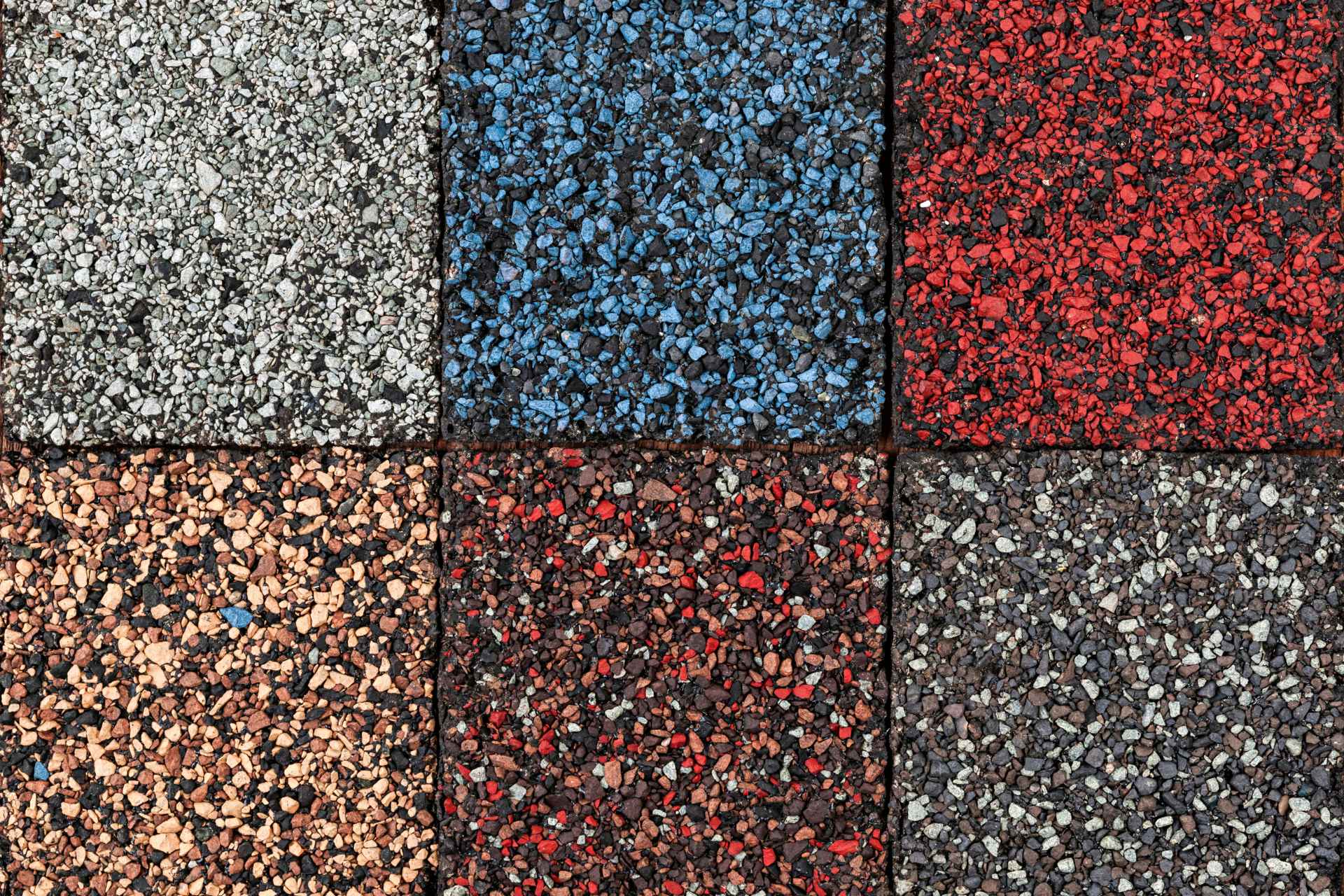
The ceramic mineral granules on your shingles act as a protective sunscreen for the underlying asphalt. They block destructive ultraviolet rays from hitting the waterproof core. When a roof begins to age, the adhesive bond holding these granules in place breaks down.
Micro-Surface Splitting
As the asphalt matrix dries out, it shrinks slightly away from the mineral layer. This movement loosens the granules, causing them to wash away during standard rainstorms. Homeowners often spot this shedding early when clearing out their eavestroughs. Finding piles of dark, sand-like material in your downspouts is a clear warning sign of advanced granule loss.
Accelerated Degradation Zones
Once the protective granules wash away, the underlying asphalt has no defence against solar radiation. The sun quickly bakes the exposed patches, causing the material to bubble, blister, and crack. These bare spots degrade much faster than protected areas. This wear shortens the remaining operational lifespan of your entire roofing asset.
Choosing Your Path: Crucial Options for System Upgrades
Managing solar degradation requires moving away from basic, low-tier material options. When planning a property renovation, there are several important things to consider when replacing your roof to maximize its durability.
Advanced Architectural Shingles
Modern manufacturing offers heavy-duty architectural shingles infused with specialized UV-stabilizing polymers. These advanced options keep their flexibility much longer than standard materials. They feature thick granule layers that provide excellent defence against photo-oxidation. Investing in these premium products helps prevent early cracking and material failure.
These multi-layered dimensional shingles do more than add visual depth to your exterior property lines. The thick, laminated construction creates a dense physical barrier that slows down heat transmission into the lower framing layers. By adding advanced polymer modifiers directly to the raw asphalt mixture, manufacturers create a resilient substrate that withstands severe environmental shifts. This advanced material engineering ensures that the shingles remain pliable and securely anchored, even after decades of direct afternoon sun exposure.
Cool-Roof Engineering Options
Property owners can also choose specialized cool-roof shingles designed with highly reflective mineral granules. These granules bounce a large portion of solar radiation straight back into the atmosphere. This reflection keeps surface temperatures much lower on summer afternoons. Reducing heat buildup limits the impact of thermal shock and lowers your home’s monthly cooling costs.
Lowering the surface temperature yields significant long-term benefits for the entire upper building envelope. When a roof stays cooler, the attic temperature drops naturally, reducing the thermal strain on your underlying insulation and ventilation systems. This temperature drop protects the structural wooden rafters from dry rot caused by extreme heat buildup. Choosing these highly reflective engineered materials establishes a reliable defence system that directly extends the operational lifespan of your real estate asset.
Recognizing the Turning Point: Identifying Permanent Material Failure
Many property owners wait for water to drip through their plaster ceilings before scheduling a professional roof inspection. However, letting solar wear progress to this point can lead to expensive framing repairs. Homeowners must learn to spot the clear structural warning signs of advanced UV damage early.
Surface Deformities
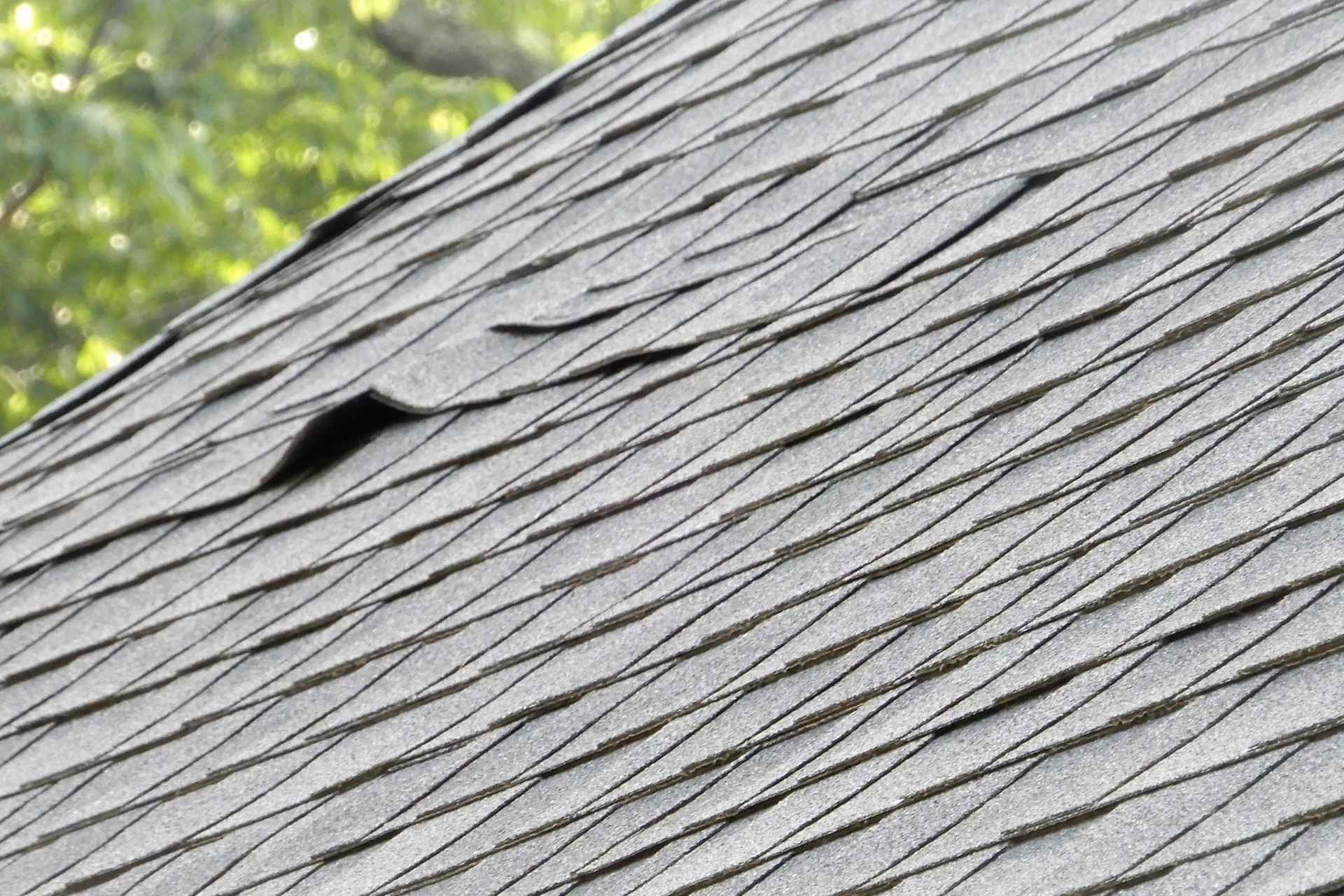
When shingles dry out, their edges often curl upward or cup downward. This curling breaks the roof’s uniform look and exposes the underlying fasteners to driving rain. Additionally, thermal shock can cause shingles to claw, meaning the center of the tab buckles upward while the edges stay flat.
These distortions completely destroy the shingle’s physical defence capability. As the edges lift or the center buckles, the material acts like a sail, catching high winds rather than letting them glide harmlessly over the roof plane. This exposure allows wind-driven rain to blow straight upward underneath the tabs. Once water forces its way backward into these gaps, it easily bypasses the factory-applied sealant strips, placing direct hydraulic pressure on your secondary waterproofing barriers.
Structural Signs
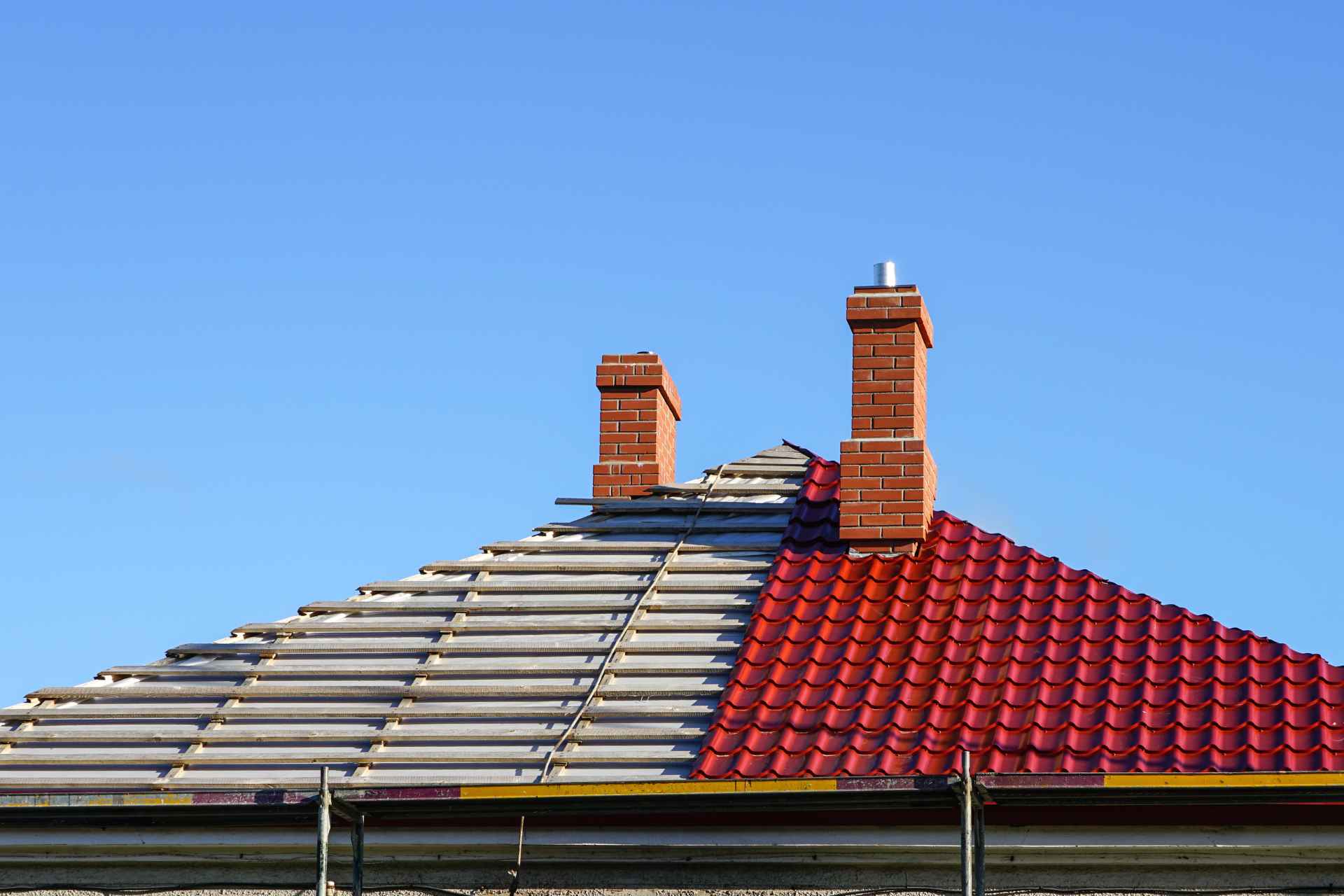
If you see widespread curling, deep surface cracks, and large bare patches across your roof slope, patch repairs will no longer fix the issue. The protective material has reached the end of its functional life. When these conditions affect multiple sections of your roof deck, it is an undeniable indicator that it’s time to replace the roof completely to secure your home.
Attempting to apply temporary tar patches or replace individual brittle shingles at this stage is a waste of maintenance capital. The underlying asphalt across the entire slope has lost its cohesive strength, meaning any new fasteners driven into the weathered deck will simply crack the surrounding materials. Postponing a full replacement only opens the door to sudden, massive system failures during the next severe storm. Choosing a comprehensive system upgrade at this turning point is the only way to protect your framing, maintain your insurance coverage, and preserve your property’s equity.
Overcoming Solar Degradation Through Advanced Material Science
The continuous impact of UV radiation and thermal shock represents an inevitable challenge for any exterior roofing asset. Left unchecked, solar weathering strips away essential protective oils, destroying your shingle’s flexibility and leaving your property vulnerable to sudden water intrusion. Protecting your capital investment requires a proactive approach to building envelope preservation. By choosing advanced, UV-resistant shingles and maintaining proper attic ventilation, you neutralize these hidden environmental threats. Investing in superior material science today ensures your real estate asset remains durably protected for decades to come.