Your home is likely the most significant investment you will ever make, and the roof serves as its first line of defence against the elements. While a new roof should offer a sense of security and peace of mind, a bad roofing job can pose several severe risks to homeowners and make the homeownership experience very unpleasant. Beyond the immediate eyesore of crooked shingles or mismatched colours, substandard work creates a domino effect of structural, financial, and health-related headaches that can plague a household for years.
Understanding these risks is the first step in protecting your property. Below, we explore the primary dangers associated with poor roofing installations and how they can impact your life.
1. Water Damage
A poorly installed roof can allow water to seep through, leading to devastating water damage inside your home. This is not just a matter of a few drips in the attic. Because water follows the path of least resistance, a leak in your shingles can lead to rot in your attic rafters, saturation of your insulation, and even damage to your home’s foundation. This often results in rampant mould growth, structural compromise, and the need for incredibly costly professional restoration.
Because many leaks remain “silent” behind drywall for months, it is vital to recognize the early warning signs. Here are a few signs that you have a leaky roof:
- a) Water stains: Look for water stains on the ceiling or walls of your home, especially in areas where there is no plumbing. Water stains may be brownish or yellowish in colour and may have a circular shape with darker edges.
- b) Peeling paint or wallpaper: Water damage can cause paint or wallpaper to peel or bubble. This is because the moisture weakens the adhesives holding them in place, often indicating that the wall cavity behind the surface is completely saturated.
- c) Mould or mildew: Moisture from a roof leak can create a breeding ground for mould or mildew. Look for any signs of dark growth on your walls, ceilings, or floors. This isn’t just a cleaning issue; mold spores can lead to serious respiratory issues and allergic reactions for your family.
- d) Dripping water: If you notice any water dripping from your ceiling or walls during a rainstorm, it’s a clear sign that the flashing or underlayment has failed somewhere on your roof.
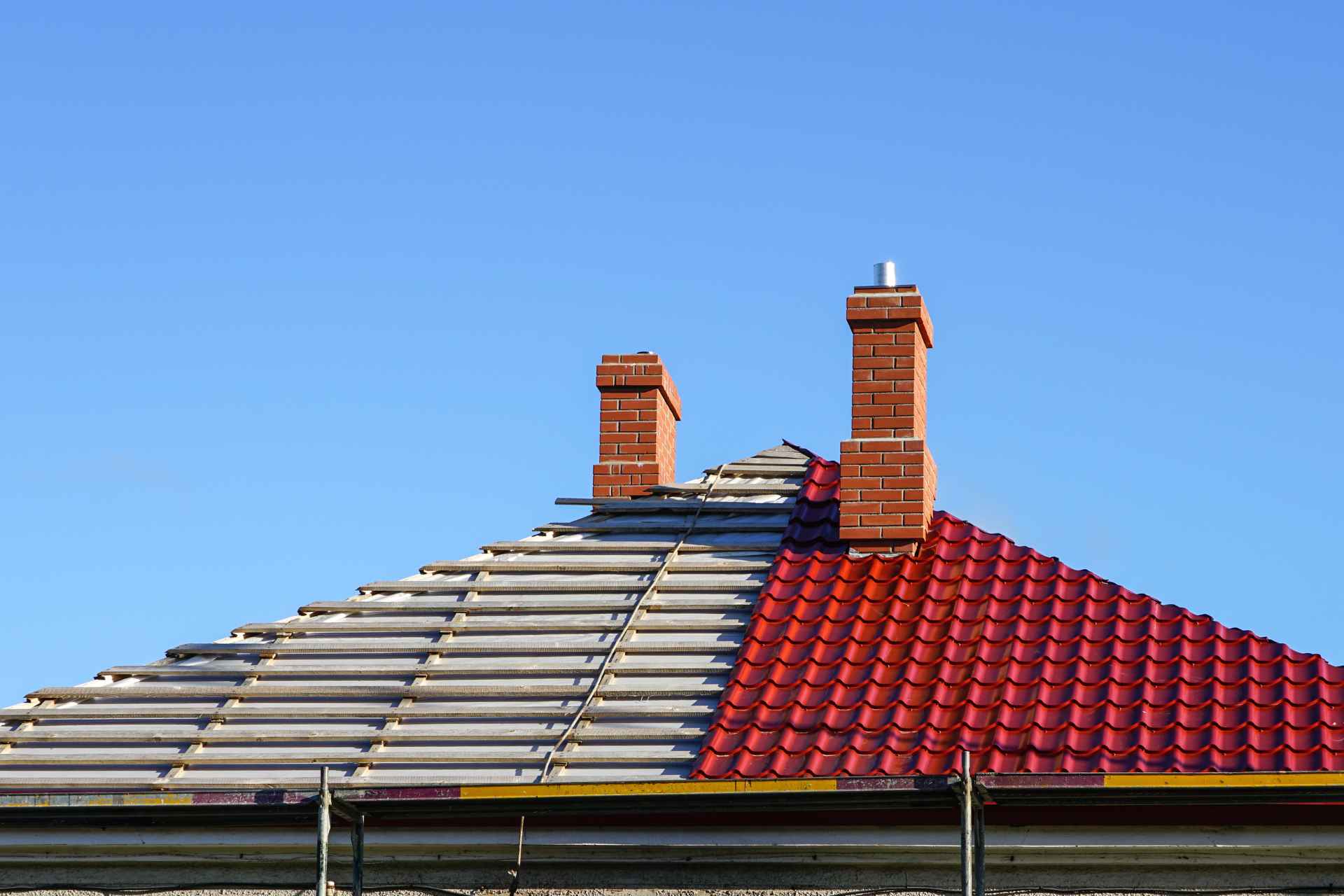
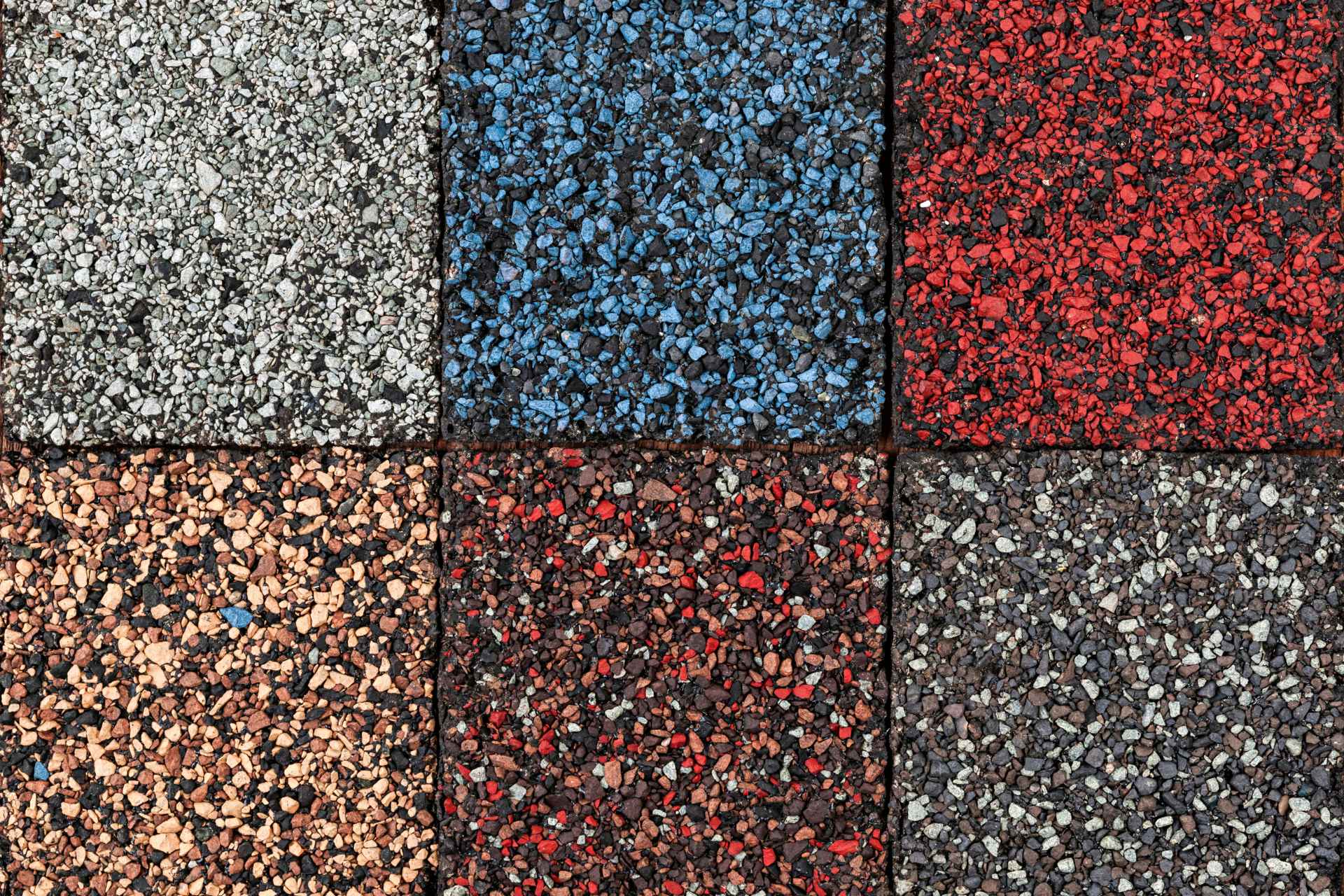
- e) Damaged shingles: Check your roof for any damaged, “balding,” or missing shingles. Also, look for any cracks or holes in the roof valleys and around the chimney, as these are the most common points of failure for amateur installers.
2. Reduced Energy Efficiency
Many homeowners don’t realize that the roof is a thermal “envelope.” If your roof is not installed properly, it can lead to significant air leaks, which drastically reduce your home’s energy efficiency. When shingles are improperly sealed or, more importantly, when attic ventilation is ignored, your roof cannot “breathe.”
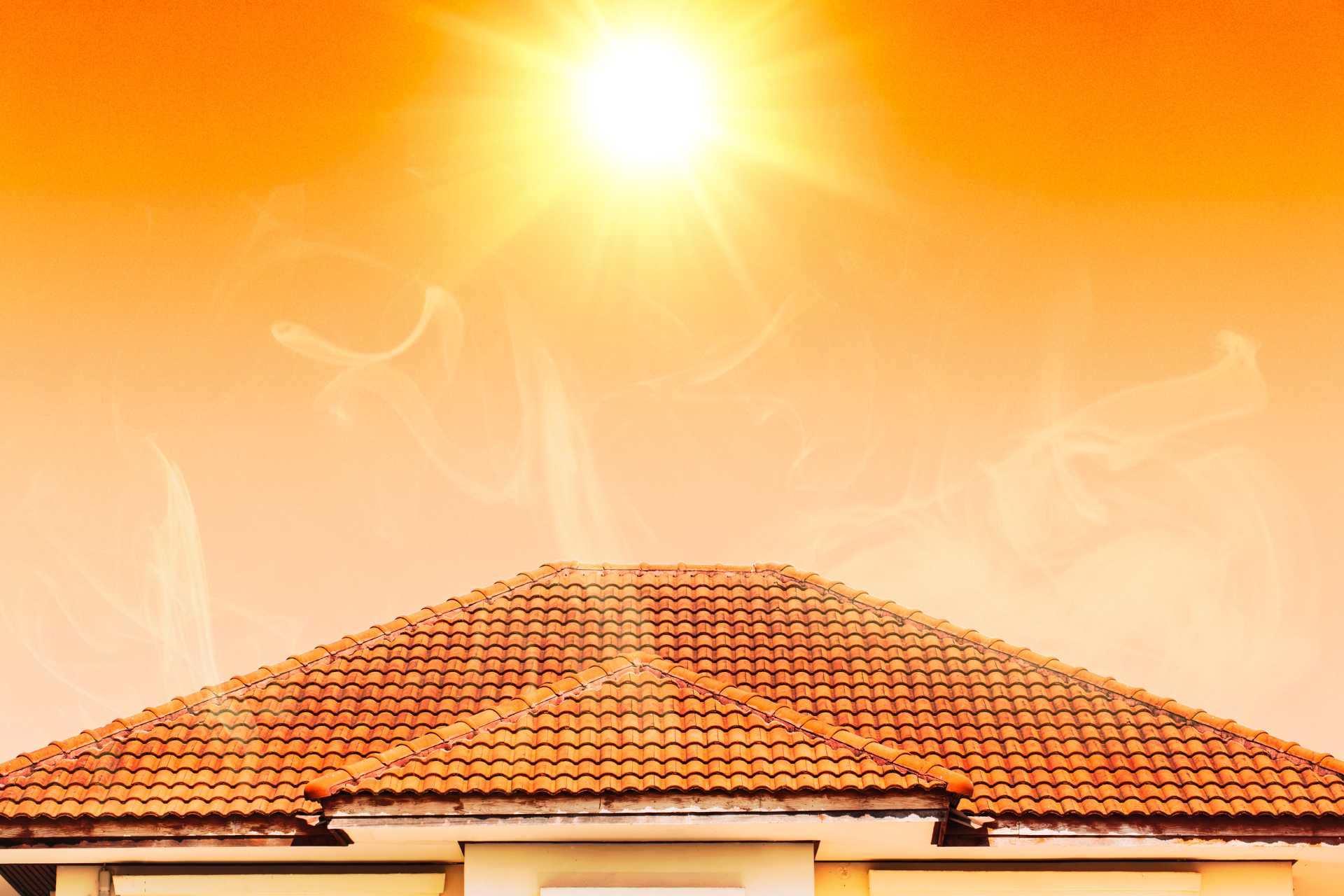
In the summer, a poorly ventilated roof traps heat, turning your attic into an oven that radiates heat downward into your living space. In the winter, heat escapes through the roof, leading to the formation of ice dams. This results in much higher energy bills and an uncomfortable living environment as your HVAC system struggles to regulate the temperature. Much like the link between basement waterproofing and HVAC efficiency, a high-quality roof ensures your climate control system doesn’t have to work double-time to compensate for poor insulation.
3. Safety Hazards
A poorly installed roof can also pose immediate safety hazards to your family. For instance, a roof that is not secured properly or one that has been installed over old, rotting plywood can collapse under the weight of heavy snow or high winds, posing a direct danger to anyone in or around your home.
Beyond structural collapse, improper installation can lead to fire hazards. If roofing materials or debris interfere with chimney flues or attic electrical wiring, the risk of a house fire increases. Furthermore, poor drainage can cause water to pool on walkways below, creating dangerous slipping hazards during the cold Hamilton winters when that water turns to black ice.
4. Voided Manufacturer Warranties
Most roofing manufacturers, such as GAF or Owens Corning, have robust warranties that cover their products for twenty to fifty years. However, these warranties are almost always conditional upon “certified installation.” If the roof is installed improperly—such as using the wrong type of nails, the incorrect number of fasteners per shingle, or failing to install a required starter strip—the warranty may be voided instantly.
This leaves you with no protection in case the materials fail prematurely. If the shingles begin to curl or delaminate after only five years due to a factory defect, the manufacturer will deny your claim because the installation didn’t meet their specific technical standards. You are then forced to pay for a second replacement entirely out of pocket.
5. Decreased Property Value and “Curbside Red Flags”
A poorly installed roof can significantly decrease the market value of your property. In a competitive real estate market, potential buyers hire home inspectors who are trained to spot “amateur” roofing jobs. If they see wavy shingle lines, exposed nail heads, or improper flashing around vents, they will see it as a massive red flag.
Buyers will often factor in the full cost of a total roof replacement when making an offer, or they may walk away from the deal entirely. A “new” roof that was done poorly is often viewed worse than an old roof that was well-maintained, as it suggests that the current homeowner may have cut corners on other essential home maintenance tasks like basement waterproofing or electrical work.
6. The Long-Term Costs of “Cheap” Labour
It is tempting to choose the lowest quote for a roofing project, but the “savings” are usually an illusion. A low-cost contractor often saves money by skipping the removal of old shingles (layering), using low-grade underlayment, or hiring untrained day labour.
When you account for the cost of repairing internal water damage, replacing mouldy drywall, and the eventual need to redo the roof correctly, the “cheap” job ends up costing two to three times more than doing it right the first time. Quality roofing is a capital investment that pays dividends in lower insurance premiums and reduced repair costs over the lifespan of the home.
Protecting Your Home From the Top Down
The quality and longevity of your roof depend entirely on the expertise of the hands that install it. Your roof is a complex system of ventilation, shedding, and insulation—not just a collection of shingles. Cutting corners on labour might save money in the immediate short term, but the long-term risks of structural decay, voided warranties, and lost energy efficiency far outweigh those initial savings.
It’s important to hire a reputable roofing contractor with a good track record to minimize the risks associated with a bad roofing job. A professional team will ensure that every nail is placed correctly and every vent is cleared for maximum airflow.
If you’re in the Hamilton area and considering roof services, it’s advisable to consult with the roofing company in Hamilton. Renowned for their thorough and proficient service, they consistently ensure that each project meets high standards of quality and durability. By choosing experts who understand the local climate, heavy snow loads, and specific building codes of the region, you ensure your home remains a safe, dry, and valuable asset for decades to come. Don’t leave your home’s primary defence to chance—invest in craftsmanship that lasts.