When it comes to protecting your home, the roof is undoubtedly your most important asset. Shingle roofs and metal roofs both have their own unique set of benefits and drawbacks, making the choice between them a matter of personal preference and individual needs. Whether you are looking for immediate affordability or long-term resilience, understanding the structural differences between these two popular materials is essential for any homeowner.
The Versatility of Shingle Roofing
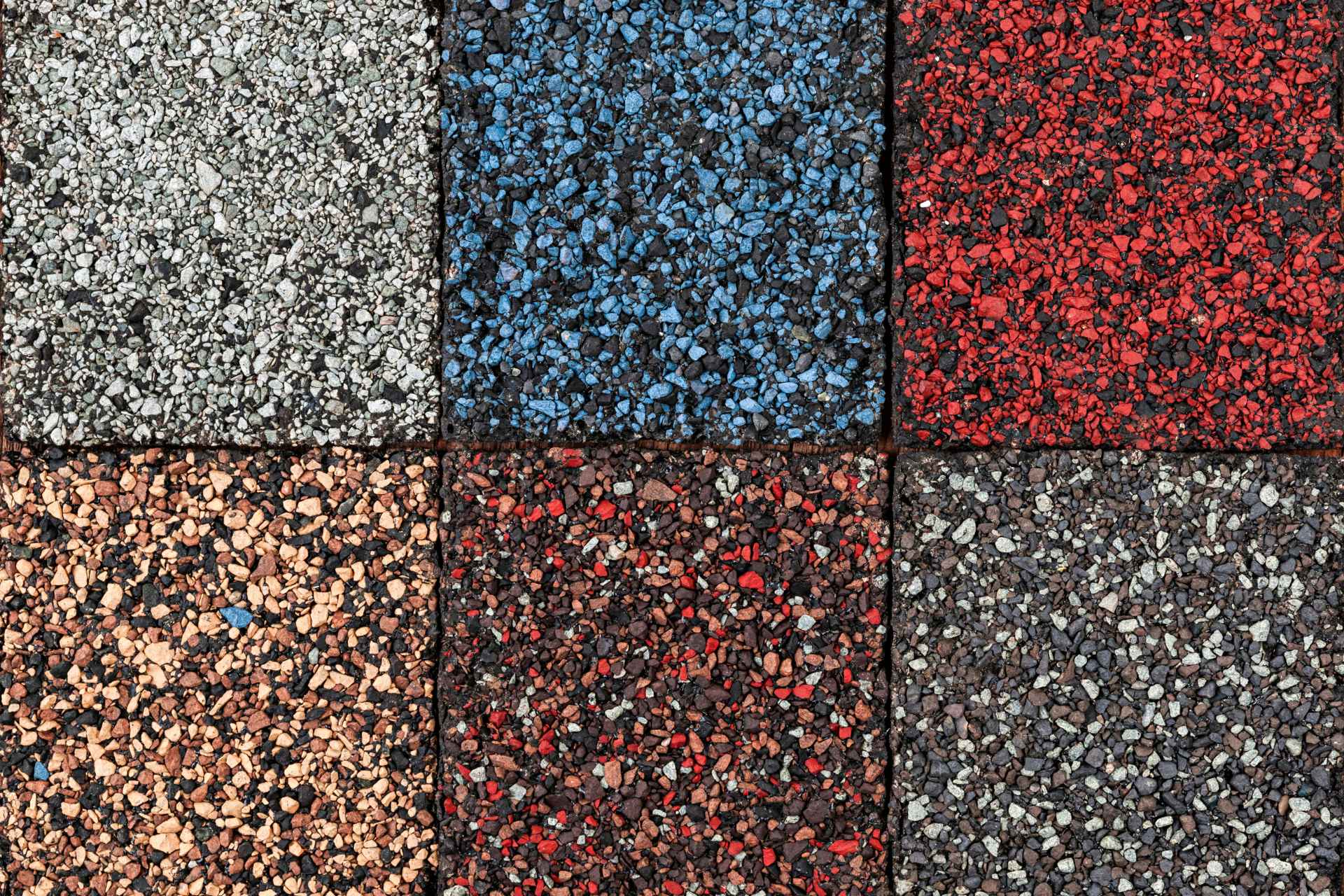
Shingle roofs are made from asphalt, wood, or fibreglass and are relatively inexpensive compared to metal roofs. They offer a traditional look for homes and come in a wide range of colours and styles, allowing them to complement almost any architectural design. Shingles are also relatively easy to install and can be repaired relatively easily if damaged. Because they are installed in individual pieces, a small area of damage from a fallen limb or high winds doesn’t necessarily require a total overhaul.
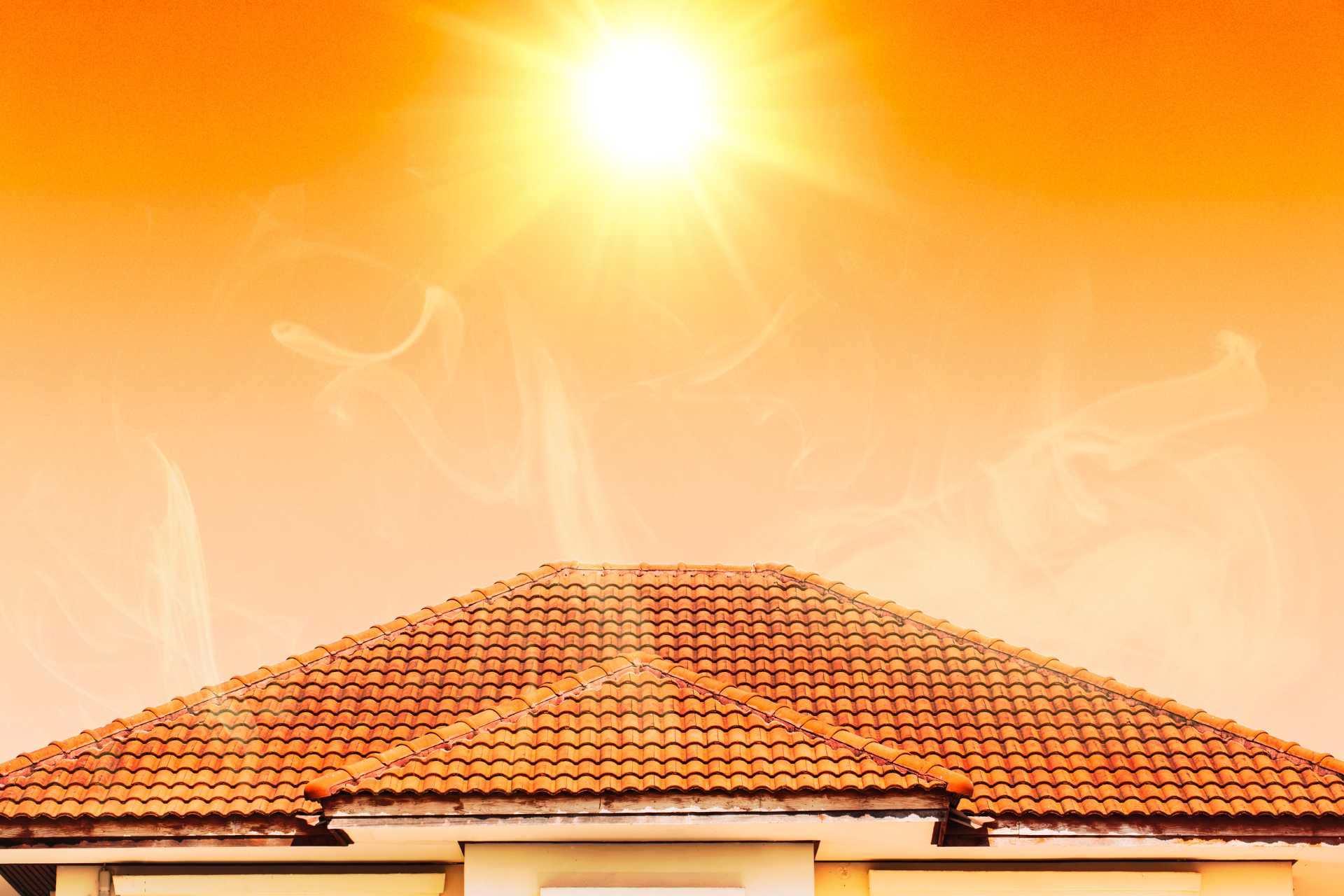
Additionally, shingles are fire-resistant, and the asphalt used in the manufacturing process helps to reflect heat and improve energy efficiency. Beyond their base materials, many modern shingles are now engineered with “cool roof” technology—specialized granules that reflect even more solar radiation than traditional versions. This helps keep your attic cooler during the peak of summer, directly supporting your HVAC system’s efficiency.
The Durability and Longevity of Metal
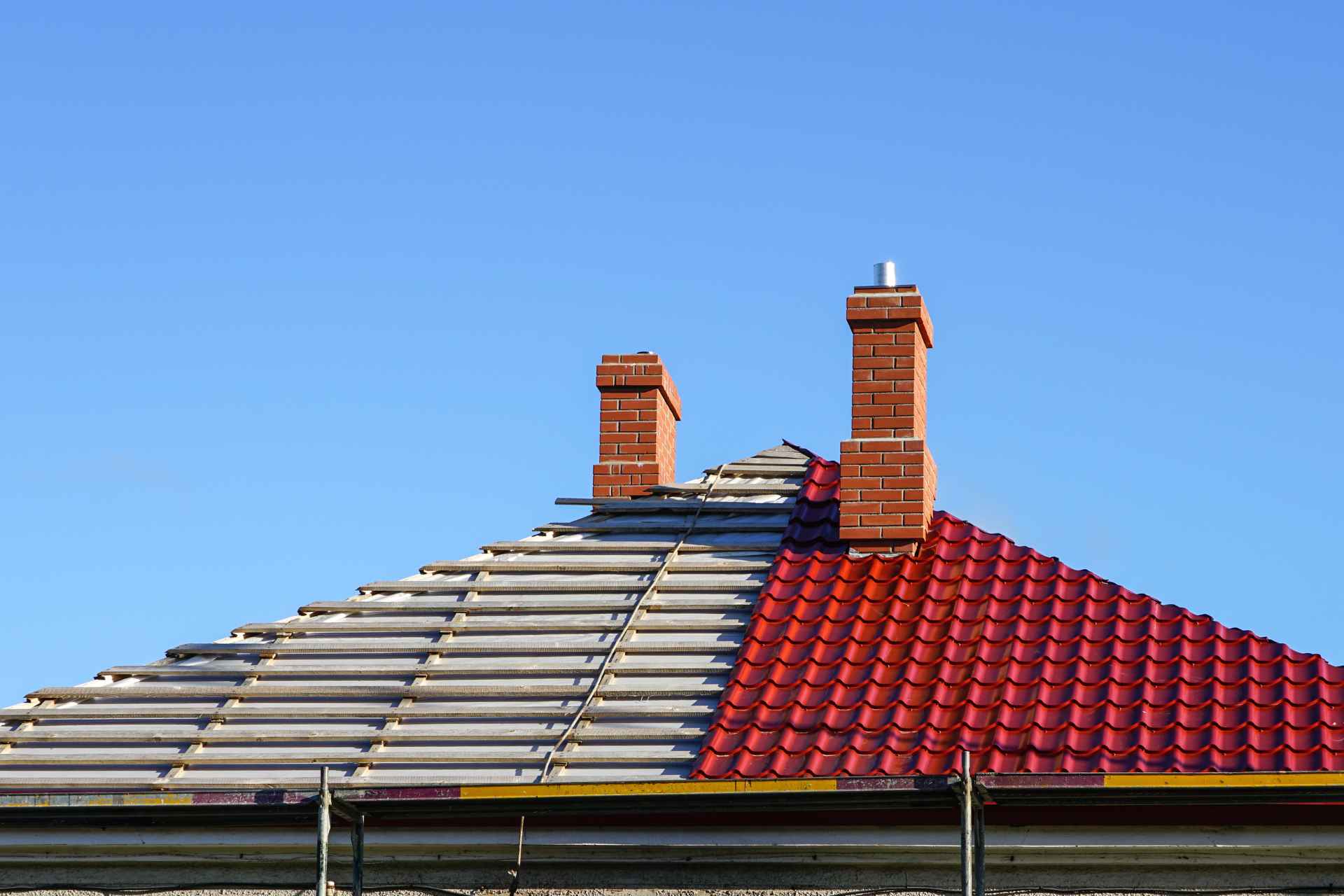
Metal roofs, on the other hand, are typically made from steel, aluminum, or copper. They are known for their longevity, with some metal roofs lasting up to 50 years or more with proper maintenance. This makes them a “once-in-a-lifetime” investment for many, as they effectively outlast two or even three shingle roof lifecycles. They are also highly resistant to fire, wind, and hail damage, making them a preferred choice in regions with volatile weather patterns.
They are also energy-efficient, reflecting heat in the summer and retaining heat in the winter. Because metal surfaces have high solar reflectance, they don’t absorb heat the way dark asphalt does. They are also relatively easy to install and maintain, and are 100% recyclable, making them the superior choice for the environmentally conscious homeowner.
Structural Weight and Safety
Leak Resistance and Moisture Control
Metal roofs are also less likely to suffer from leaks and are much easier to repair if damaged. Unlike shingle roofs, which can take on water and become damaged in heavy rain if the underlayment is aged, metal roofs are highly resistant to water damage. The interlocking panels and specialized standing seams create a nearly impenetrable barrier against wind-driven rain.
Where shingles rely on thousands of individual seals that can lift or curl over time, metal panels provide a continuous shield. This reduces the risk of “hidden” leaks that often go unnoticed in shingle roofs until they have already caused significant internal wood rot or mold growth in the attic.
Acoustic Performance and Comfort
Financial Value and Resale Potential
In terms of cost, shingle roofs are generally cheaper than metal roofs in the short term. This makes them the go-to option for homeowners looking for a lower upfront cost for their roof replacement project. However, a metal roof typically lasts much longer than a shingle roof, so you won’t have to replace it as often. This long-term perspective is vital: while you pay more today, you save tens of thousands of dollars over the next forty years by avoiding the cycle of roof replacements.
Additionally, a metal roof can increase the resale value of your home, as it is often seen as a well-maintained property. Buyers are often willing to pay a premium for a home that won’t require a new roof for several decades, giving you a competitive edge when it comes time to put your property on the market.
Environmental Impact and Sustainability
As sustainability becomes a priority for more households, the environmental footprint of roofing materials cannot be ignored. Asphalt shingles are petroleum-based and contribute millions of tons of waste to landfills every year. Conversely, metal roofing is often made from a high percentage of recycled content and is fully recyclable at the end of its life. This makes metal the clear winner for those looking to minimize their carbon footprint while simultaneously lowering their monthly energy consumption through better thermal reflection.
Making the Final Choice
The choice between a shingle roof and a metal roof comes down to individual needs and preferences. If you’re looking for a traditional look and a lower upfront cost for your roof replacement project, a shingle roof may be the right choice for you. Its ease of repair and aesthetic flexibility make it a reliable standard for millions of homeowners.
But if you want a roof that is energy-efficient, long-lasting, and easy to maintain, a metal roof may be the better choice. Its superior resistance to the elements and its ability to increase the overall value of your estate make it a formidable option for long-term home protection. By weighing these pros and cons against your specific budget and climate, you can ensure your home remains safe and dry for many years to come.